How to Grow Laburnum in the United States: An Intelligent Growth Guide
Laburnum, also known as the “golden chain tree,” is a stunning ornamental plant that can bring a touch of vibrant beauty to any garden. Native to the mountainous regions of southern Europe, this deciduous tree has found a home in many parts of the United States, captivating gardeners and nature enthusiasts alike. In this comprehensive guide, we’ll delve into the secrets of successfully growing and maintaining laburnum in the diverse landscapes of the United States.
Understanding the Laburnum Plant
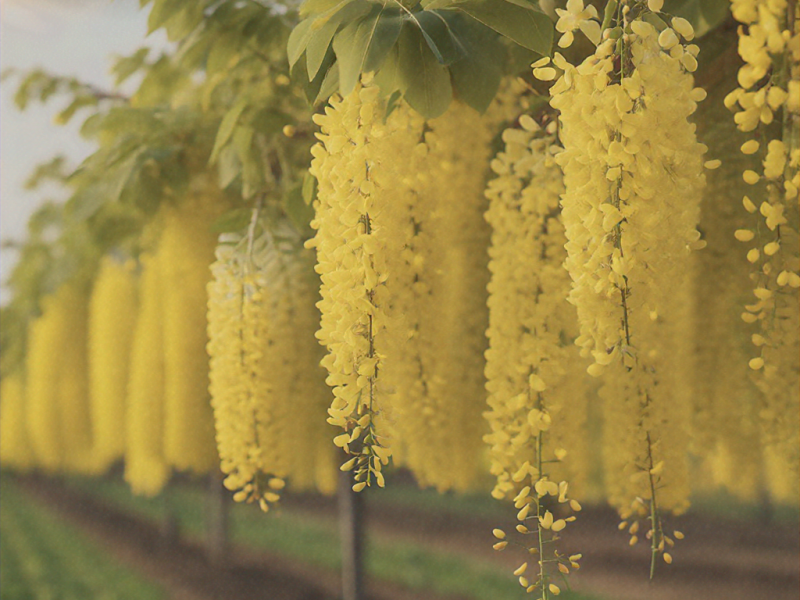
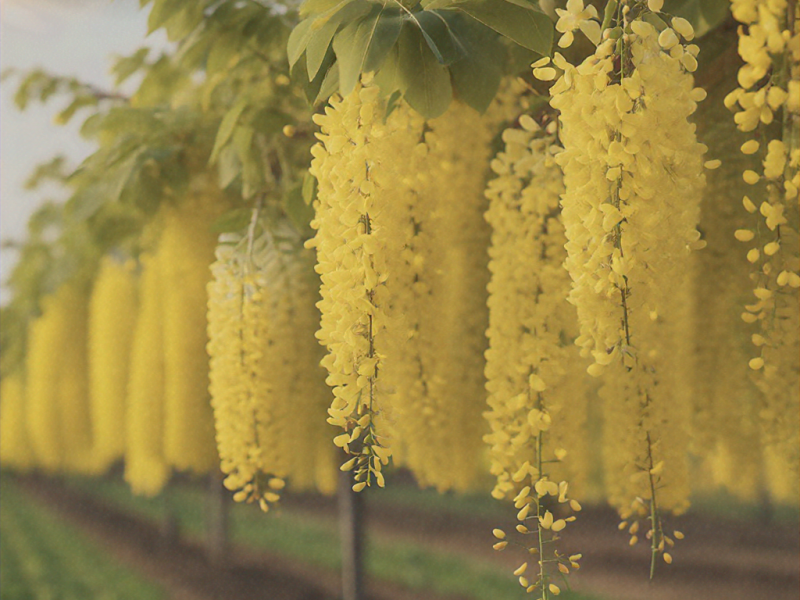
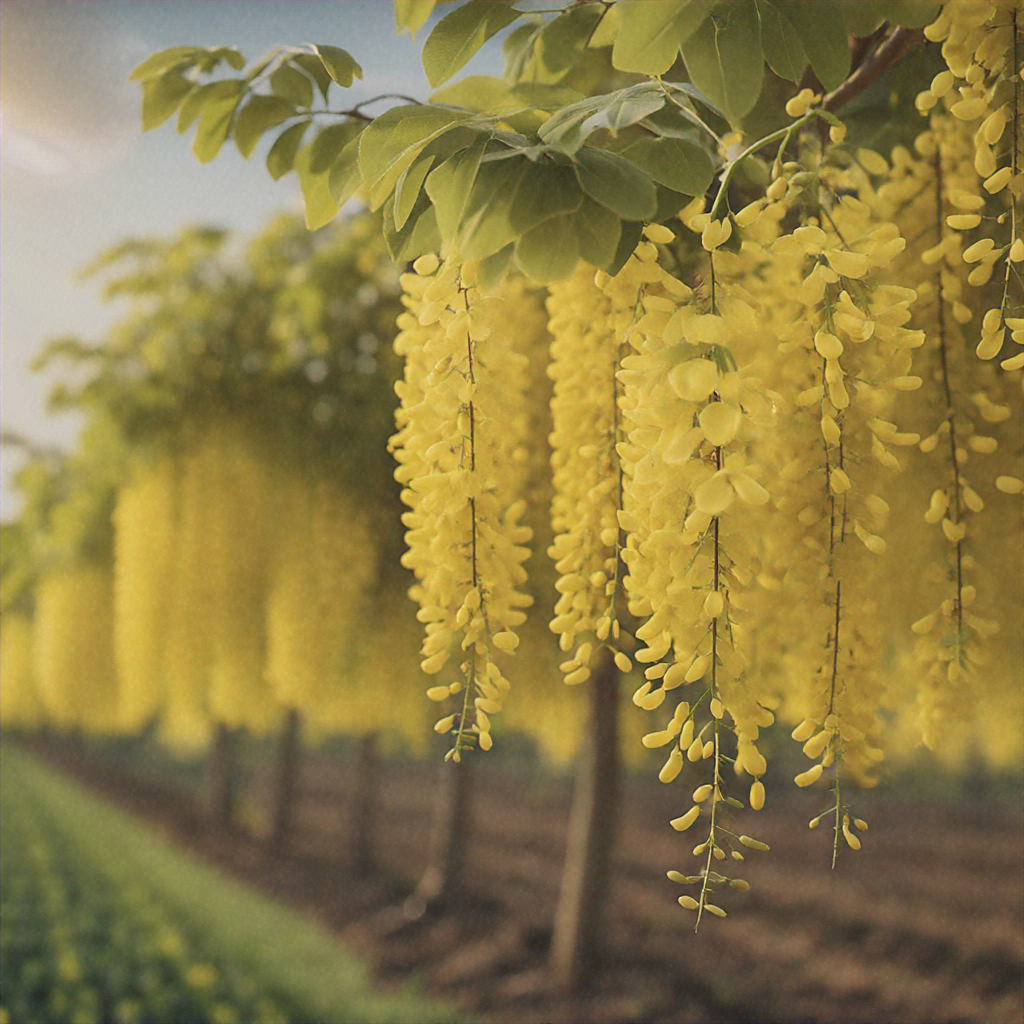
Laburnum is a genus of small trees or large shrubs that belong to the pea family, Fabaceae. The most commonly grown species in the United States is the Laburnum anagyroides, also known as the common laburnum or golden chain tree. This tree can reach a height of 20-30 feet (6-9 meters) and boasts a graceful, spreading habit with pendulous clusters of yellow flowers that resemble golden chains, hence the common name.
One of the key features that sets laburnum apart is its striking floral display. In the spring, the tree becomes a cascading waterfall of blooms, creating a stunning visual spectacle that attracts both human and wildlife admirers. The flowers are not only beautiful but also fragrant, adding to the overall enchantment of the plant.
Selecting the Right Site
Choosing the right location is crucial for the successful growth of laburnum in the United States. Here are some essential factors to consider:
- Climate: Laburnum thrives in temperate climates with cool summers and mild winters. It can tolerate a range of USDA hardiness zones, from 5 to 8, making it suitable for many regions across the country.
- Soil Conditions: Laburnum prefers well-drained, slightly acidic soil with a pH range of 5.5 to 7.0. It can adapt to a variety of soil types, including clay, loam, and sandy soils, as long as they are not waterlogged.
- Sun Exposure: Laburnum performs best in full sun, requiring at least 6 hours of direct sunlight per day. Partial shade can be tolerated, but the floral display may be reduced.
- Spacing: When planting, allow for ample space, as laburnum trees can grow quite large. A minimum of 20 feet (6 meters) between trees is recommended to prevent overcrowding and ensure proper air circulation.
Planting and Establishing Laburnum
The optimal time to plant laburnum in the United States is during the fall or early spring, when the soil is moist and temperatures are mild. This allows the tree to establish a strong root system before the harsh summer or winter weather sets in.
When planting, dig a hole that is twice the width of the root ball and the same depth. Carefully remove the tree from its container or burlap, and place it in the hole, making sure the top of the root ball is level with the surrounding soil. Backfill the hole with the original soil, gently tamping it down to eliminate air pockets. Water the tree thoroughly to help the soil settle and provide the necessary moisture for root establishment.
After planting, it’s important to apply a layer of organic mulch around the base of the tree, extending out to the drip line. This helps retain moisture, suppress weeds, and insulate the roots from temperature fluctuations.
Caring for Laburnum
Proper care and maintenance are essential for the long-term health and vigor of your laburnum tree. Here are some key considerations:
Watering
Laburnum requires consistent moisture, especially during the first few years after planting. Water the tree deeply, ensuring that the soil is moist but not waterlogged. During periods of drought or heat, increase the frequency of watering to prevent the leaves from wilting or the tree from becoming stressed.
Fertilizing
To promote healthy growth and vibrant blooms, fertilize laburnum in early spring with a balanced, slow-release fertilizer. Avoid over-fertilizing, as this can lead to excessive foliage growth at the expense of flowering.
Pruning
Laburnum trees generally require minimal pruning, but it’s essential to remove any dead, damaged, or crossing branches to maintain a well-shaped, open canopy. Prune in late winter or early spring before new growth emerges. Avoid pruning during the summer months, as this can stress the tree.
Winter Protection
In regions with harsh winters, it’s crucial to protect young laburnum trees from frost damage. Wrap the trunk and lower branches with burlap or tree wrap to insulate them from the cold. Additionally, apply a layer of mulch around the base of the tree to insulate the roots.
Addressing Common Pests and Diseases
Laburnum is generally a hardy tree, but like any plant, it can be susceptible to certain pests and diseases. Being aware of these issues and taking proactive measures can help keep your laburnum healthy and thriving.
Pests
Some common pests that may affect laburnum include aphids, scale insects, and caterpillars. These can be managed through the use of horticultural oils, insecticidal soaps, or targeted biological controls. Regularly inspecting the tree and addressing any infestations promptly is crucial.
Diseases
Laburnum can be susceptible to fungal diseases such as powdery mildew, leaf scorch, and canker. Maintaining good air circulation around the tree, avoiding over-watering, and promptly removing any affected parts can help mitigate these issues. In severe cases, the use of fungicides may be necessary.
Propagating Laburnum
If you’re interested in propagating your own laburnum trees, there are a few techniques you can employ:
Seed Propagation
Laburnum seeds can be collected in the fall, after the seed pods have dried and opened. Sow the seeds in a well-drained seed-starting mix, and keep them consistently moist until they germinate, which can take several weeks. Once the seedlings have developed true leaves, transplant them into individual containers and gradually acclimate them to outdoor conditions before planting in the desired location.
Stem Cuttings
Laburnum can also be propagated through stem cuttings. Take softwood or semi-hardwood cuttings in the spring or summer, and dip the cut ends in a rooting hormone before planting them in a well-draining potting mix. Keep the cuttings moist and in a shaded area until they have developed a robust root system, which can take several weeks.
Cultivars and Varieties
While the common laburnum (Laburnum anagyroides) is the most widely grown species, there are several other cultivars and varieties that gardeners may find interesting:
- Laburnum ‘Vossii’: A hybrid variety known for its exceptionally long, pendulous flower clusters that can reach up to 2 feet (0.6 meters) in length.
- Laburnum ‘Watereri’: This cultivar features a more upright, tree-like growth habit and slightly larger flower clusters than the common laburnum.
- Laburnum ‘Pendulum’: As the name suggests, this weeping variety has a graceful, cascading form that makes it a stunning focal point in the garden.
Conclusion
Laburnum is a captivating ornamental tree that can add a touch of golden beauty to any garden in the United States. By understanding its growing requirements, providing proper care, and addressing potential pests and diseases, gardeners can cultivate a thriving laburnum that will delight them and their communities for years to come. Whether you choose the classic common laburnum or explore the unique cultivars, this species is sure to become a cherished addition to your landscape.