Growing Laburnum – Intelligent Growth Guide for North America: Complete Guide & Best Practices
In the realm of horticulture, few plants capture the essence of natural beauty and grace as elegantly as the Laburnum. Native to the mountainous regions of Europe, this deciduous tree has found a home in the diverse landscapes of North America, captivating gardeners and nature enthusiasts alike. Whether you’re a seasoned green thumb or a budding plant enthusiast, this comprehensive guide will equip you with the knowledge and techniques to successfully cultivate and nurture Laburnum in your own backyard.
Understanding the Laburnum
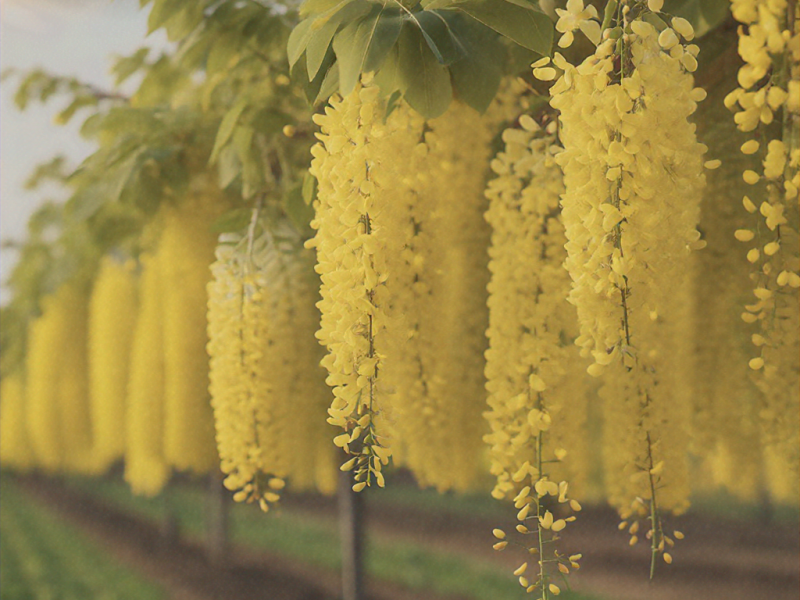
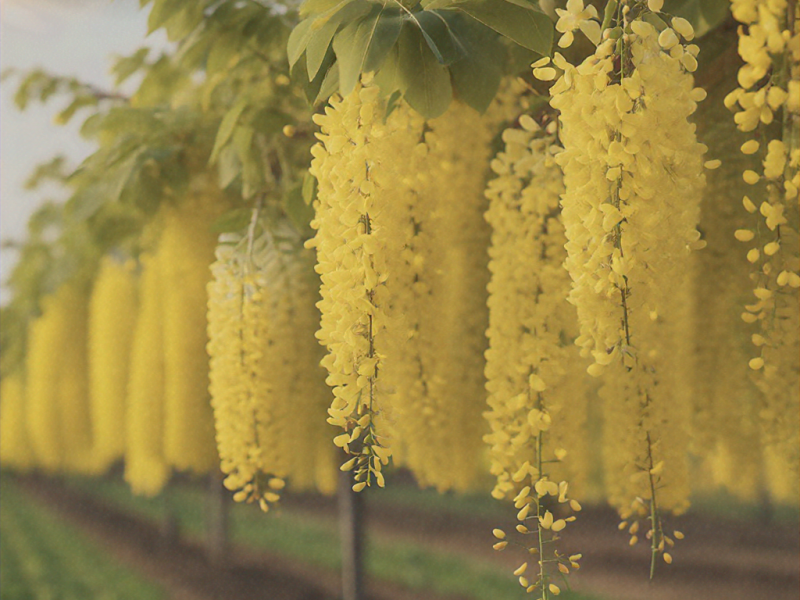
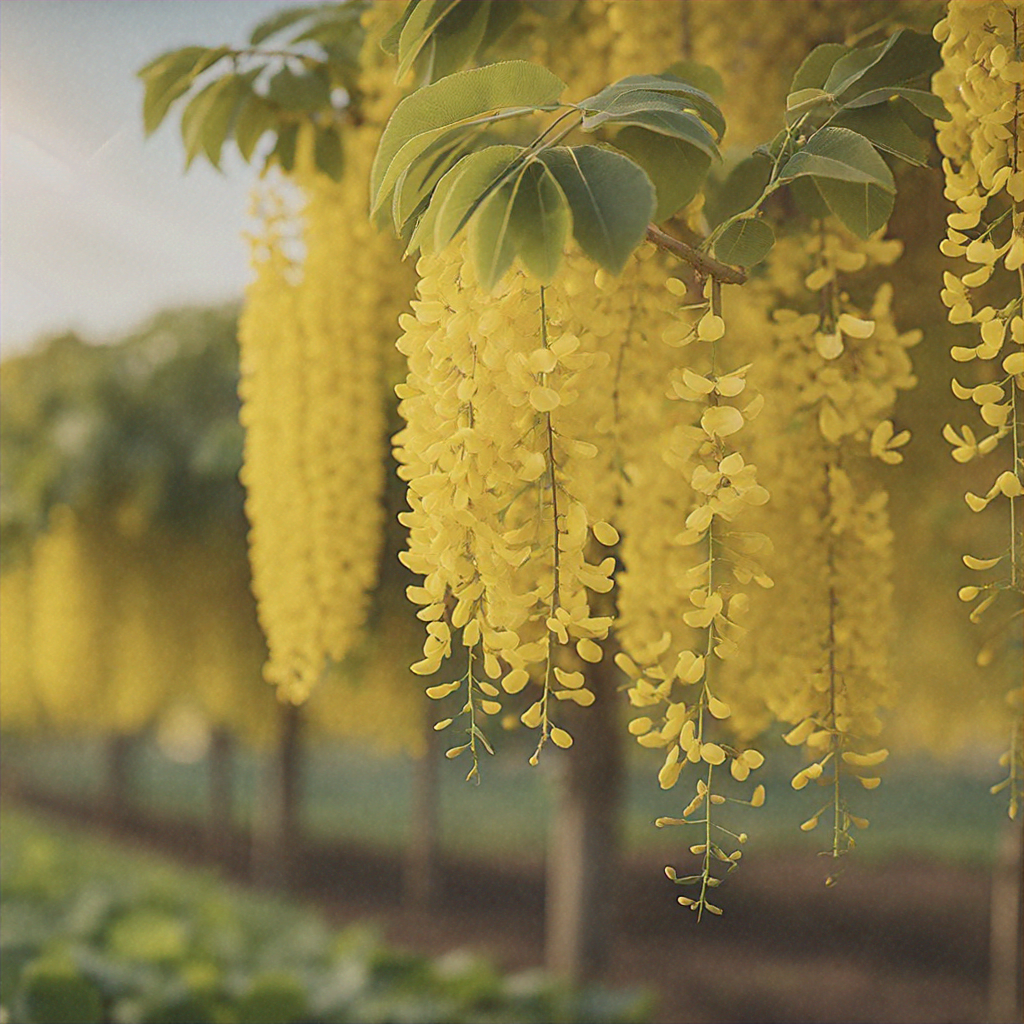
Laburnum, also known as the “Golden Chain Tree,” is a genus of small trees or shrubs that belong to the legume family, Fabaceae. These enchanting plants are renowned for their cascading clusters of vibrant yellow flowers that resemble delicate chains, creating a stunning visual display during the spring and early summer months.
In North America, the most commonly grown species are the Laburnum anagyroides (Common Laburnum) and Laburnum × watereri (Waterer’s Laburnum), both of which thrive in temperate climates and provide a captivating addition to gardens, parks, and landscaping projects.
Site Selection and Soil Preparation
Choosing the right location for your Laburnum is crucial to its success. These plants prefer well-drained, fertile soils that are neutral to slightly acidic, with a pH range between 6.0 and 7.0. Avoid areas with heavy clay or waterlogged soil, as Laburnum is susceptible to root rot and other moisture-related issues.
Before planting, prepare the soil by incorporating organic matter, such as compost or well-rotted manure, to improve drainage and nutrient content. This will create the optimal growing conditions for your Laburnum to thrive.
Planting and Establishing Laburnum
The best time to plant Laburnum is in the spring or early fall, when the soil is moist and temperatures are mild. When selecting a nursery-grown specimen, choose a plant with a well-developed root system and healthy, vibrant foliage.
Dig a planting hole that is twice the width of the root ball and only slightly deeper. Carefully place the plant in the hole, ensuring that the top of the root ball is level with the surrounding soil. Backfill the hole with the original soil, gently firming it around the roots to remove any air pockets.
Water the plant thoroughly after planting, and continue to water regularly during the first year to establish a deep, extensive root system. Mulch the planting area with a 2-3 inch layer of organic material, such as wood chips or shredded bark, to retain moisture and suppress weed growth.
Caring for Laburnum: Watering, Fertilizing, and Pruning
Proper care and maintenance are essential for the long-term health and vigor of your Laburnum. Follow these best practices to ensure your tree or shrub reaches its full potential:
- Watering: During the first year, water Laburnum regularly, keeping the soil consistently moist but not waterlogged. Once established, the plant will be more drought-tolerant, but it’s still essential to provide supplemental water during periods of prolonged drought or dry spells.
- Fertilizing: Apply a balanced, slow-release fertilizer in early spring, following the manufacturer’s instructions. Avoid excessive nitrogen, as this can lead to excessive foliage growth at the expense of flower production.
- Pruning: Laburnum requires regular pruning to maintain its shape and encourage optimal flowering. Remove any dead, damaged, or crossing branches in late winter or early spring before new growth emerges. Prune to maintain the desired form and remove any suckers or water sprouts that may arise from the base of the plant.
Combating Pests and Diseases
While Laburnum is generally a hardy and resilient plant, it can be susceptible to a few common pests and diseases. Staying vigilant and proactive in monitoring and addressing any issues can help ensure the long-term health and vitality of your Laburnum specimens.
- Pests: Aphids, scale insects, and caterpillars are the primary pest threats to Laburnum. Monitor for signs of infestation, such as leaf discoloration or distortion, and treat with appropriate organic or chemical insecticides as needed.
- Diseases: Fungal diseases, such as powdery mildew and leaf scorch, can occasionally affect Laburnum. Ensure proper air circulation, avoid overhead watering, and consider applying fungicides if the problem persists.
Propagating Laburnum
If you’re interested in expanding your Laburnum collection or sharing your green-fingered expertise with others, propagation is a rewarding and cost-effective option. Laburnum can be propagated through several methods, including seed sowing, stem cuttings, and layering.
- Seed Sowing: Collect the seed pods in the fall, allow them to dry, and then sow the seeds in a well-draining seed-starting mix. Germination can take several weeks to months, so be patient and provide consistent moisture and warmth.
- Stem Cuttings: Take softwood or semi-hardwood cuttings in the spring or summer and root them in a well-draining potting mix. Ensure the cuttings receive adequate moisture and humidity until they develop a strong root system.
- Layering: Bend a low-growing branch to the ground, secure it in place with a wire or stone, and cover the node with soil. The branch will develop roots, allowing you to separate it from the parent plant and establish a new Laburnum specimen.
Laburnum in the Landscape
Laburnum is a versatile plant that can be incorporated into a variety of landscape designs, from formal gardens to naturalized woodland settings. Consider the following ways to showcase the beauty of this captivating tree or shrub:
- Specimen Plant: Allow a single Laburnum to take center stage as a focal point in a garden or landscape, showcasing its graceful form and stunning flower displays.
- Hedging and Screening: Plant Laburnum in a row to create a dense, flowering hedge or screen that provides both visual interest and privacy.
- Mixed Borders: Combine Laburnum with other flowering plants, shrubs, and trees to create a harmonious and visually appealing mixed border or garden bed.
- Naturalized Settings: Laburnum’s tolerance for partial shade makes it well-suited for planting in woodland gardens or along the edges of forests, where its golden blooms can naturalize and blend seamlessly with the surrounding environment.
Cultivars and Varieties
While the two main species of Laburnum (L. anagyroides and L. × watereri) are the most commonly grown in North America, there are several cultivars and varieties that offer unique features and characteristics:
- Laburnum anagyroides ‘Pendulum’: A weeping form of the common Laburnum, with cascading branches that create a stunning, fountain-like effect.
- Laburnum × watereri ‘Vossii’: A hybrid cultivar known for its exceptionally long, pendulous flower clusters that can reach up to 2 feet in length.
- Laburnum × watereri ‘Aureum’: A variety with golden-yellow foliage that provides eye-catching contrast to the plant’s vibrant yellow flowers.
Conclusion
Laburnum is a true gem in the world of horticulture, captivating gardeners and nature enthusiasts with its stunning floral displays and graceful, sculptural growth habit. By following the guidance outlined in this comprehensive guide, you can successfully cultivate and nurture Laburnum in your North American landscape, adding a touch of natural beauty and elegance to your outdoor spaces. Whether you’re a seasoned gardener or a novice plant lover, the rewarding experience of growing and caring for Laburnum is sure to leave a lasting impression.