Laburnum Cultivation in Asia: Intelligent Growth Guide – Varieties, Soil & Harvest
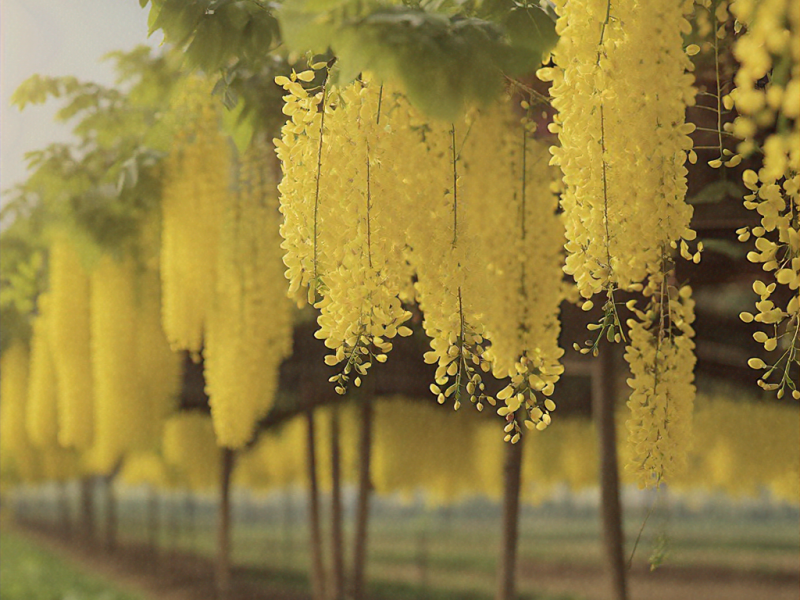
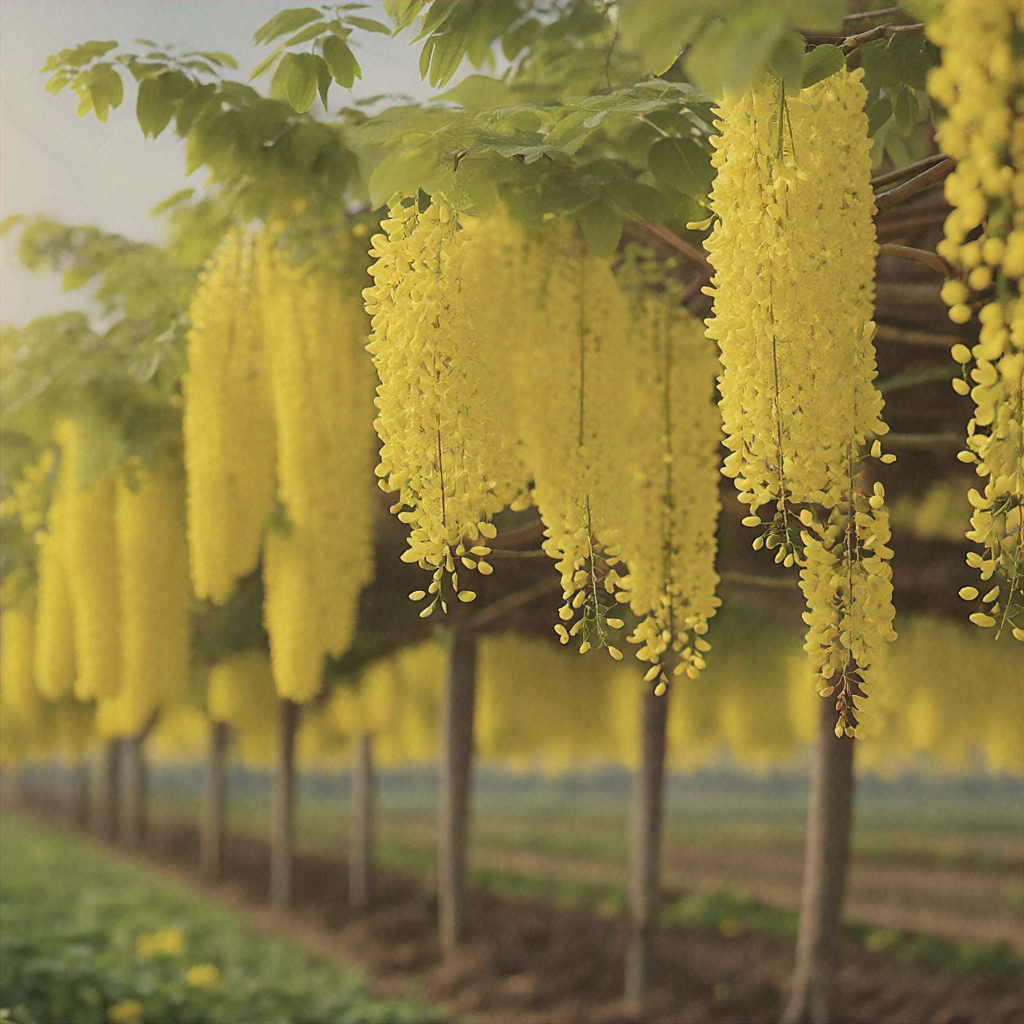
In the realm of ornamental horticulture, the Laburnum plant, also known as the “Golden Chain,” holds a unique and captivating place. This deciduous shrub or small tree, native to the mountainous regions of Europe and western Asia, has gained widespread popularity throughout the Asian continent for its stunning, cascading clusters of yellow flowers and its versatility in landscaping. As we delve into the nuances of Laburnum cultivation in Asia, we’ll explore the key considerations for successful growth, from selecting the right varieties to optimizing soil conditions and harvesting techniques.
Laburnum Varieties for Asian Climates
One of the critical factors in Laburnum cultivation is selecting the appropriate varieties that thrive in the diverse climates of Asia. While the genus Laburnum encompasses several species, the two most commonly grown in Asian gardens are:
- Laburnum anagyroides (Common Laburnum): This species is renowned for its showy, pendulous clusters of golden-yellow flowers that bloom in late spring to early summer. It thrives in temperate and subtropical regions, making it a popular choice for many parts of Asia.
- Laburnum x watereri (Waterer’s Laburnum): A naturally occurring hybrid between L. anagyroides and L. alpinum, Waterer’s Laburnum is prized for its longer flowering period and greater tolerance to colder climates. This variety is well-suited for the cooler regions of Asia, such as the Himalayan foothills.
When choosing Laburnum varieties for Asian gardens, it’s essential to consider the specific climate and growing conditions of the region, ensuring that the selected cultivars are well-adapted to the local environment.
Soil Requirements for Laburnum in Asia
Laburnum plants thrive in well-drained, moderately fertile soils with a slightly acidic to neutral pH range (5.5 to 7.0). Understanding the soil requirements is crucial for successful Laburnum cultivation in Asia, as the region’s diverse geological and climatic conditions can significantly impact the growth and development of these plants.
In general, Laburnum plants prefer a soil composition that is:
- Well-draining: Laburnum roots are susceptible to waterlogging, which can lead to root rot and other fungal diseases. Ensuring the soil has adequate drainage is paramount, especially in areas with high rainfall or poor soil drainage.
- Nutrient-rich: Laburnum plants require a steady supply of essential nutrients, such as nitrogen, phosphorus, and potassium, to support their growth and flowering. Incorporating organic matter, such as compost or well-rotted manure, can help improve soil fertility and structure.
- Slightly acidic to neutral: While Laburnum can tolerate a range of soil pH levels, they tend to perform best in slightly acidic to neutral soils, typically in the range of 5.5 to 7.0 pH. In regions with alkaline soils, amending the soil with acidic materials, such as sulfur or peat moss, can help create the ideal growing conditions.
By understanding and addressing the specific soil requirements of Laburnum, gardeners and growers in Asia can ensure the optimal growth and development of these stunning ornamental plants.
Planting and Cultivation Practices for Laburnum in Asia
Establishing a thriving Laburnum plant in Asian gardens involves a series of thoughtful planting and cultivation practices. Here are some key considerations:
- Planting Time: The best time to plant Laburnum in Asia is typically in the late spring or early fall, when the soil is warm and moist, and the risk of frost is minimal. This allows the plant to establish a strong root system before the onset of harsh weather conditions.
- Site Selection: Laburnum plants prefer a location that receives full sun to partial shade, with protection from strong winds that can damage the delicate foliage and flowers. Choosing a spot with well-draining soil and good air circulation is crucial for their health and longevity.
- Planting Technique: When planting Laburnum, it’s essential to dig a hole that is twice the width of the rootball and slightly shallower. This allows the roots to spread out and establish themselves more easily. Backfill the hole with a mixture of the native soil and organic matter, such as compost or aged bark, to provide a nutrient-rich environment for the plant.
- Watering and Mulching: Newly planted Laburnum require consistent, regular watering to ensure the soil remains moist but not waterlogged. As the plant matures, watering can be reduced, but it’s important to monitor soil moisture, especially during hot or dry periods. Applying a 2-3 inch layer of organic mulch around the base of the plant can help retain soil moisture and suppress weed growth.
- Pruning and Maintenance: Laburnum plants benefit from regular pruning to maintain their shape, encourage flowering, and remove any dead or damaged branches. The best time for pruning is typically in late winter or early spring, before new growth emerges. Deadheading spent flower clusters can also prolong the blooming period and improve the overall appearance of the plant.
By following these planting and cultivation practices, gardeners and growers in Asia can create the optimal conditions for Laburnum to thrive and showcase their breathtaking floral displays.
Harvesting and Propagation of Laburnum in Asia
Laburnum plants offer more than just their stunning visual appeal; they can also be a source of valuable resources for gardeners and small-scale producers in Asia. The key aspects of Laburnum harvesting and propagation are:
- Flower Harvesting: The vibrant yellow flowers of Laburnum are not only a delight to the senses but also have various practical applications. The flowers can be harvested for use in floral arrangements, herbal teas, or even as a natural dye for textiles. To maintain the plant’s health and encourage continued blooming, it’s essential to harvest the flowers judiciously, avoiding over-picking.
- Seed Harvesting: Laburnum plants produce long, pendulous seed pods that contain small, hard seeds. These seeds can be collected and used for propagation, either through direct sowing or by germinating them in a controlled environment. Proper seed harvesting and storage techniques are crucial to ensure high germination rates.
- Propagation Methods: Laburnum can be propagated through several methods, including seed sowing, cuttings, and layering. Seed propagation is the most common approach, as it allows for the introduction of genetic diversity and the creation of new cultivars. However, gardeners and growers may also opt for vegetative propagation techniques, such as taking softwood or hardwood cuttings, to quickly multiply desirable plant varieties.
- Nursery Production: For those interested in Laburnum cultivation on a larger scale, establishing a nursery operation can be a viable option. Nurseries can propagate Laburnum plants from seed or cuttings, and then sell the established seedlings or young plants to gardeners, landscapers, and other interested parties throughout Asia.
By understanding the harvesting and propagation methods for Laburnum, Asian gardeners and small-scale producers can not only enjoy the beauty of these plants but also explore opportunities for sustainable income generation and the preservation of these valuable ornamental species.
Conclusion
Laburnum cultivation in Asia holds immense potential, both as a source of ornamental beauty and as a contributor to the diverse horticultural landscape. By selecting the right varieties, optimizing soil conditions, implementing thoughtful planting and cultivation practices, and exploring the possibilities of harvesting and propagation, gardeners and growers in Asia can unlock the full potential of these captivating plants. As we continue to appreciate the intricate relationship between plants and human well-being, the cultivation of Laburnum in Asia serves as a testament to the power of intelligent, sustainable horticulture.