
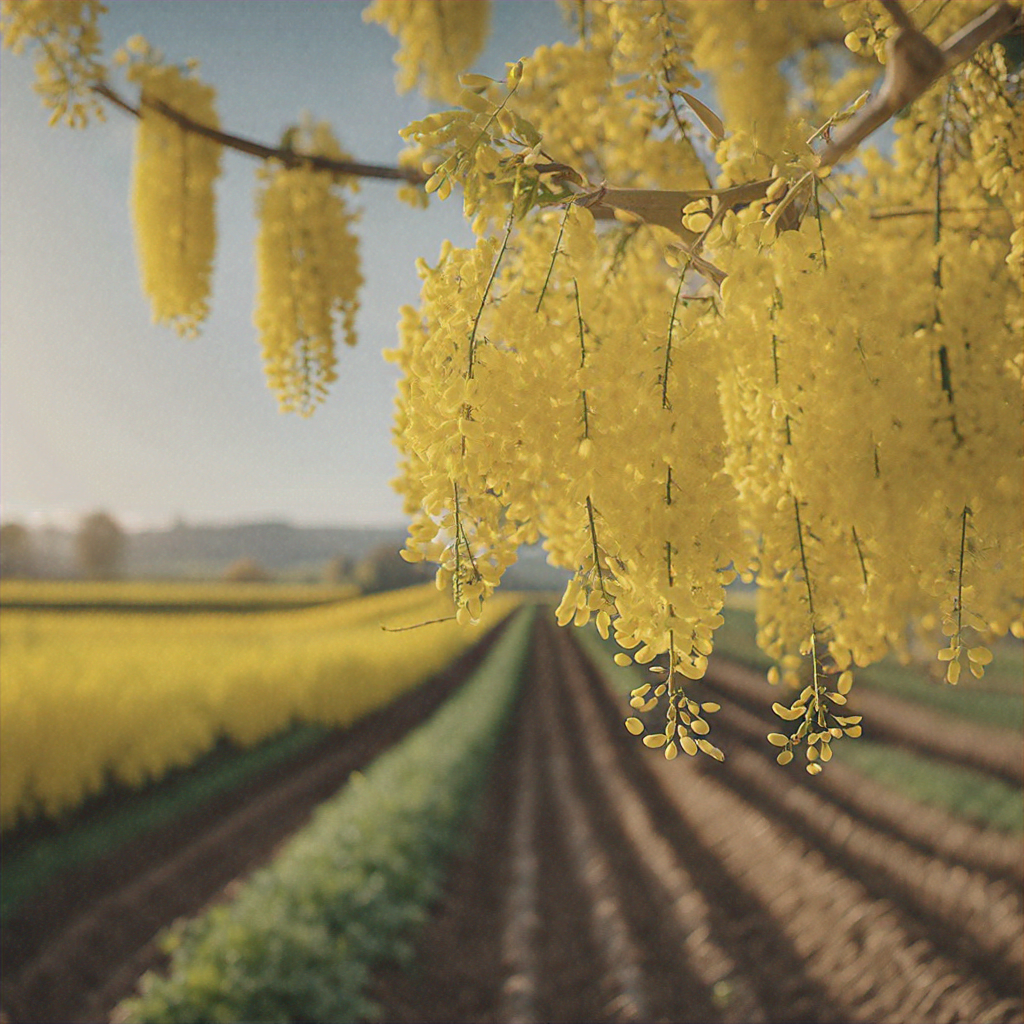
Laburnum Cultivation in Europe: Market & Profit Logic – Varieties, Soil & Harvest
In the realm of agriculture, where the pursuit of economic viability and environmental sustainability often intersect, the cultivation of Laburnum plants in Europe has emerged as a captivating case study. This versatile shrub, with its vibrant yellow blooms and unique ecological properties, has captured the attention of both horticulturists and market analysts alike. In this comprehensive blog post, we delve into the ins and outs of Laburnum cultivation, exploring the market dynamics, profit logic, and the essential considerations for successful cultivation across the European landscape.
Varieties of Laburnum: Exploring the Diversity
The Laburnum genus encompasses a diverse array of species, each with its own distinctive features and cultivation requirements. Among the most prominent varieties found in Europe are:
- Laburnum anagyroides: Also known as the common Laburnum or golden chain tree, this species is renowned for its striking clusters of yellow flowers and is a popular choice for ornamental landscaping.
- Laburnum alpinum: The Alpine Laburnum, native to the mountainous regions of Europe, is characterized by its compact growth habit and slightly smaller blooms, making it well-suited for smaller garden spaces.
- Laburnum × watereri: A hybrid of the previous two species, Laburnum × watereri, or Waterer’s Laburnum, combines the best attributes of its parent plants, offering a versatile option for gardeners and landscapers.
Each of these Laburnum varieties presents unique market opportunities, as they cater to the diverse preferences and requirements of European consumers and landscape designers.
Soil Preferences and Cultivation Considerations
The success of Laburnum cultivation is largely dependent on the suitability of the soil and the growing conditions. Laburnum plants thrive in well-drained, slightly acidic soils, with a pH range between 5.5 and 6.5. They prefer a sunny to partially shaded location, making them adaptable to a range of microclimates across Europe.
One of the key considerations in Laburnum cultivation is the plant’s sensitivity to waterlogging and heavy soils. Growers must ensure that the planting site offers adequate drainage to prevent root rot and other moisture-related issues. Additionally, Laburnum plants have a moderate tolerance for drought, making them a suitable choice for regions with variable rainfall patterns.
Proper soil preparation is crucial for the establishment and long-term health of Laburnum plants. Incorporating organic matter, such as compost or well-rotted manure, can improve soil structure and nutrient content, providing the ideal growing medium for these versatile shrubs.
Harvesting and Profit Potential
The economic viability of Laburnum cultivation lies in the diverse market opportunities presented by its various parts and products. While the primary focus has traditionally been on the ornamental value of the plant’s vibrant yellow blooms, there are several other revenue streams that growers can explore.
The Laburnum’s wood, known for its fine-grained texture and golden hue, is highly sought after by woodworkers and furniture makers. This niche market can provide a steady source of income for Laburnum growers who invest in sustainable harvesting practices and establish partnerships with local artisans and businesses.
Another lucrative aspect of Laburnum cultivation is the potential for the extraction and sale of the plant’s alkaloids, particularly cytisine, which has demonstrated therapeutic applications in the pharmaceutical industry. However, it is crucial to note that the handling and processing of these compounds require strict safety protocols and compliance with relevant regulations.
In addition to these specialized markets, the ornamental value of Laburnum plants, particularly their stunning floral displays, continues to drive demand in the European landscape and gardening sectors. Growers who can capitalize on this demand by providing high-quality, well-maintained plants can reap the benefits of a thriving ornamental horticulture market.
To maximize the profit potential of Laburnum cultivation, growers must carefully consider factors such as market trends, production costs, and the development of value-added products. By diversifying their revenue streams and staying attuned to evolving consumer preferences, Laburnum growers can position themselves for long-term sustainability and profitability.
Challenges and Best Practices in Laburnum Cultivation
While the cultivation of Laburnum plants presents numerous opportunities, it is not without its challenges. One of the primary concerns is the plant’s toxicity, as all parts of the Laburnum, including the leaves, flowers, and seeds, contain cytisine and other potentially harmful alkaloids. Growers must exercise extreme caution in handling and processing Laburnum plants, ensuring the safety of both workers and consumers.
Additionally, Laburnum plants can be susceptible to various pests and diseases, such as aphids, scale insects, and fungal infections. Implementing integrated pest management strategies, utilizing organic or low-impact control methods, and maintaining optimal growing conditions can help mitigate these challenges and ensure the long-term health and productivity of Laburnum plantings.
Best practices in Laburnum cultivation include:
- Careful site selection and soil preparation to meet the plant’s specific requirements
- Implementing effective pest and disease management strategies, including the use of biological controls and environmentally-friendly practices
- Adopting sustainable harvesting techniques to ensure the long-term viability of Laburnum populations
- Diversifying product offerings and exploring value-added opportunities to maximize profitability
- Maintaining strict safety protocols and adhering to relevant regulations when handling or processing Laburnum plants and their derived products
By embracing these best practices, Laburnum growers can navigate the challenges of cultivation while capitalizing on the plant’s diverse market potential and contributing to the broader goals of agricultural sustainability and human welfare.
Conclusion: Unlocking the Potential of Laburnum Cultivation
The cultivation of Laburnum plants in Europe presents a compelling case study, showcasing the intricate balance between market dynamics, profit logic, and environmental considerations. By understanding the nuances of Laburnum varieties, soil requirements, and harvesting practices, growers can navigate the complexities of this unique horticultural landscape and unlock the full potential of this versatile and economically viable crop.
As the demand for sustainable and eco-friendly agricultural practices continues to rise, the cultivation of Laburnum offers a promising avenue for European growers to diversify their operations, contribute to the preservation of natural ecosystems, and meet the evolving needs of consumers and industries. By embracing best practices, fostering innovation, and staying attuned to market trends, Laburnum growers can position themselves as key players in the dynamic agricultural landscape of Europe, ultimately enhancing human welfare and environmental stewardship.