Laburnum Cultivation in the United States: A Guide to Varieties, Soil, Harvest, and Disease Management
Laburnum, a genus of small trees or shrubs native to Europe, has found a home in the United States, where it thrives in various regions. This blog post delves into the intricacies of Laburnum cultivation, exploring the different varieties, soil requirements, harvesting techniques, and the critical aspect of disease management, all with the goal of empowering gardeners and horticulturists to successfully grow and maintain these captivating plants.
Laburnum Varieties in the United States
The Laburnum genus encompasses several species, each with its unique characteristics and adaptations. In the United States, the most commonly cultivated Laburnum species are:
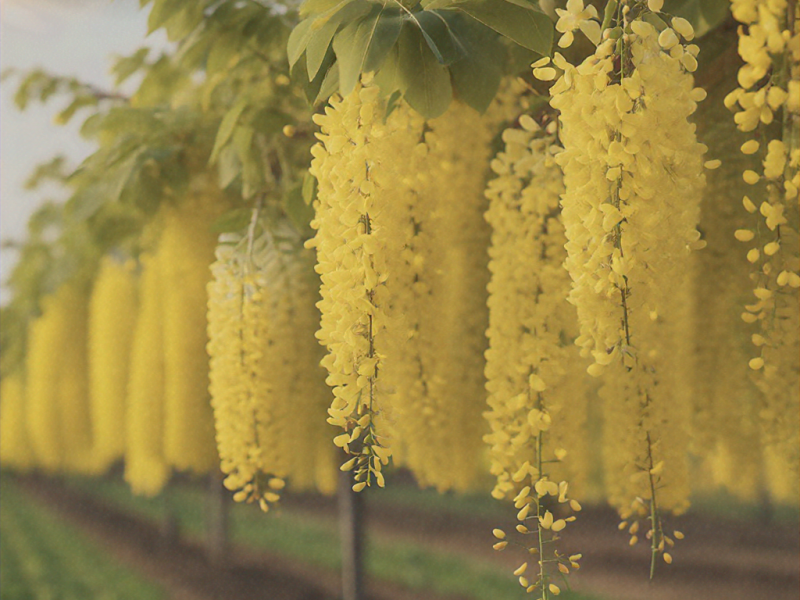
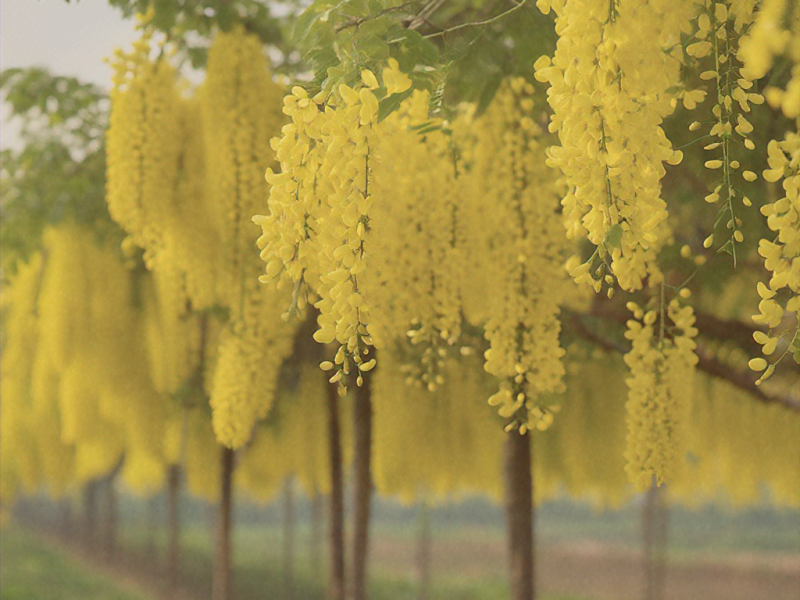
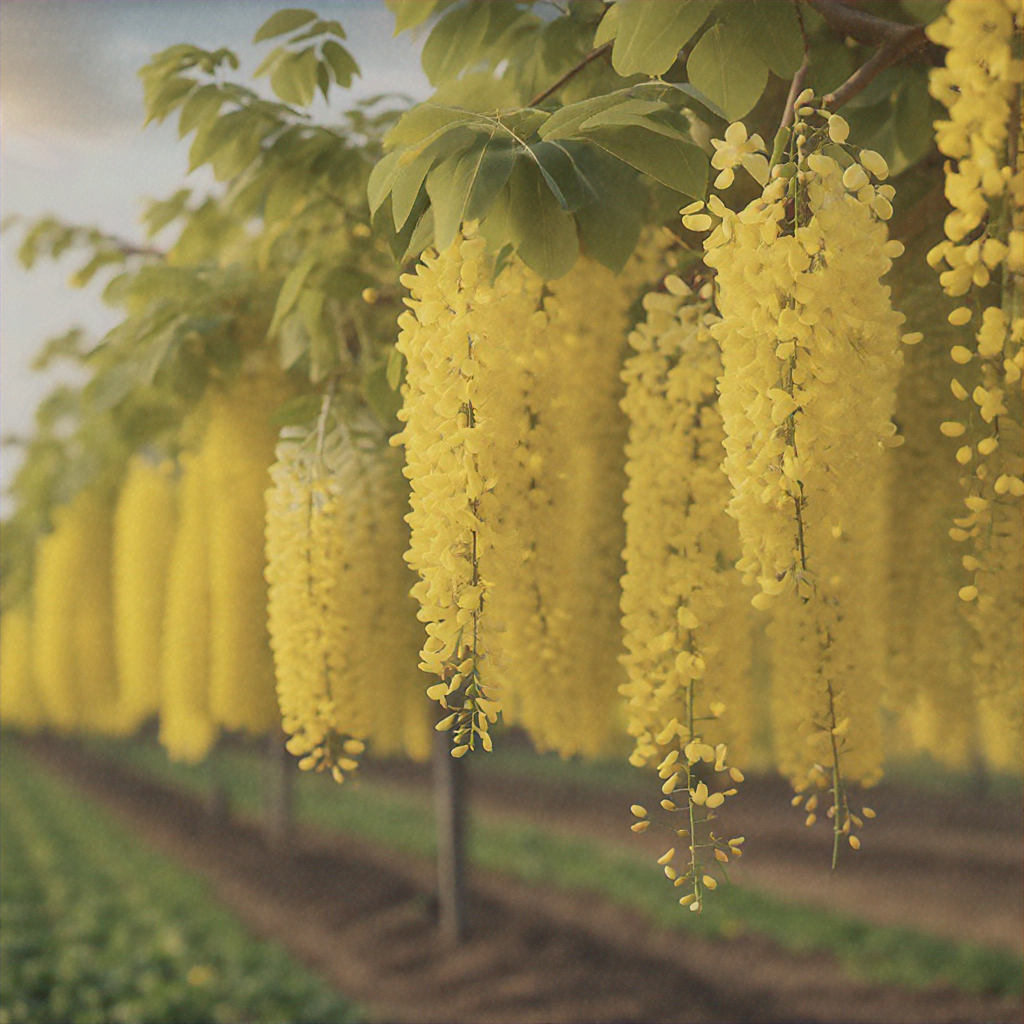
- Laburnum anagyroides (Common Laburnum): This is the most widely grown Laburnum species in the US, known for its striking yellow, pea-like flowers that bloom in pendulous clusters.
- Laburnum alpinum (Scotch Laburnum): A slightly more compact and hardier variety than the Common Laburnum, the Scotch Laburnum is well-suited for cooler climates in the northern regions of the United States.
- Laburnum × watereri (Waterer’s Laburnum): A popular hybrid between L. anagyroides and L. alpinum, Waterer’s Laburnum combines the best traits of both parent species, producing vibrant blooms and a more manageable growth habit.
When selecting Laburnum varieties for your garden or landscape, consider the specific climate and growing conditions of your region to ensure the best possible growth and flowering performance.
Soil Requirements for Laburnum Cultivation
Laburnum trees thrive in well-drained, slightly acidic soils rich in organic matter. The ideal soil pH range for Laburnum cultivation is between 5.5 and 6.5. If your soil is not naturally within this range, you can amend it with the appropriate amendments, such as sulfur to lower the pH or lime to raise it.
Laburnum plants prefer a sunny to partially shaded location, as they require ample sunlight to produce their vibrant blooms. When planting, ensure the soil is well-prepared, with a depth of at least 18-24 inches to allow for proper root growth and establishment.
Regular watering is essential, especially during the first few years after planting, to keep the soil consistently moist but not waterlogged. Once established, Laburnum trees can tolerate moderate drought conditions, but they will thrive with consistent, deep watering during dry spells.
Harvesting and Propagation
Laburnum trees typically reach their full height and flowering potential within 5-10 years of planting. The optimal time to harvest the pods, which contain the seeds, is in late summer or early fall, when they have fully matured and turned brown.
To harvest the pods, simply snip them off the plant using clean, sharp pruners. Spread the pods out in a well-ventilated, dry area to allow them to fully open and release the seeds. Once the seeds have been extracted, they can be stored in a cool, dry place for future planting.
Laburnum can also be propagated through softwood or hardwood cuttings taken in the spring or fall, respectively. These cuttings should be rooted in a well-draining potting mix and kept consistently moist until they develop a robust root system, at which point they can be transplanted into the garden.
Disease Management in Laburnum Cultivation
While Laburnum trees are generally hardy and disease-resistant, they can be susceptible to several common plant diseases. Proactive disease management is crucial to ensure the long-term health and vitality of your Laburnum plants. Let’s explore some of the most prevalent diseases and their respective control measures:
Laburnum Diseases and Control Measures
- Laburnum Blight (Pseudomonas syringae pv. Laburni): This bacterial disease can cause wilting, dieback, and premature leaf drop. To control it, remove and destroy any affected plant parts, and apply copper-based fungicides as a preventative measure.
- Laburnum Canker (Cytospora chrysosperma): A fungal disease that can cause bark cracking and branch dieback. Prune out any affected areas, dispose of infected material properly, and consider applying a fungicide containing active ingredients such as propiconazole or thiophanate-methyl.
- Powdery Mildew (Erysiphe alphitoides): This fungal disease manifests as a white, powdery growth on the leaves and stems. Manage it by improving air circulation, applying a baking soda-based fungicide, or using a horticultural oil spray.
- Leaf Scorch (Environmental Stress): Laburnum trees can be susceptible to leaf scorch, a condition caused by excessive heat, drought, or wind exposure. Mitigate this by providing adequate irrigation, shading, and wind protection as needed.
Vigilant monitoring, prompt identification, and targeted treatment of any disease issues are crucial for maintaining the health and longevity of your Laburnum trees. Regular inspections, coupled with the implementation of sustainable disease management practices, will help ensure a thriving Laburnum cultivation in your garden or landscape.
Conclusion
Laburnum, with its vibrant yellow blooms and graceful growth habit, is a captivating addition to many gardens and landscapes in the United States. By understanding the specific varieties, soil requirements, harvesting techniques, and disease management strategies, gardeners and horticulturists can successfully cultivate these stunning trees and contribute to the overall beauty and diversity of our green spaces.
Whether you’re a seasoned Laburnum enthusiast or just starting to explore this genus, this comprehensive guide has provided you with the knowledge and tools to ensure a rewarding and successful Laburnum cultivation experience. Happy gardening!