
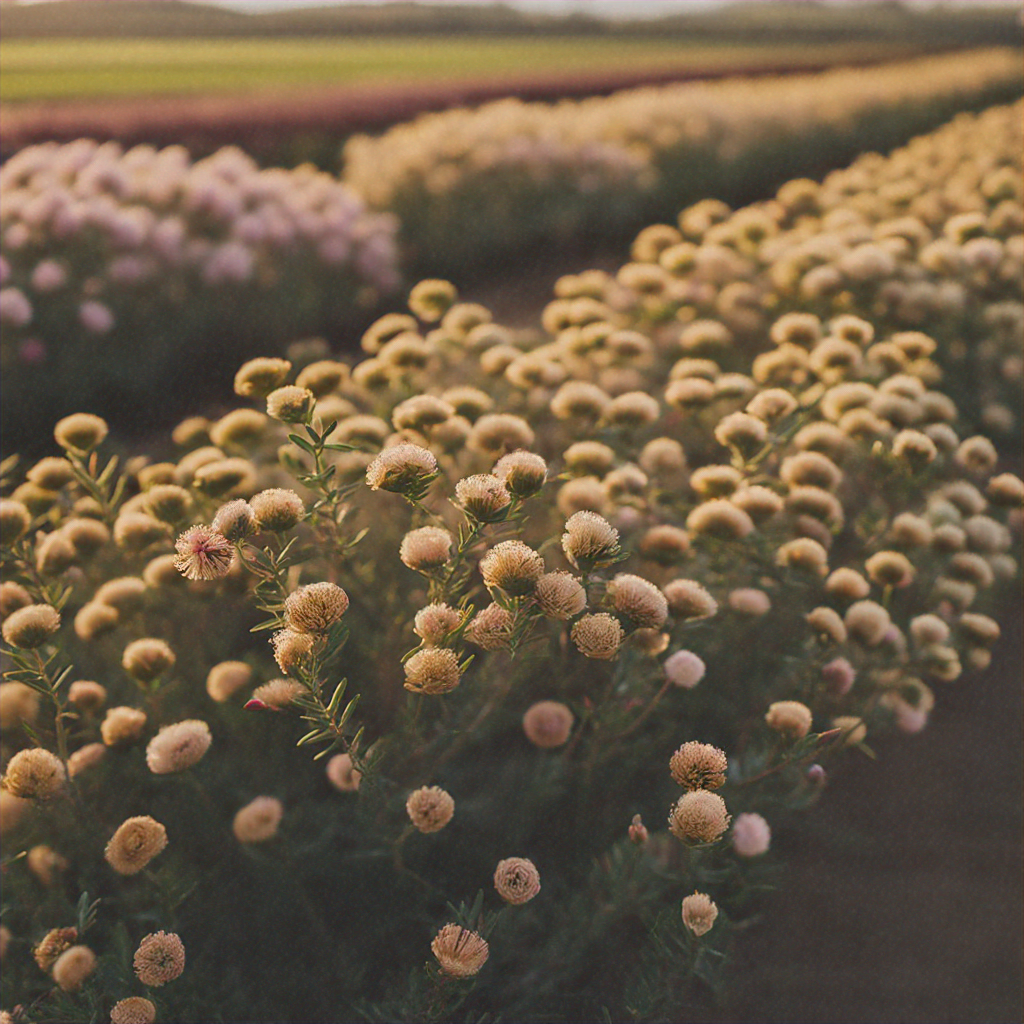
Kunzea Cultivation in Europe: Plant Doctor & Care – Varieties, Soil & Harvest
In the vast and diverse world of horticulture, one plant that has captured the attention of gardeners and botanists alike is the Kunzea. Hailing from the Myrtaceae family, this genus of flowering shrubs and trees is native to Australia and New Zealand, but its adaptability has led to a growing presence in European gardens and landscapes. In this comprehensive blog post, we’ll delve into the intricacies of Kunzea cultivation in Europe, exploring the plant’s unique varieties, soil requirements, and best practices for care and harvest.
Discovering the Kunzea: Varieties and Characteristics
The Kunzea genus encompasses a remarkable range of species, each with its own distinctive features and growth habits. In the European context, some of the most popular and widely cultivated Kunzea varieties include:
- Kunzea ambigua (Tick Bush): A dense, compact shrub with small, green, aromatic leaves and clusters of white or pink flowers that bloom in the spring and summer.
- Kunzea ericoides (Kānuka): A tall, slender tree or shrub with needle-like foliage and clusters of small, white flowers that provide a delicate, honey-like fragrance.
- Kunzea robusta (Kānuka): A robust, evergreen shrub or small tree with dark green, leathery leaves and showy, white to pink flowers that attract pollinators.
- Kunzea sinclairii (Auckland Kunzea): A low-growing, spreading shrub with small, linear leaves and terminal clusters of white or pink blooms.
Regardless of the specific variety, Kunzea plants are known for their adaptability, drought tolerance, and ability to thrive in a wide range of soil types and climatic conditions. Their unique foliage, diverse flower colors, and overall aesthetic appeal make them a valuable addition to gardens, landscaping projects, and ecological restoration efforts.
Soil and Growing Requirements: Cultivating Kunzea in Europe
While Kunzea plants are relatively hardy and low-maintenance, understanding their soil and growing requirements is crucial for successful cultivation in the European context. Here are some key considerations:
Soil Preferences
Kunzea plants prefer well-drained, slightly acidic to neutral soil with a pH range of 5.5 to 7.0. They can tolerate a variety of soil types, including sandy, loamy, or even clay-based soils, as long as the drainage is adequate. Avoid waterlogged or highly compacted soils, as these can lead to root rot and other health issues.
Sunlight and Temperature
Kunzea plants thrive in full sun to partial shade, preferring a minimum of 6 hours of direct sunlight per day. They can withstand a range of temperatures, from mild coastal climates to cooler, continental regions. However, it’s important to protect them from harsh frosts, particularly during the winter months, as they may be susceptible to cold damage.
Watering and Irrigation
Kunzea plants are generally drought-tolerant, but they do require consistent moisture, especially during the establishment phase and periods of active growth. Water the plants regularly, ensuring the soil dries out somewhat between waterings. Avoid overwatering, as this can lead to root rot and other problems.
Nutrient Requirements
Kunzea plants are relatively low-maintenance in terms of nutrient requirements, but they do benefit from the occasional application of a balanced, slow-release fertilizer. Apply the fertilizer in early spring, following the manufacturer’s instructions. Avoid excessive fertilization, as this can lead to excessive foliage growth at the expense of flowering.
Propagation and Cultivation Techniques
Propagating and cultivating Kunzea plants in Europe can be a rewarding experience for gardeners and horticulturists. Here are some common techniques and best practices:
Propagation from Cuttings
Kunzea plants can be readily propagated from semi-hardwood cuttings taken in the late spring or early summer. Choose healthy, disease-free stems and dip the cut ends in a rooting hormone before planting them in a well-draining potting mix. Maintain consistent moisture and humidity levels until the cuttings have developed a strong root system, typically within 4-8 weeks.
Seed Germination
While less common, Kunzea can also be propagated from seed. Collect the seeds from mature, healthy plants and sow them in a well-draining seed-starting mix. Provide the seeds with a warm, sunny location and keep the soil consistently moist until germination occurs, which can take 2-4 weeks.
Planting and Transplanting
When planting or transplanting Kunzea, choose a location that meets the plant’s soil and sunlight requirements. Dig a hole that is slightly wider than the root ball and plant the Kunzea at the same depth as it was growing in the previous container or soil. Water the plant thoroughly and mulch the soil around the base to retain moisture and suppress weed growth.
Pruning and Shaping
Kunzea plants can be pruned and shaped to maintain their desired form and promote healthy growth. Prune in the late winter or early spring, before new growth emerges, to remove any dead, damaged, or crossing branches. Regular light pruning throughout the growing season can also help to encourage a dense, bushy habit.
Pest and Disease Management: Keeping Kunzea Healthy
While Kunzea plants are generally hardy and resilient, they can be susceptible to certain pests and diseases, especially in the European climate. Being proactive and vigilant in monitoring and managing these issues is crucial for maintaining the health and longevity of your Kunzea plants. Some common problems and their management strategies include:
Insect Pests
Kunzea plants may attract aphids, scale insects, or mites, which can cause damage to the foliage and overall plant health. Regularly inspect the plants and, if necessary, use a gentle, organic insecticidal soap or neem oil to control the pests.
Fungal Diseases
Powdery mildew, leaf spot, and root rot are some of the fungal diseases that can affect Kunzea plants. Maintain good air circulation, avoid overwatering, and consider using a fungicide specifically formulated for the affected disease, if necessary.
Environmental Stress
Extreme temperatures, drought, or frost can cause stress and damage to Kunzea plants. Monitor the plants for signs of stress, such as wilting, discolored leaves, or dieback, and take appropriate measures to alleviate the issue, such as providing shade, increasing water supply, or applying a horticultural oil for frost protection.
Harvesting and Utilization
In addition to their ornamental value, Kunzea plants have a rich history of traditional uses and potential commercial applications. Here are some ways in which Kunzea can be harvested and utilized:
Essential Oil Extraction
Kunzea plants, particularly the Kunzea ericoides and Kunzea robusta varieties, are known for their high-quality essential oils, which can be extracted and used in various industries, such as aromatherapy, cosmetics, and even as natural insect repellents.
Culinary and Medicinal Uses
The leaves and flowers of certain Kunzea species, such as Kunzea ambigua, have been traditionally used in Indigenous Australian and New Zealand cuisines, as well as in herbal medicine. These parts of the plant can be used to make teas, infusions, or added to various dishes.
Ecological Restoration and Landscaping
Kunzea plants are valuable in ecological restoration efforts due to their ability to thrive in diverse environments and provide food and shelter for local wildlife. They are also commonly used in landscaping projects, both in public spaces and private gardens, for their aesthetic appeal and low-maintenance requirements.
In conclusion, the Kunzea genus offers a wealth of opportunities for gardeners, horticulturists, and researchers in the European context. By understanding the unique characteristics and cultivation requirements of these versatile plants, you can successfully integrate Kunzea into your garden or landscape, while also exploring their broader applications and potential benefits to human and environmental well-being.
