Plant Doctor & Care for Korean Spice Viburnum – Iowa Guide: Step-by-Step & Yield Tips
Gardening enthusiasts in Iowa and the surrounding Midwest region know the importance of selecting the right plants to thrive in our unique climate. One such plant that has gained popularity in recent years is the Korean Spice Viburnum (Viburnum carlesii), a versatile and fragrant shrub that adds both beauty and function to the landscape. In this comprehensive guide, we’ll delve into the essential care and maintenance required to ensure a healthy and bountiful Korean Spice Viburnum in your Iowa garden.
Understanding the Korean Spice Viburnum
The Korean Spice Viburnum is a deciduous shrub native to the Korean peninsula and parts of China. It is known for its clusters of delicate, pink-tinged white flowers that bloom in the early spring, often before the leaves emerge. The flowers have a distinctive, spicy fragrance that can fill the air around the plant, earning it the “spice” moniker.
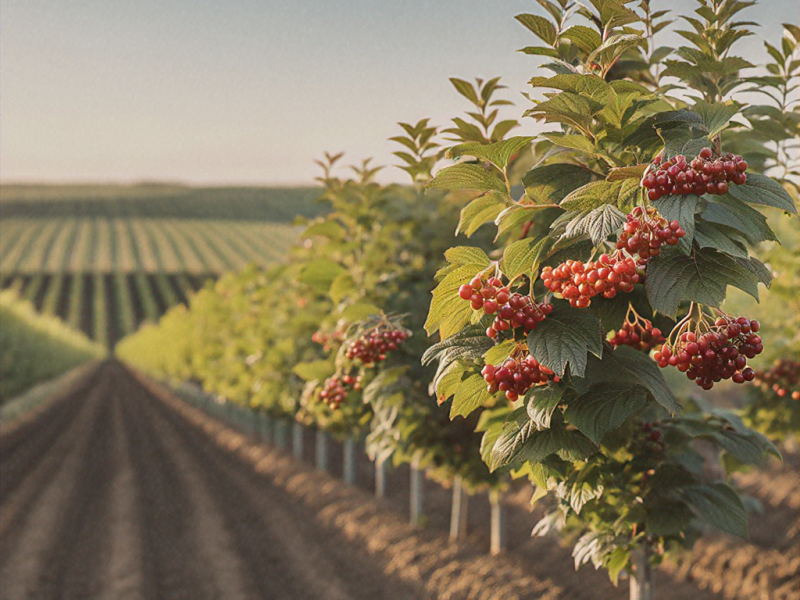
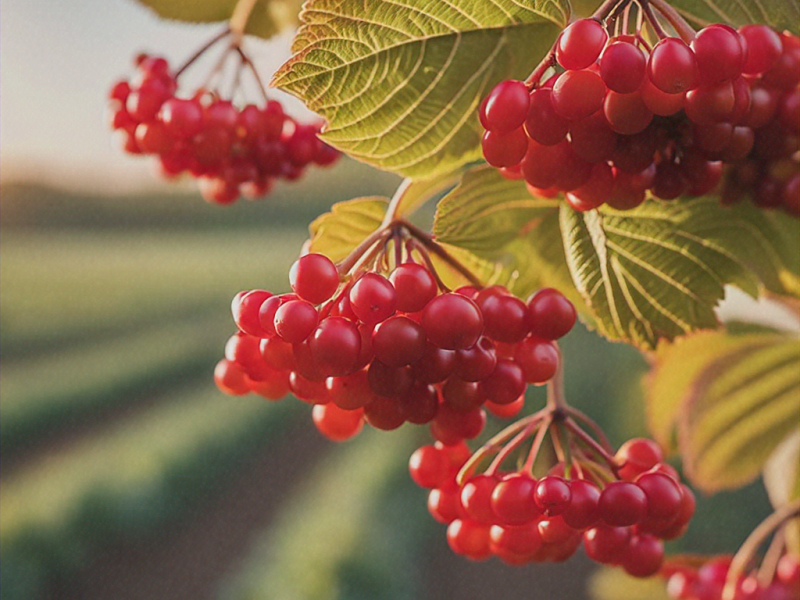
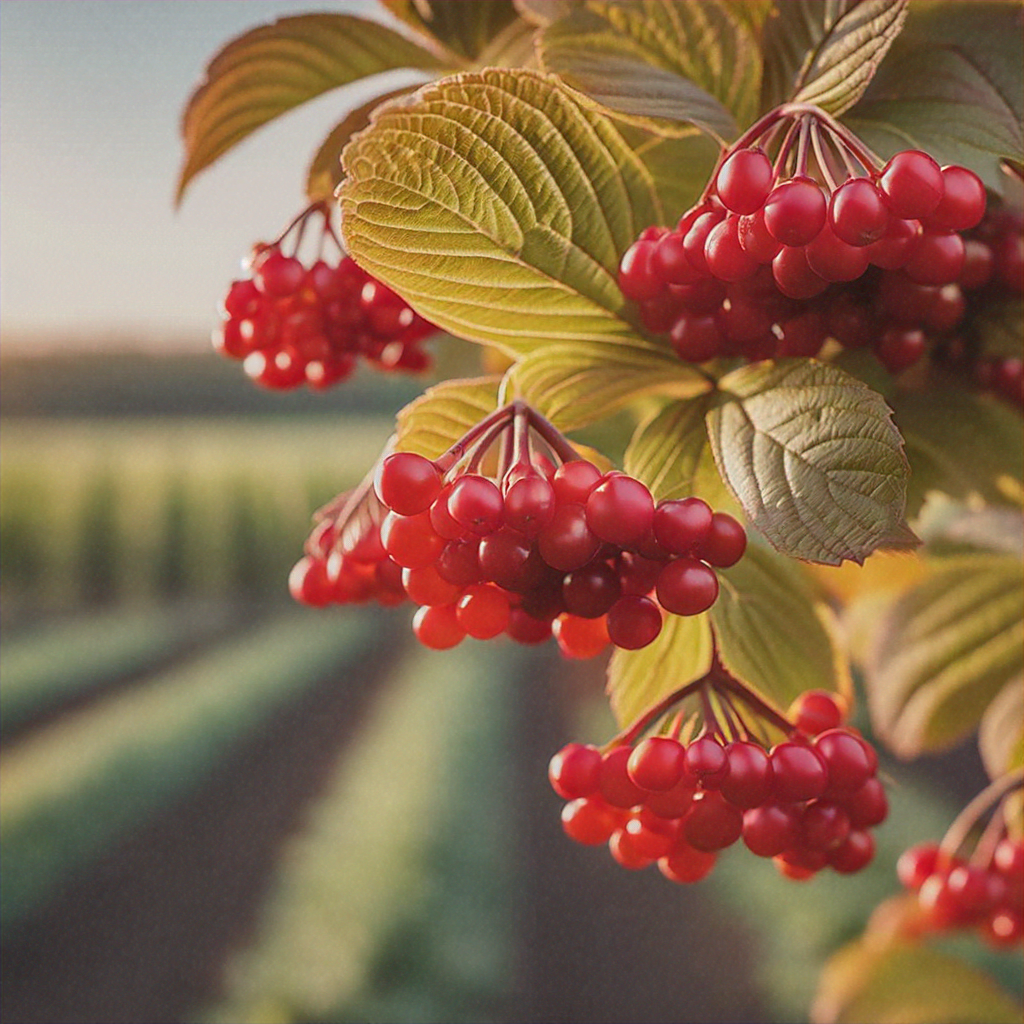
In addition to its ornamental value, the Korean Spice Viburnum is also prized for its ability to attract pollinators, such as bees and butterflies, to the garden. The plant’s berries, which turn from green to red and then black as they mature, are also a valuable food source for birds and other wildlife.
Site Selection and Planting
When choosing a location for your Korean Spice Viburnum, it’s important to consider the following factors:
- Sunlight: The Korean Spice Viburnum thrives in full sun to partial shade, with at least 6 hours of direct sunlight per day.
- Soil: This shrub prefers well-drained, acidic soil with a pH between 5.5 and 6.5. Amending the soil with compost or peat moss can help improve drainage and acidity if needed.
- Spacing: Korean Spice Viburnums can grow to a mature height and width of 6-10 feet, so be sure to plant them with enough space to accommodate their growth.
When planting, dig a hole that is twice the width of the root ball and the same depth. Place the plant in the hole, backfill with soil, and water thoroughly to settle the roots. Mulch around the base of the plant to help retain moisture and suppress weeds.
Watering and Fertilizing
Proper watering is crucial for the health and growth of the Korean Spice Viburnum. During the first year after planting, keep the soil consistently moist, but not waterlogged. Once the plant is established, it can tolerate some drought but will benefit from regular watering, especially during dry spells.
As for fertilizing, apply a balanced, slow-release fertilizer in early spring, following the manufacturer’s instructions. Avoid over-fertilizing, as this can lead to excessive foliage growth at the expense of flower and fruit production.
Pruning and Maintenance
Pruning the Korean Spice Viburnum is essential to maintain its shape, encourage new growth, and promote flower and fruit production. The best time to prune is in late winter or early spring, before new growth emerges.
Begin by removing any dead, damaged, or crossing branches. Then, thin out the interior of the plant to improve air circulation and light penetration. Finally, shape the shrub by trimming back the outer branches to maintain the desired size and form.
It’s also important to regularly remove any fallen leaves or debris around the base of the plant to prevent the buildup of moisture, which can lead to fungal diseases.
Pest and Disease Management
The Korean Spice Viburnum is generally a hardy plant, but it can be susceptible to a few common pests and diseases. Some of the most prevalent issues include:
- Aphids: These small, sap-sucking insects can infest the leaves and buds, causing distortion and stunted growth.
- Powdery Mildew: A fungal disease that appears as a white, powdery coating on the leaves and can weaken the plant over time.
- Bacterial Leaf Spot: A bacterial infection that causes dark, circular spots on the leaves, which can lead to premature leaf drop.
To manage these issues, consider the following strategies:
- Regularly inspect the plant for signs of pests or disease and address any problems promptly.
- Use horticultural oils or insecticidal soaps to control aphid infestations.
- Apply a fungicide approved for use on viburnums to treat powdery mildew or bacterial leaf spot.
- Maintain good air circulation around the plant and avoid overhead watering to reduce the risk of fungal diseases.
Harvesting and Yields
While the primary reason to grow a Korean Spice Viburnum is for its stunning flowers and foliage, the plant also produces edible berries that can be a valuable addition to your garden’s bounty.
The berries typically ripen in late summer or early fall, turning from green to red and then black as they mature. They can be harvested by gently plucking them from the clusters, taking care not to damage the plant.
The yield from a mature Korean Spice Viburnum can vary, but a well-cared-for plant can produce several pounds of berries per year. These berries can be enjoyed fresh, used in jams and preserves, or even dried and incorporated into baked goods or teas.
It’s important to note that while the berries are edible, they can have a slightly bitter or tart flavor, so they may not be suitable for all palates. Additionally, the plant’s leaves and stems should not be consumed, as they can be toxic if ingested in large quantities.
Conclusion
The Korean Spice Viburnum is a versatile and rewarding addition to any Iowa garden. With its stunning spring blooms, attractive foliage, and potential for edible berries, this shrub offers a multitude of benefits to both gardeners and wildlife.
By following the step-by-step guidance outlined in this guide, you can successfully plant, care for, and maintain a healthy Korean Spice Viburnum that will thrive in your Iowa landscape for years to come. Remember to pay close attention to the plant’s specific needs, stay vigilant for pests and diseases, and enjoy the bounty and beauty it provides.