Growing Korean Spice Viburnum – Plant Doctor & Care for India: Complete Guide & Best Practices
In the lush and diverse landscape of India, home gardeners and horticulturists alike have long been enamored with the captivating beauty and versatility of the Korean Spice Viburnum (Viburnum carlesii). This captivating shrub, native to the Korean Peninsula and parts of China, has found a thriving niche in the Indian subcontinent, captivating the hearts and imaginations of plant enthusiasts across the country. In this comprehensive guide, we delve into the art of cultivating and caring for the Korean Spice Viburnum, providing valuable insights and best practices to ensure its successful growth and vibrant display in Indian gardens.
Understanding the Korean Spice Viburnum
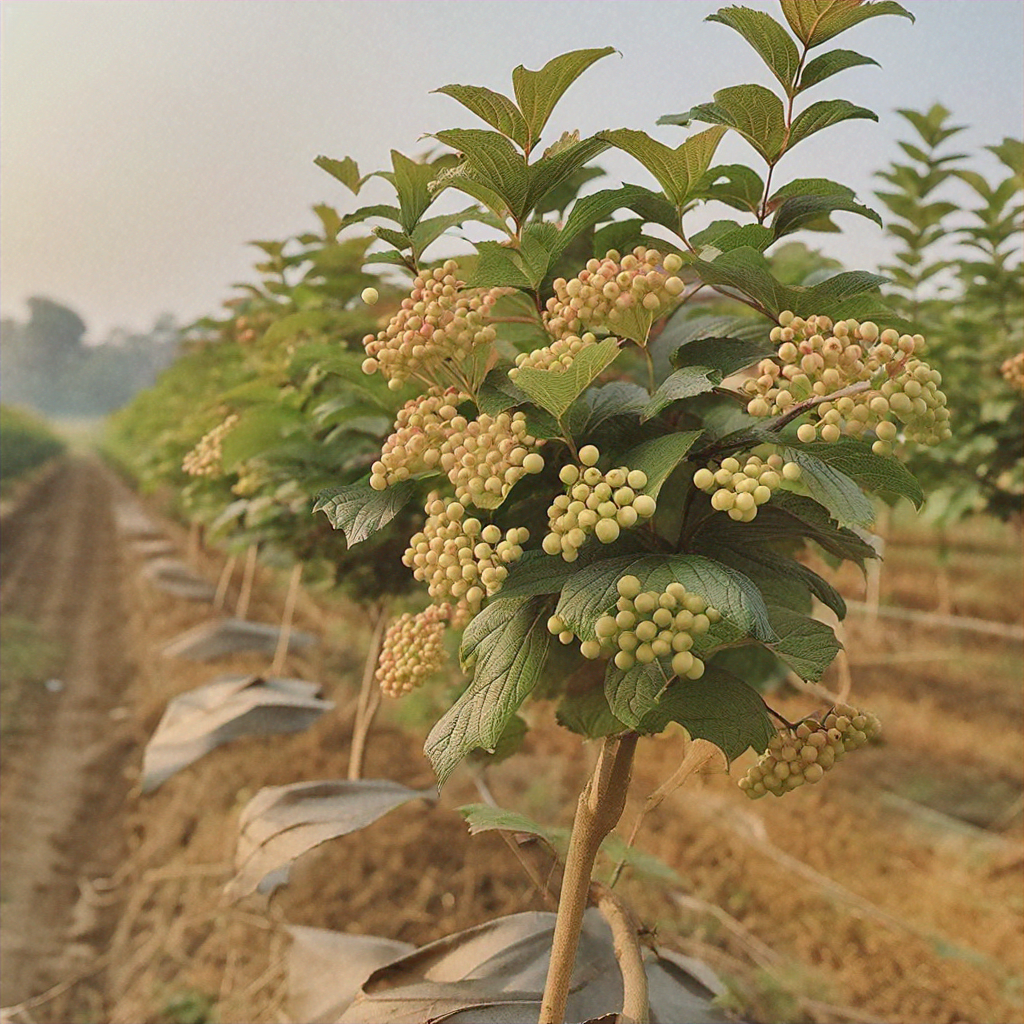
The Korean Spice Viburnum is a deciduous shrub that belongs to the Adoxaceae family, known for its striking floral displays and alluring fragrance. Reaching heights of 6 to 10 feet (1.8 to 3 meters) and spreading up to 8 feet (2.4 meters) wide, this versatile plant can be easily integrated into a variety of garden settings, from formal landscapes to informal cottage-style plantings.
One of the most captivating features of the Korean Spice Viburnum is its inflorescence, a cluster of small, creamy-white flowers that bloom in early spring, often before the emergence of the plant’s lush, green foliage. The flowers are renowned for their enchanting spicy-sweet aroma, which can permeate the air and delight the senses of gardeners and passersby alike.
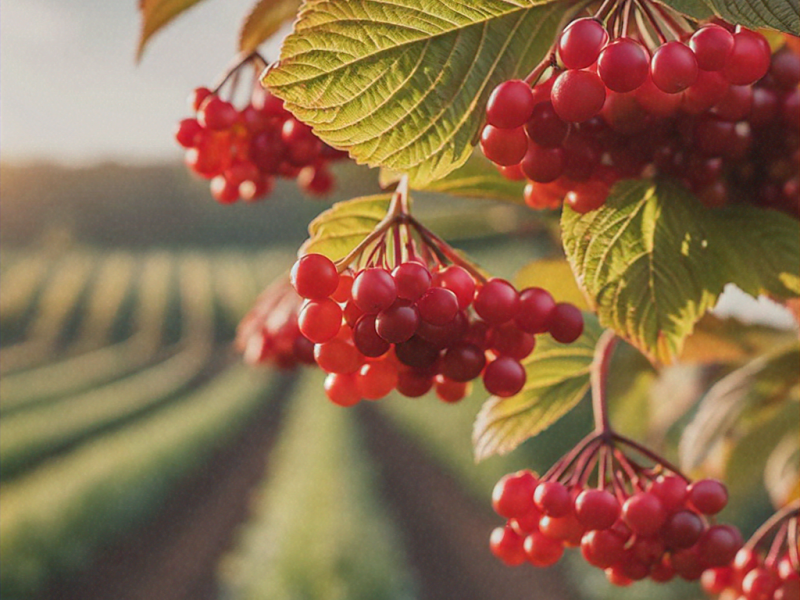
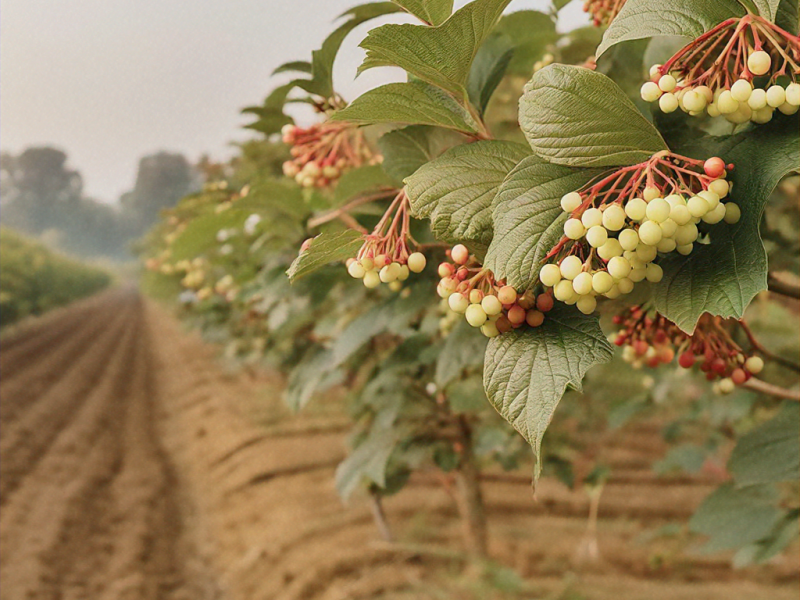
As the blooms fade, the plant’s foliage takes center stage, with its deep green leaves turning a stunning reddish-purple hue in the fall, adding a vibrant touch to the garden’s autumnal palette. Additionally, the Korean Spice Viburnum produces clusters of small, blue-black berries that mature in late summer, providing a delightful visual contrast and attracting a variety of birds and wildlife to the garden.
Ideal Growing Conditions for Korean Spice Viburnum in India
To ensure the optimal growth and health of your Korean Spice Viburnum in the Indian climate, it’s essential to understand the plant’s preferred growing conditions:
- Sunlight: The Korean Spice Viburnum thrives in partial shade to full sun, preferring a location that receives at least 6 hours of direct sunlight per day.
- Soil: This plant prefers well-draining, slightly acidic soil with a pH range of 5.5 to 6.5. Amending the soil with organic matter, such as compost or peat moss, can help improve drainage and nutrient content.
- Moisture: The Korean Spice Viburnum requires consistent moisture, especially during the growing season. Avoid allowing the soil to become overly dry, as this can lead to stress and potential disease issues.
- Temperature: While this plant can tolerate a wide range of temperatures, it performs best in regions with cool, temperate climates. In India, it may do well in the hill stations and cooler regions, but may struggle in the hotter, more humid areas.
Planting and Transplanting Korean Spice Viburnum
When it comes to planting and transplanting the Korean Spice Viburnum, timing and technique are crucial for success:
- Planting: The ideal time to plant the Korean Spice Viburnum in India is during the cooler months, typically between October and March. This allows the plant to establish its root system before the onset of the hotter, drier weather.
- Site Selection: Choose a location that provides the appropriate sunlight exposure, well-draining soil, and adequate space for the plant to mature. Ensure that the planting area is free from competing root systems and potential sources of stress.
- Transplanting: If you need to relocate an established Korean Spice Viburnum, the best time to do so is in the late fall or early spring when the plant is dormant. Carefully dig up the entire root ball, taking care to minimize damage, and replant it in the desired location.
- Watering: Newly planted or transplanted Korean Spice Viburnums require frequent, deep watering to help establish their root system. Gradually reduce watering as the plant becomes more established, but maintain consistent moisture throughout the growing season.
Caring for Korean Spice Viburnum in India
Proper care and maintenance are essential for the long-term health and vibrant display of your Korean Spice Viburnum. Here are some key practices to follow:
- Pruning: Prune your Korean Spice Viburnum in late winter or early spring, before new growth emerges. Remove any dead, damaged, or crossing branches, and lightly trim the plant to maintain its desired shape and size.
- Fertilization: Feed your Korean Spice Viburnum with a balanced, slow-release fertilizer in early spring, following the manufacturer’s instructions. Avoid over-fertilizing, as this can lead to excessive growth and diminished flowering.
- Mulching: Apply a 2-3 inch (5-7.5 cm) layer of organic mulch, such as shredded bark or wood chips, around the base of the plant. This helps retain soil moisture, suppress weeds, and insulate the root system.
- Pest and Disease Management: Keep an eye out for common pests and diseases that may affect the Korean Spice Viburnum, such as aphids, mites, and leaf scorch. Address any issues promptly, using organic or eco-friendly control methods whenever possible.
- Winter Protection: In regions with cooler winters, consider providing additional protection for your Korean Spice Viburnum by wrapping the plant or applying a layer of mulch around the base to insulate the roots.
Propagating Korean Spice Viburnum
For gardeners looking to expand their collection or share the beauty of the Korean Spice Viburnum, propagation is a rewarding endeavor. There are several methods to propagate this plant:
- Cuttings: Take semi-hardwood cuttings from the plant in late summer or early fall and root them in a well-draining potting mix. This method is relatively straightforward and can yield successful results.
- Layering: Encourage the plant to root by gently wounding a low-growing branch and burying it in the soil. Once the new roots have formed, the branch can be severed and transplanted as a separate plant.
- Division: In the spring or fall, carefully divide the root system of an established Korean Spice Viburnum, ensuring that each new division has a healthy root system and foliage. Replant the divisions in suitable locations.
Whichever propagation method you choose, be patient and provide the new plants with the same care and attention as their parent plant, and you’ll be rewarded with a thriving, expanding collection of these captivating Korean Spice Viburnums.
Conclusion
The Korean Spice Viburnum is a true gem in the world of Indian gardening, offering a captivating blend of fragrance, foliage, and form. By understanding its unique growing requirements and following best practices for cultivation and care, you can unlock the full potential of this versatile shrub and enjoy its beauty for years to come. Whether you’re a seasoned horticulturist or a passionate home gardener, the Korean Spice Viburnum is a plant worth adding to your collection, as it promises to enchant and delight all who encounter it.