How to Grow Korean Spice Viburnum in the United States: Intelligent Growth Guide – Complete How-To
As part of our ongoing efforts to promote sustainable agriculture and human welfare, we’re excited to provide a comprehensive guide on growing Korean Spice Viburnum (Viburnum carlesii) in the United States. This fragrant and versatile shrub offers a wealth of benefits, from its beautiful spring blooms to its wildlife-attracting properties. Whether you’re a seasoned gardener or a beginner, this guide will equip you with the knowledge and techniques to successfully cultivate Korean Spice Viburnum in your own backyard or landscape.
Understanding Korean Spice Viburnum
Korean Spice Viburnum is a deciduous shrub native to the Korean peninsula and parts of China. It is known for its delightful, spice-scented flowers that bloom in early spring, often before the leaves emerge. The flowers come in shades of white, pink, or reddish-purple, creating a stunning display that attracts pollinators and adds vibrant color to any garden.
In addition to its ornamental value, Korean Spice Viburnum is an excellent choice for wildlife gardens, as it provides food and habitat for a variety of birds, butterflies, and other beneficial insects. The shrub’s berries are also edible, though they are not particularly palatable to humans, and are more often enjoyed by birds and other wildlife.
Site Selection and Soil Preparation
When it comes to growing Korean Spice Viburnum, site selection and soil preparation are crucial for the plant’s success. Here are the key considerations:
- Sunlight: Korean Spice Viburnum prefers full sun to partial shade, with at least 6 hours of direct sunlight per day.
- Soil: The plant thrives in well-drained, slightly acidic soil with a pH range of 5.5 to 6.5. Amend the soil with compost or other organic matter to improve drainage and nutrient content.
- Spacing: Allow for adequate spacing, as Korean Spice Viburnum can grow to a height and width of 6-10 feet. Plant the shrubs at least 6-8 feet apart to allow for proper growth and air circulation.
Planting and Transplanting
When it’s time to plant your Korean Spice Viburnum, follow these steps for optimal success:
- Timing: The best time to plant is in the fall or early spring, when the plant is dormant and can establish its root system before the growing season.
- Hole Preparation: Dig a hole that is twice the width of the plant’s root ball and the same depth. This will allow the roots to spread easily.
- Planting: Gently remove the plant from its container and place it in the prepared hole. Backfill with the original soil, ensuring that the top of the root ball is level with the surrounding soil.
- Watering: Water the plant thoroughly after planting, and continue to water regularly (about 1 inch per week) during the first growing season to help establish the root system.
- Mulching: Apply a 2-3 inch layer of organic mulch around the base of the plant, keeping it a few inches away from the stem to prevent rot.
If you need to transplant an established Korean Spice Viburnum, the best time to do so is in the fall or early spring, just like with new plantings. Dig up the plant carefully, preserving as much of the root system as possible, and replant it in the new location following the same planting instructions.
Caring for Korean Spice Viburnum
Proper care and maintenance are essential for the long-term health and vigorous growth of your Korean Spice Viburnum. Here are some key tips:
Watering
Korean Spice Viburnum prefers consistently moist, well-drained soil. During the first growing season, water the plant regularly, ensuring the soil stays evenly moist but not waterlogged. Once the plant is established, you can reduce watering, but still provide about 1 inch of water per week, adjusting as needed during periods of drought or excessive rainfall.
Fertilizing
Fertilize your Korean Spice Viburnum in early spring with a balanced, slow-release fertilizer or a natural, organic alternative, such as compost or well-rotted manure. Avoid over-fertilizing, as this can lead to excessive foliage growth at the expense of flower production.
Pruning
Pruning is essential for maintaining the shape and overall health of your Korean Spice Viburnum. The best time to prune is in late winter or early spring, before new growth appears. Remove any dead, damaged, or crossing branches, and thin out the interior of the shrub to improve air circulation and light penetration.
Winter Protection
In colder climates, you may need to provide some winter protection for your Korean Spice Viburnum. Wrap the lower portion of the plant with burlap or a tree wrap to protect the stems from frost damage. You can also apply a layer of mulch around the base of the plant to insulate the roots.
Pests and Diseases
Korean Spice Viburnum is generally a hardy and disease-resistant plant, but it can be susceptible to a few common issues. Keep an eye out for the following pests and diseases:
- Aphids: These small, sap-sucking insects can infest the leaves and stems, causing stunted growth and distorted foliage. Treat with insecticidal soap or neem oil.
- Powdery Mildew: This fungal disease can cause a white, powdery coating on the leaves. Improve air circulation and apply a fungicide if necessary.
- Leaf Scorch: Caused by excessive heat, drought, or wind, leaf scorch can lead to the drying and browning of leaf edges. Ensure proper watering and provide shade or wind protection as needed.
By closely monitoring your Korean Spice Viburnum and addressing any issues promptly, you can maintain the plant’s health and prevent serious problems.
Harvesting and Enjoying Korean Spice Viburnum
While the primary appeal of Korean Spice Viburnum is its ornamental value, the plant does offer some additional benefits that you can enjoy:
Flowers
The fragrant spring flowers of Korean Spice Viburnum make excellent cut flowers for indoor arrangements. Snip the blooms just as they begin to open for the longest vase life.
Berries
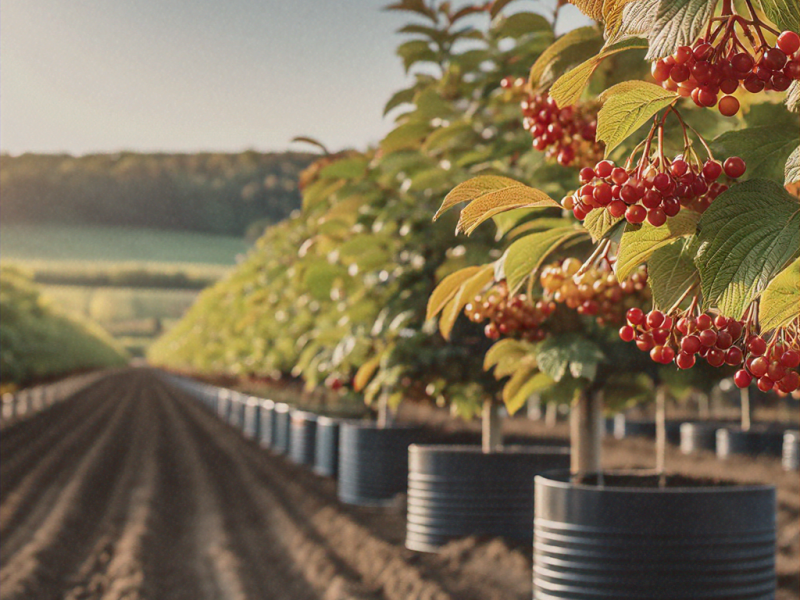
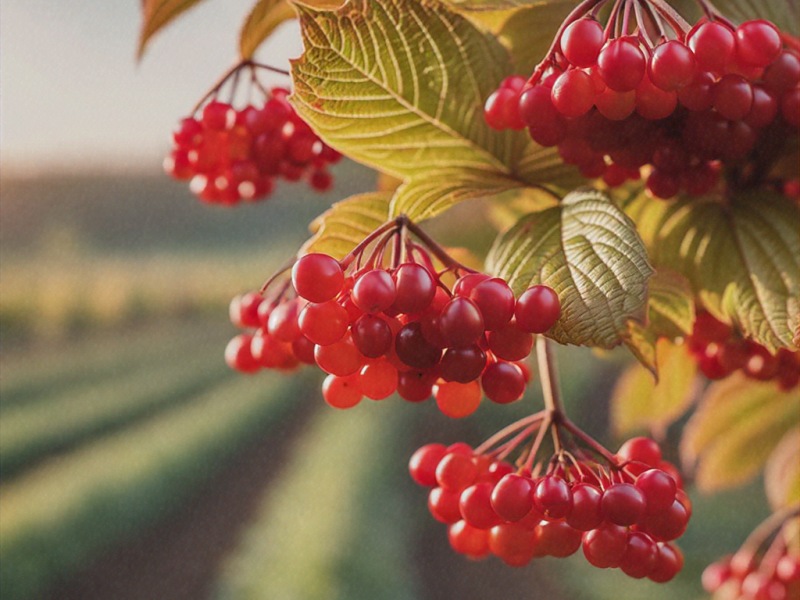
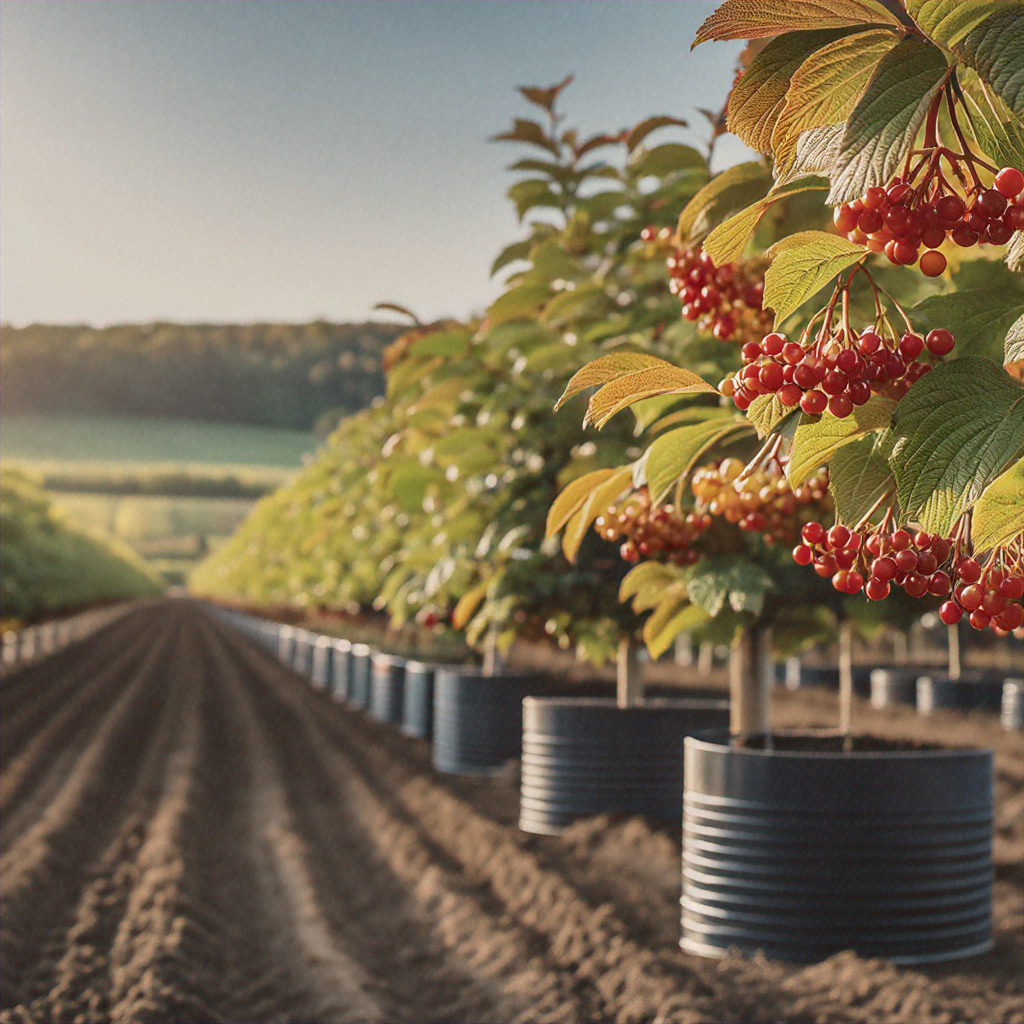
The small, red berries that form after the flowers can be harvested and used in jams, jellies, or other culinary applications, though they are not particularly palatable for human consumption. They are, however, a valuable food source for birds and other wildlife.
Wildlife Attraction
Korean Spice Viburnum is a magnet for pollinators, such as bees and butterflies, as well as songbirds, which are attracted to the plant’s berries. By incorporating this shrub into your landscape, you’ll be supporting a thriving ecosystem and contributing to the overall health of your local wildlife population.
Conclusion
Korean Spice Viburnum is a remarkable plant that offers a wealth of benefits, from its captivating spring blooms to its value for wildlife. By following the comprehensive guidance outlined in this guide, you can successfully cultivate this versatile shrub in your own garden or landscape, and enjoy its beauty and ecological contributions for years to come.
Remember, investing in sustainable, wildlife-friendly plants like Korean Spice Viburnum not only enhances the aesthetic appeal of your outdoor spaces but also plays a vital role in supporting the delicate balance of our natural ecosystems. As we continue to promote agricultural practices that prioritize human welfare and environmental stewardship, growing plants like Korean Spice Viburnum is a meaningful step towards a greener, more resilient future.