Growing Korean Spice Viburnum – Intelligent Growth Guide for North America: Complete Guide & Best Practices
In the ever-evolving world of horticulture, the Korean Spice Viburnum (Viburnum carlesii) has emerged as a captivating and versatile plant, captivating gardeners and landscape enthusiasts across North America. This ornamental shrub, native to the Korean peninsula, has become a beloved addition to many gardens, thanks to its stunning display of fragrant flowers, vibrant foliage, and resilient nature. Whether you’re a seasoned grower or a novice gardener, this comprehensive guide will provide you with the knowledge and best practices to cultivate the Korean Spice Viburnum successfully in your own backyard.
Understanding the Korean Spice Viburnum
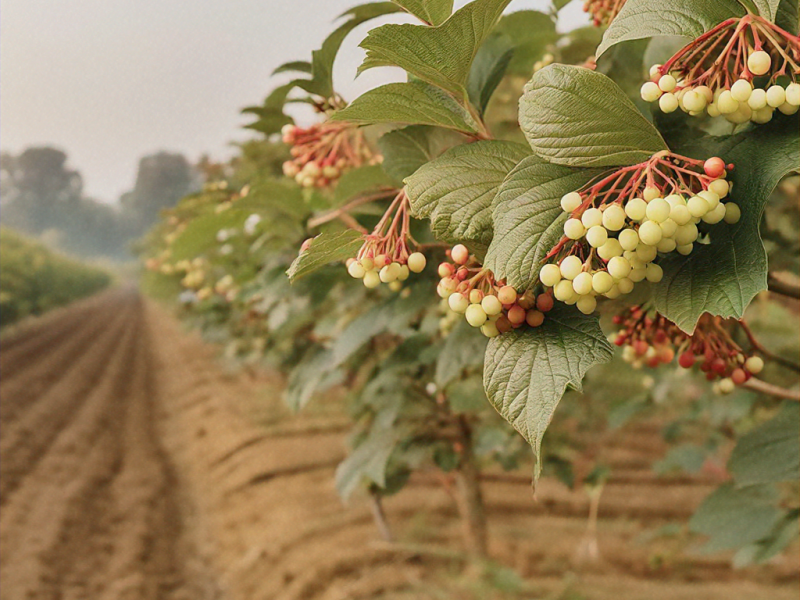
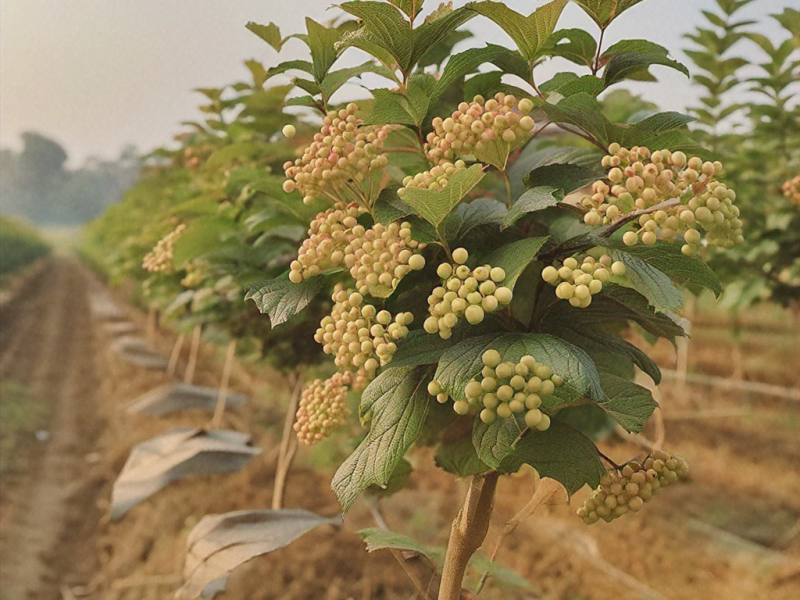
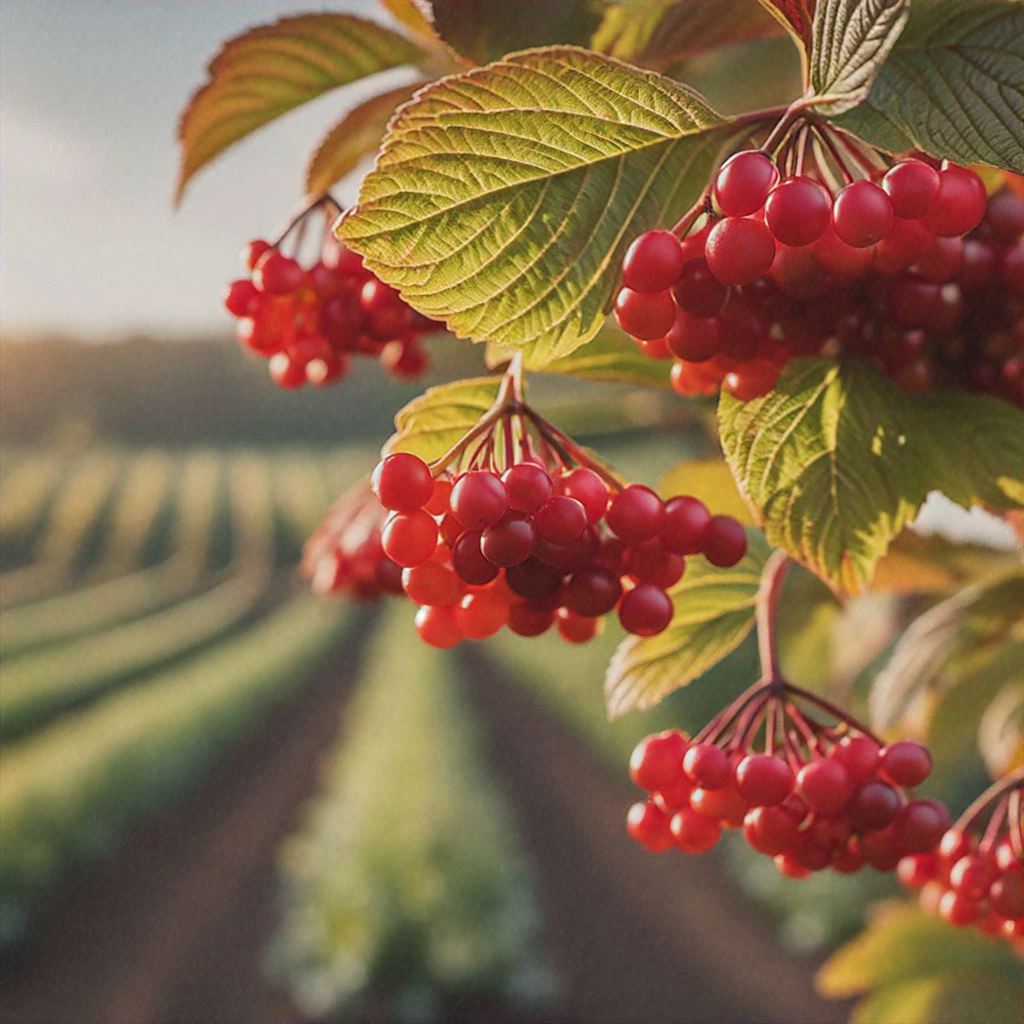
The Korean Spice Viburnum is a deciduous shrub that thrives in USDA Hardiness Zones 5 to 8, making it a suitable choice for a wide range of climates across North America. Its name is derived from the distinct, spicy-sweet fragrance of its blooms, which have been likened to the aroma of cloves or nutmeg. The plant’s foliage is also a highlight, transforming from a deep green in the spring to a vibrant red or purple hue in the fall, adding a stunning seasonal display to any landscape.
Site Selection and Soil Preparation
When it comes to choosing the perfect location for your Korean Spice Viburnum, it’s essential to consider the plant’s preferred growing conditions. The Korean Spice Viburnum thrives in well-drained, moist, and slightly acidic soil, with a pH range of 5.5 to 6.5. Ensure that the planting site receives full sun to partial shade, as the plant can tolerate a range of light conditions.
Before planting, prepare the soil by incorporating organic matter, such as compost or well-rotted manure, to improve drainage and nutrient content. This will create an optimal growing environment for your Korean Spice Viburnum, promoting vigorous growth and healthy blooms.
Planting and Spacing
When it’s time to introduce your Korean Spice Viburnum to its new home, consider the plant’s mature size and spacing requirements. The Korean Spice Viburnum can reach a height of 6 to 8 feet and a width of 6 to 10 feet, so allow ample space between plants to accommodate their growth. Typically, a spacing of 6 to 8 feet between plants is recommended.
Dig a hole that is twice the width of the plant’s root ball and just as deep. Gently place the plant in the hole, making sure the top of the root ball is level with the surrounding soil. Backfill the hole with the original soil, taking care not to bury the plant too deeply. Water the area thoroughly to settle the soil and eliminate any air pockets.
Watering and Mulching
Maintaining consistent moisture is crucial for the success of your Korean Spice Viburnum. During the first growing season, water the plant deeply and regularly, ensuring the soil remains moist but not waterlogged. Once established, the Korean Spice Viburnum is relatively drought-tolerant, but it will still benefit from occasional deep watering, especially during periods of prolonged drought.
Mulching around the base of the plant can also help retain soil moisture and suppress weed growth. Apply a 2 to 3-inch layer of organic mulch, such as wood chips or shredded bark, being mindful to keep the mulch a few inches away from the plant’s stem to prevent rot.
Fertilizing and Pruning
To ensure your Korean Spice Viburnum thrives, provide it with the necessary nutrients through a balanced, slow-release fertilizer. Apply the fertilizer in early spring, following the manufacturer’s instructions, to promote healthy growth and vibrant blooms. Avoid over-fertilizing, as this can lead to excessive foliage growth at the expense of flower production.
Pruning is an essential aspect of maintaining the Korean Spice Viburnum’s shape and encouraging new growth. Aim to prune the plant in late winter or early spring, before new growth begins. Remove any dead, damaged, or crossing branches, and shape the plant as desired. Be mindful not to prune too heavily, as this can stress the plant and reduce its flowering potential.
Pest and Disease Management
The Korean Spice Viburnum is generally a hardy plant, but it may occasionally face pest or disease challenges. Common issues include aphids, spider mites, and powdery mildew. To address these problems, consider the following strategies:
- Regularly inspect the plant for signs of pests or disease and address any issues promptly.
- Use insecticidal soap or neem oil to control aphids and spider mites, following the product’s instructions carefully.
- Prune affected areas and increase air circulation around the plant to prevent the spread of powdery mildew.
- Avoid overwatering, as this can contribute to the development of fungal diseases.
Winter Protection and Cold Hardiness
The Korean Spice Viburnum is generally cold-hardy, but in colder climates, it may benefit from additional winter protection. Consider the following measures to ensure your plant’s survival during the colder months:
- Mulch the base of the plant with 2 to 3 inches of organic material, such as shredded leaves or straw, to insulate the roots.
- Wrap the plant’s stems and branches with burlap or horticultural fleece to protect them from frost and wind damage.
- In regions with heavy snowfall, gently brush off accumulated snow to prevent branches from breaking under the weight.
<
h2>Propagation and Cultivar Selection
If you’re interested in expanding your Korean Spice Viburnum collection or sharing this beautiful plant with others, propagation is a viable option. The Korean Spice Viburnum can be propagated through a variety of methods, including softwood cuttings, hardwood cuttings, and division.
When selecting cultivars, consider the specific needs and characteristics of your garden. Popular cultivars include ‘Compactum,’ a more compact variety, and ‘Chesapeake,’ which boasts larger, more fragrant blooms. Research the available options and choose the cultivar that best fits your landscape and personal preferences.
Conclusion
The Korean Spice Viburnum is a captivating and versatile plant that deserves a place in many North American gardens. By understanding its growing requirements, following best practices, and providing the necessary care, you can cultivate a vibrant and thriving Korean Spice Viburnum that will delight you and your guests for years to come. With its stunning visual appeal, enchanting fragrance, and resilient nature, this remarkable shrub is a true gem in the world of horticulture.