
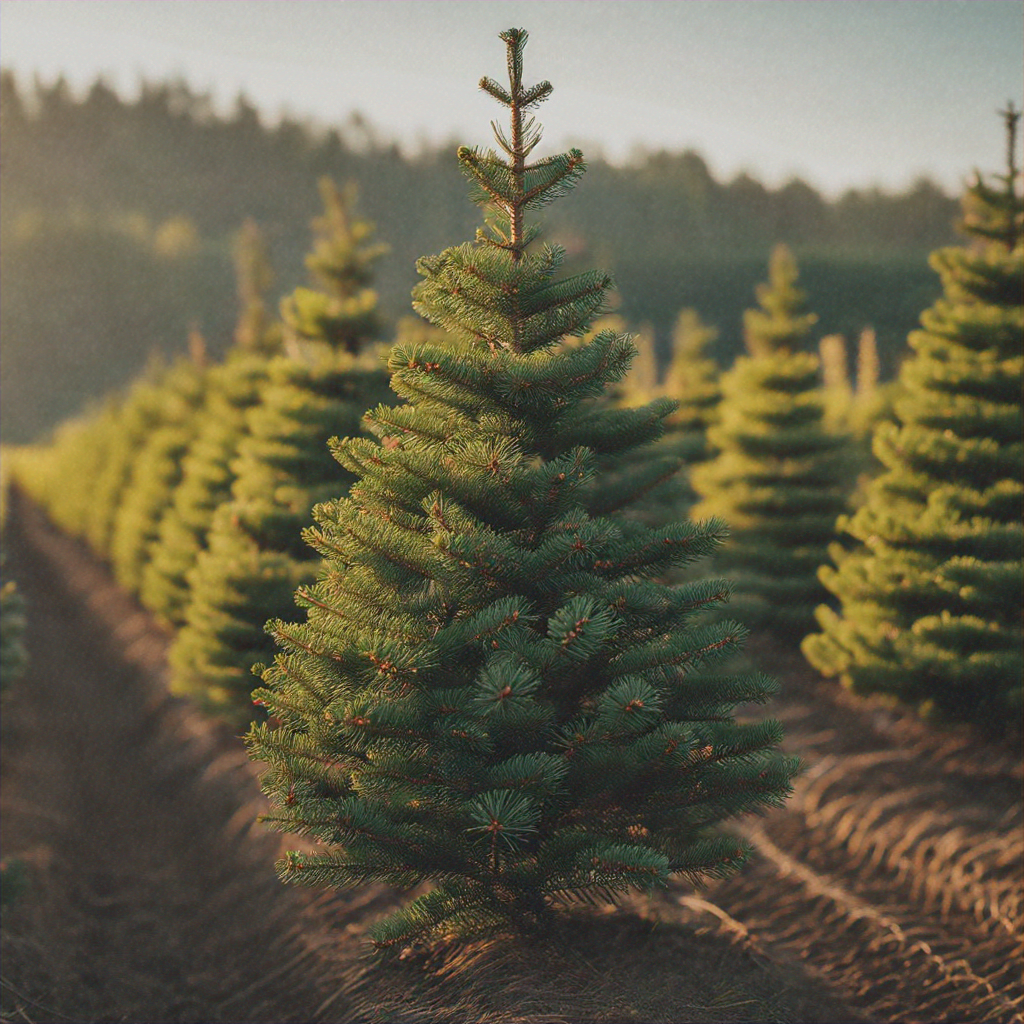
Korean Fir Plant Doctor & Care in United States: Expert Guide, Best Practices & Pro Tips
In the diverse landscape of the United States, the Korean fir (Abies koreana) has found a captivating niche, captivating nature enthusiasts and gardeners alike. As an evergreen conifer native to the mountains of the Korean Peninsula, this majestic tree has adapted remarkably well to various regions within the United States, thriving in areas with cooler climates and higher elevations. In this comprehensive guide, we’ll delve into the world of Korean fir plant care, exploring expert insights, best practices, and pro tips to help you cultivate and maintain this stunning addition to your garden or landscape.
Understanding the Korean Fir
The Korean fir, also known as the Korean pine or Quelpaert fir, is a compact, slow-growing tree that can reach heights of 40 to 60 feet in its natural habitat. In the United States, however, it often remains more compact, typically reaching a maximum height of 30 to 40 feet. Its distinctive features include dense, dark green foliage and attractive purple-colored cones that mature to brown. The Korean fir is renowned for its resilience, cold hardiness, and ability to thrive in a variety of soil conditions, making it a popular choice for landscaping and gardening in cooler regions of the country.
Planting and Site Selection
When it comes to planting a Korean fir, it’s essential to choose the right site that caters to its specific needs. These trees prefer well-drained, acidic soil with a pH range of 5.0 to 6.5. They thrive in locations that receive partial to full sun exposure, with a minimum of 6 hours of direct sunlight per day.
In the United States, the Korean fir is best suited for USDA Hardiness Zones 5 through 7, where the climate is cool and relatively moist. Areas with hot, dry summers or extended periods of intense heat can be challenging for this tree, as it is sensitive to drought and heat stress.
When planting, it’s recommended to select a location that offers protection from strong winds, as the Korean fir’s shallow root system can make it susceptible to toppling in high-wind conditions. Additionally, planting the tree in a spot with good air circulation can help prevent the buildup of moisture, reducing the risk of fungal diseases.
Caring for Korean Firs
Watering and Soil Maintenance
Proper watering is crucial for the well-being of Korean firs. These trees prefer consistently moist, but not waterlogged, soil. During the growing season, water the tree deeply, ensuring the soil is saturated to a depth of at least 6 inches. Avoid allowing the soil to dry out completely, as this can lead to stress and potential health issues.
In terms of soil maintenance, consider amending the planting area with organic matter, such as compost or peat moss, to maintain the acidic soil conditions preferred by Korean firs. Regularly check the soil pH and make adjustments as needed to keep it within the optimal range.
Fertilization and Pruning
Korean firs benefit from light fertilization in early spring, using a balanced, slow-release fertilizer formulated for evergreen trees. Avoid using high-nitrogen fertilizers, as they can promote excessive foliage growth at the expense of the tree’s overall health.
Pruning is typically minimal for Korean firs, as they naturally maintain a compact, pyramidal shape. However, it’s essential to remove any dead, damaged, or crossing branches to maintain the tree’s overall structure and appearance. Prune in late winter or early spring, before new growth emerges.
Cold and Heat Protection
The Korean fir is well-suited to colder climates, but it can still benefit from additional protection during harsh winters. Consider applying a layer of mulch around the base of the tree, extending out to the drip line, to insulate the roots and prevent frost damage. In regions with heavy snowfall, gently brush off any accumulated snow to prevent branch breakage.
In areas with hot, dry summers, the Korean fir may require some shading or protection from direct sunlight during the hottest hours of the day. This can be achieved by strategically placing the tree in a location with partial shade or erecting a temporary shade structure during the summer months.
Common Pests and Diseases
While the Korean fir is generally a hardy and disease-resistant tree, it can still be susceptible to certain pests and diseases, particularly in less-than-ideal growing conditions. Some common issues to watch out for include:
- Adelgids: These small, sap-sucking insects can cause needle discoloration and dieback if left unchecked. Monitor for signs of infestation and treat with appropriate insecticidal sprays or horticultural oils.
- Needle Cast Diseases: Various fungal diseases, such as Rhizosphaera needle cast and Lophodermium needle cast, can cause premature needle loss and discoloration. Maintain good air circulation around the tree and consider fungicide applications if necessary.
- Canker Diseases: Canker-causing fungi, such as Nectria canker, can infect the tree’s bark and branches, leading to dieback. Prune and remove any affected areas, and consider applying a fungicide to prevent further spread.
- Drought Stress: Prolonged periods of drought can weaken the tree, making it more susceptible to pests and diseases. Ensure proper watering and mulching to maintain soil moisture.
Regular monitoring and prompt action are key to preventing and managing any pest or disease issues that may arise with your Korean fir.
Propagation and Cultivation Considerations
For those interested in propagating Korean firs, the most common method is through seed germination. Collect the cones in the fall, extract the seeds, and stratify them by placing them in a moist, cool environment (such as a refrigerator) for several months before sowing. Germination can be a slow process, taking several weeks to several months, but it’s a rewarding way to grow your own Korean fir trees.
Another option for propagation is through vegetative means, such as cuttings or grafting. This can be a more challenging and time-consuming process, often requiring specialized techniques and equipment. It’s generally recommended to consult with a local nursery or horticulturist for guidance on the best propagation methods for your specific climate and growing conditions.
When it comes to cultivating Korean firs, it’s important to consider their slow growth rate. These trees can take several years to reach their full size, so patience and long-term planning are essential. Additionally, Korean firs may require some protection and specialized care during their early years, particularly in terms of watering, soil management, and cold protection.
Landscape Design and Ideal Uses
The Korean fir’s compact, pyramidal shape and attractive foliage make it a versatile choice for landscape design in the United States. These trees can be used as specimen plantings, providing a striking focal point in gardens or along property borders. They also work well in naturalistic settings, blending seamlessly with other evergreen species and complementing the surrounding environment.
Korean firs can also be incorporated into residential and commercial landscaping, serving as foundation plantings, windbreaks, or privacy screens. Their relatively small size and slow growth rate make them a suitable choice for urban and suburban settings where space is limited.
In addition to their ornamental value, Korean firs can also play a role in ecological conservation efforts, providing valuable habitat and food sources for local wildlife. Their dense foliage and sturdy branches offer shelter and nesting opportunities for birds and other small animals.
Conclusion
The Korean fir, with its distinctive beauty and hardiness, has found a well-deserved place in the diverse landscapes of the United States. By understanding its specific needs and following best practices in planting, care, and cultivation, gardeners and landscape professionals can successfully integrate this captivating conifer into their projects, enhancing the natural beauty and ecological value of the areas they cultivate. Whether you’re a seasoned plant enthusiast or a newcomer to the world of Korean firs, this comprehensive guide has equipped you with the knowledge and tips to become a true “plant doctor” for this remarkable tree.

