
Growing Korean Fir – Plant Doctor & Care for India: Complete Guide & Best Practices
In the diverse tapestry of the plant kingdom, the Korean Fir (Abies koreana) stands out as a captivating evergreen tree that has found a niche in the hearts of gardeners and landscapers. Hailing from the mountainous regions of the Korean Peninsula, this hardy species has adapted to thrive in various climates, making it an increasingly popular choice for gardeners in India. In this comprehensive guide, we delve into the world of the Korean Fir, exploring its cultivation, care, and best practices to help you unlock the secrets to its successful growth in the Indian subcontinent.
Understanding the Korean Fir
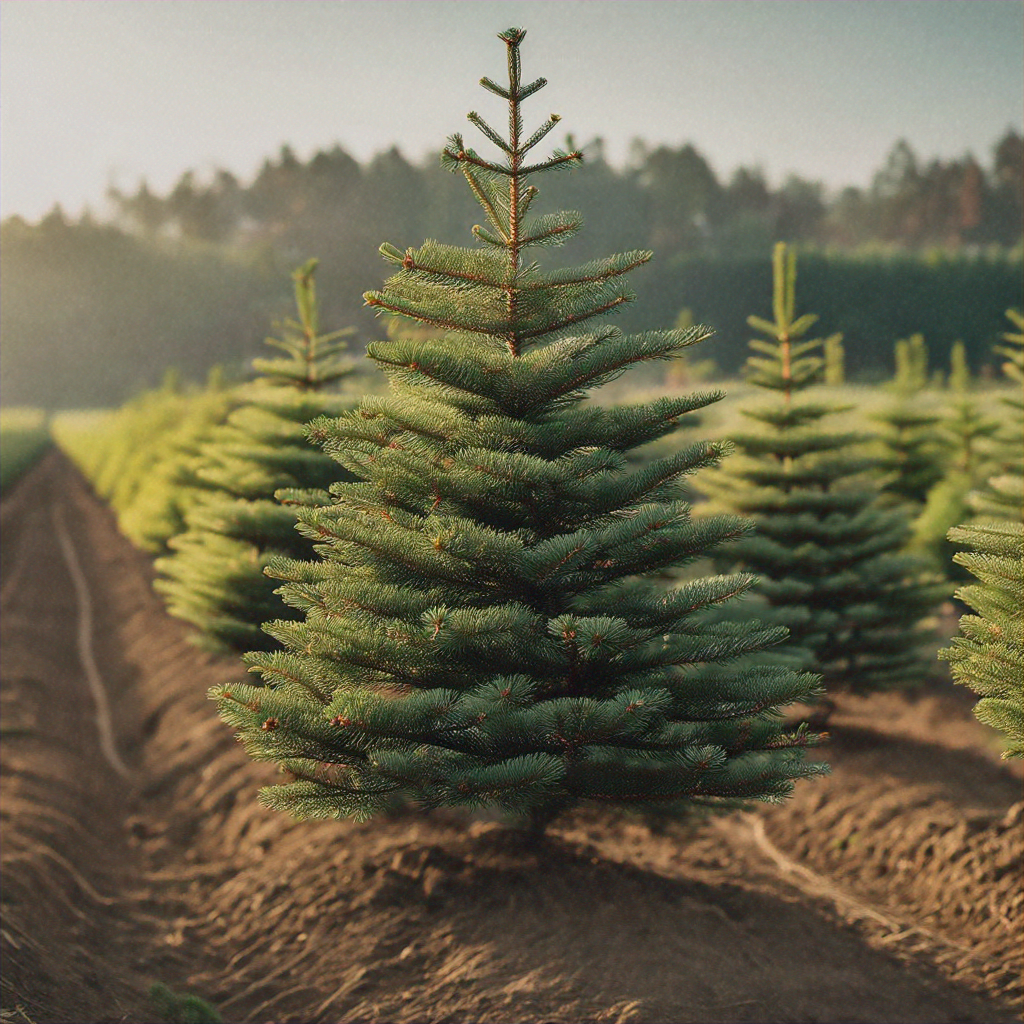
The Korean Fir, also known as the Korean Balsam Fir, is a small to medium-sized evergreen tree that can reach heights of up to 20 meters (65 feet) in its natural habitat. Its distinctive features include dense, pyramidal or conical growth, dark green needles that are silvery-white underneath, and distinctive cone-like structures that add to its ornamental appeal.
In India, the Korean Fir thrives in the cooler, mountainous regions, particularly in the Himalayan states and hill stations. These areas provide the ideal growing conditions, with well-drained soil, moderate temperatures, and adequate rainfall, allowing the Korean Fir to flourish and showcase its natural beauty.
Cultivation and Planting
Successful cultivation of the Korean Fir in India begins with proper site selection and planting techniques. Here are the key steps to consider:
- Site Selection: Choose a location that receives partial to full sun exposure, with well-drained soil that is slightly acidic (pH 5.5 to 6.5). Avoid areas with heavy clay or waterlogged soil, as the Korean Fir is susceptible to root rot.
- Planting: Plant the Korean Fir in the early spring or late fall, when the soil is moist but not saturated. Dig a hole twice the width of the root ball and plant the tree at the same depth it was growing in the nursery. Gently backfill the soil, ensuring there are no air pockets.
- Spacing: Allow ample space between trees, as the Korean Fir can spread up to 6 meters (20 feet) in width. A spacing of 4 to 6 meters (13 to 20 feet) is recommended to prevent overcrowding and allow for proper air circulation.
Care and Maintenance
Caring for the Korean Fir in India requires attention to several essential factors, including watering, fertilization, pruning, and protection from pests and diseases.
Watering
The Korean Fir prefers consistently moist, well-drained soil. During the first year after planting, water the tree deeply and regularly, ensuring the soil remains moist but not waterlogged. Established trees can tolerate periods of drought but may benefit from occasional watering, especially during the hot, dry summer months.
Fertilization
To support the Korean Fir’s growth and maintain its vibrant foliage, apply a balanced, slow-release fertilizer in early spring. Use a fertilizer formulated for evergreen trees, following the manufacturer’s instructions for application rates and timing. Avoid over-fertilizing, as this can lead to excessive growth and decreased disease resistance.
Pruning
Pruning the Korean Fir is essential to maintain its natural, pyramidal shape and encourage healthy growth. Prune in late winter or early spring before new growth appears. Remove any dead, damaged, or diseased branches, as well as any competing leaders or crossing branches. Avoid cutting the central leader, as this can disrupt the tree’s natural form.
Pest and Disease Management
The Korean Fir is generally hardy and resistant to most pests and diseases, but it can be susceptible to certain issues in the Indian climate. Keep an eye out for common problems such as spider mites, scale insects, and fungal diseases like needle blight and root rot. Promptly address any infestations or infections to prevent the spread and maintain the tree’s health.
Cultivars and Varieties
While the standard Korean Fir (Abies koreana) is the most widely cultivated form, there are several cultivars and varieties that offer unique characteristics and visual appeal:
- Abies koreana ‘Silberlocke’: This cultivar features striking silver-blue foliage that adds a captivating contrast to the landscape.
- Abies koreana ‘Horstmann’s Silberlocke’: Similar to ‘Silberlocke,’ this variety boasts even more intense silver-blue needles and a more compact growth habit.
- Abies koreana ‘Aurea’: Known for its golden-yellow foliage, this cultivar provides a warm, vibrant accent in the garden.
- Abies koreana ‘Kohout’s Forest Growt’: This variety exhibits a more upright, columnar growth form, making it a suitable choice for tight spaces or formal plantings.
Landscaping and Design Applications
The versatility of the Korean Fir makes it a valuable asset in various landscaping and design applications. Its compact size, elegant form, and rich foliage color make it an excellent choice for the following uses:
- Specimen Trees: The Korean Fir’s striking appearance and unique characteristics make it an ideal focal point or specimen tree in gardens, parks, and estates.
- Hedges and Screens: Planted in rows or groups, Korean Firs can form dense, evergreen hedges or screens that provide privacy and visual interest.
- Foundation Plantings: The Korean Fir’s compact size and low-maintenance nature make it a suitable choice for planting near building foundations or entryways.
- Slope and Erosion Control: The Korean Fir’s deep, fibrous root system can help stabilize slopes and prevent soil erosion, making it a valuable choice for landscaping in hilly or mountainous regions.
- Winter Interest: The Korean Fir’s lush, green foliage and distinctive cones provide year-round visual appeal, particularly in the winter when other plants have gone dormant.
Propagation and Availability
Propagating the Korean Fir in India can be achieved through several methods, including seed sowing, cuttings, and grafting. While seed propagation is the most common approach, it can be a relatively slow process. Vegetative propagation techniques, such as taking cuttings or grafting, can produce faster-growing, true-to-type plants.
The availability of Korean Fir plants in India may vary depending on the region and local nurseries. While the species is not as widely cultivated as some other ornamental trees, it is gaining popularity and can often be found in specialty nurseries or through online plant retailers. It’s essential to source plants from reputable suppliers to ensure the health and quality of the Korean Fir specimens.</
Conclusion
The Korean Fir is a captivating evergreen tree that has found a niche in the diverse landscapes of India. With its striking appearance, versatile design applications, and relatively low-maintenance requirements, the Korean Fir is a valuable addition to gardens, parks, and landscaping projects across the country.
By understanding the cultivation, care, and best practices outlined in this guide, gardeners and landscapers in India can unlock the full potential of the Korean Fir and enjoy its beauty for years to come. Whether as a specimen tree, a hedging plant, or a foundation planting, the Korean Fir is a testament to the wonders of the natural world and the harmonious integration of diverse flora into our living spaces.

