
Mastering the Art of Growing Korean Fir in Asia: A Plant Doctor’s Guide
In the vast and captivating world of horticulture, the Korean fir (Abies koreana) stands out as a true gem, captivating the hearts of gardeners and nature enthusiasts alike. This evergreen conifer, native to the mountainous regions of the Korean Peninsula, is renowned for its striking foliage, compact growth, and exceptional resilience. If you’re a gardener or landscaper in Asia, mastering the art of growing Korean fir can be a rewarding and enriching experience. In this comprehensive guide, we’ll delve into the essential aspects of Korean fir cultivation, straight from the expertise of a seasoned plant doctor.
Understanding the Korean Fir
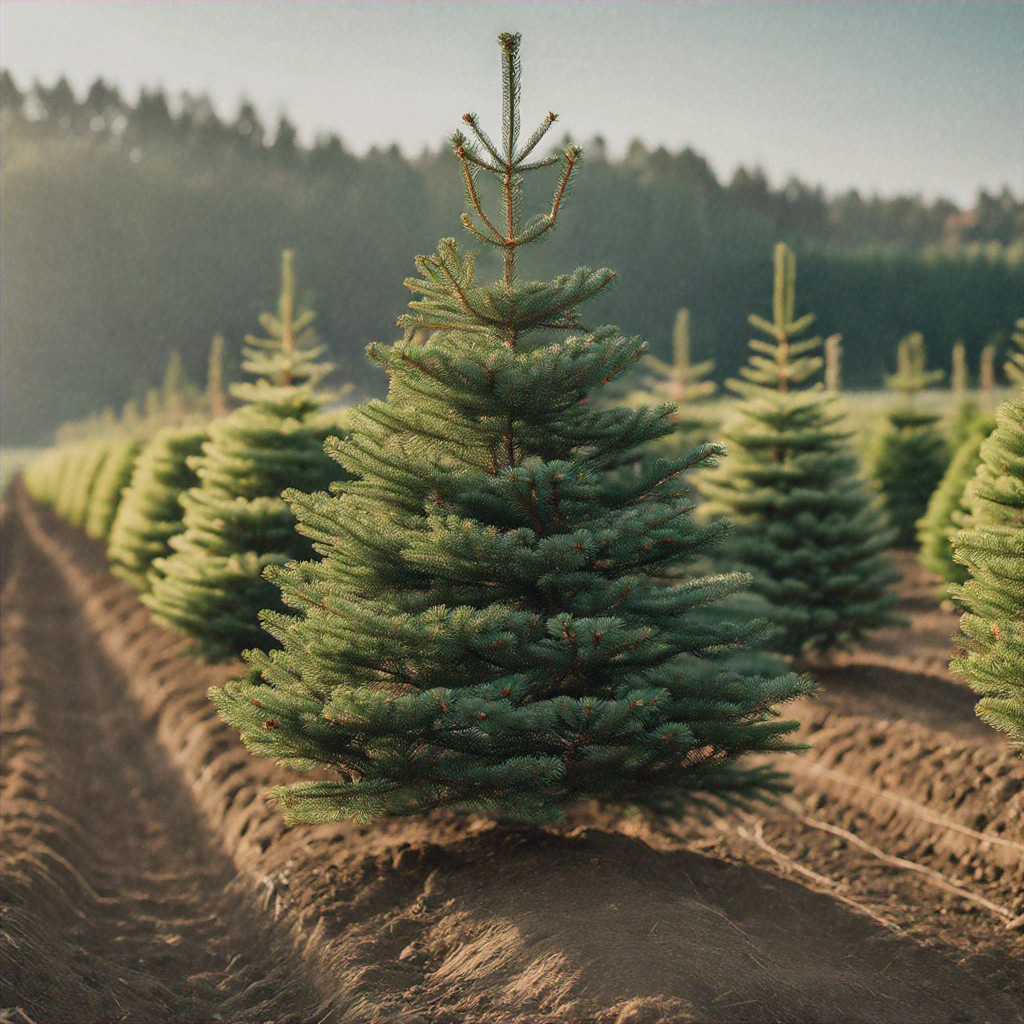
The Korean fir is a small to medium-sized tree, typically reaching a height of 10-15 meters (32-49 feet) in its natural habitat. Its needles are dark green on the upper surface and silvery-white on the underside, creating a captivating contrast that adds depth and texture to any landscape. These trees are known for their adaptability, thriving in a wide range of climates, from cool, humid regions to drier, mountainous areas.
One of the key features that make the Korean fir a popular choice among gardeners is its compact, pyramidal growth habit. Unlike many other fir species, the Korean fir maintains a tidy, well-defined form, making it an excellent choice for smaller gardens, foundation plantings, and even container gardens.
Site Selection and Soil Preparation
When it comes to growing Korean fir in Asia, selecting the right planting site is crucial. These trees prefer well-drained, acidic soils with a pH range of 5.0 to 6.5. Avoid areas with heavy, clay-like soil or those prone to waterlogging, as the Korean fir is susceptible to root rot in such conditions.
Prior to planting, it’s recommended to amend the soil with organic matter, such as compost or well-rotted manure, to improve drainage and nutrient content. This will provide the Korean fir with the optimal growing environment, ensuring its long-term health and vigor.
Planting and Transplanting
The ideal planting time for Korean fir in Asia is typically in the spring or early fall, when the soil is moist and temperatures are moderate. When transplanting, it’s crucial to handle the delicate root system with care, as Korean fir can be sensitive to transplant shock.
Dig a planting hole that is twice the width of the root ball and slightly shallower. This will allow the roots to spread out and establish a strong foundation. Carefully place the plant in the hole, making sure the top of the root ball is level with the surrounding soil. Backfill with the original soil, gently tamping it down to eliminate any air pockets.
After planting, water the soil thoroughly to settle the roots and provide the necessary moisture. It’s essential to maintain consistent soil moisture, especially during the first year, to help the Korean fir establish its root system.
Ongoing Care and Maintenance
Proper care and maintenance are key to the long-term success of growing Korean fir in Asia. Here are some essential tips to ensure your Korean fir thrives:
- Watering: Korean fir prefers consistent moisture, especially during the growing season. Water the plant deeply, making sure the soil is allowed to dry slightly between waterings. Avoid overwatering, as this can lead to root rot.
- Mulching: Apply a 2-3 inch layer of organic mulch, such as wood chips or bark, around the base of the tree. This helps retain soil moisture, suppress weeds, and insulate the roots from temperature extremes.
- Fertilizing: Korean fir benefits from light, balanced fertilization in the early spring. Use a slow-release, acidic-based fertilizer to provide essential nutrients and maintain the preferred soil pH.
- Pruning: Prune your Korean fir in late winter or early spring before new growth appears. Remove any dead, damaged, or crossing branches to maintain the tree’s natural form and encourage healthy growth.
- Sun Exposure: Korean fir thrives in full sun to partial shade. Provide at least 6 hours of direct sunlight per day for optimal growth and needle color.
- Winter Protection: In regions with harsh winters, consider providing some protection for your Korean fir, such as a burlap wrap or wind barrier, to prevent frost damage and desiccation.
Common Challenges and Pests
While the Korean fir is generally a hardy and low-maintenance tree, it can face a few challenges that gardeners should be aware of:
- Needle Discoloration: If the needles of your Korean fir begin to turn yellow or brown, this could be a sign of environmental stress, nutrient deficiency, or pest infestation. Adjust watering, fertilization, or consider treating for any pests.
- Root Rot: As mentioned earlier, poor drainage and overwatering can lead to root rot, a serious fungal disease that can quickly compromise the health of your Korean fir. Ensure the soil is well-draining and avoid waterlogging.
- Aphids and Spider Mites: These common pests can infest Korean fir trees, causing needle discoloration, stunted growth, and even tree decline. Monitor your tree regularly and treat any infestations promptly with appropriate insecticidal or biological control methods.
- Winter Desiccation: In areas with harsh winters, the Korean fir can suffer from desiccation, where the needles turn brown and the tree appears stressed. Providing winter protection, such as a windbreak or burlap wrap, can help mitigate this issue.
The Benefits of Growing Korean Fir
Beyond its aesthetic appeal, growing Korean fir in Asia offers a range of benefits that make it a valuable addition to any landscape:
- Air Purification: Like many conifers, the Korean fir is an effective air purifier, removing pollutants and improving indoor and outdoor air quality.
- Erosion Control: The Korean fir’s deep, extensive root system makes it an excellent choice for stabilizing slopes and preventing soil erosion, particularly in mountainous regions.
- Windbreak and Privacy: The compact, pyramidal growth habit of the Korean fir makes it an ideal choice for creating natural windbreaks and providing privacy in residential or commercial settings.
- Wildlife Habitat: The dense foliage and shelter provided by the Korean fir make it an attractive habitat for various birds, small mammals, and other wildlife, contributing to the biodiversity of the local ecosystem.
- Ornamental Value: With its striking foliage, compact form, and year-round visual interest, the Korean fir is a highly sought-after ornamental tree, perfect for enhancing the beauty of gardens, parks, and landscapes.
Conclusion
Mastering the art of growing Korean fir in Asia is a rewarding journey that can transform your outdoor spaces into verdant, captivating sanctuaries. By understanding the specific needs and requirements of this remarkable tree, you can ensure its long-term health and vibrancy, while also reaping the numerous benefits it offers. Whether you’re a seasoned gardener or a newcomer to horticulture, the Korean fir is a tree that deserves a place in your Asian landscape. With the right care and attention, you can create a beautiful, sustainable, and thriving environment that will delight you and the local wildlife for years to come.

