
Mastering the Art of Korean Fir Care: A Global Guide to Thriving Plants
Amidst the diverse and captivating world of horticulture, the Korean fir stands out as a true gem, captivating the hearts of plant enthusiasts across the globe. Whether you’re a seasoned green thumb or a budding gardener, understanding the unique needs and care requirements of this majestic tree is essential for cultivating a thriving and vibrant addition to your landscape. In this comprehensive guide, we’ll delve into the step-by-step essentials of Korean fir plant care, offering insights and tips to help you maximize the yield and well-being of these remarkable specimens.
Understanding the Korean Fir: Botanical Characteristics and Habitat
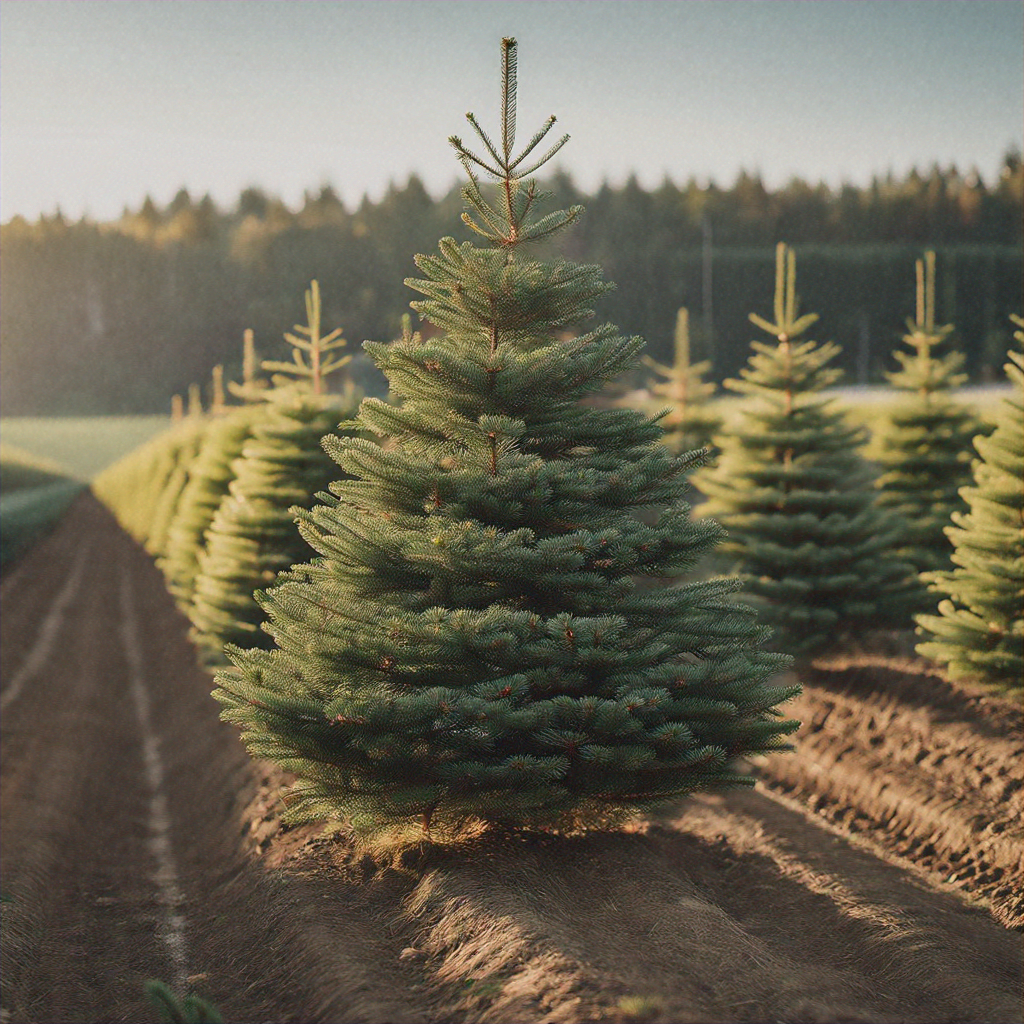
The Korean fir, scientifically known as Abies koreana, is a coniferous tree native to the mountainous regions of the Korean Peninsula. Belonging to the Pinaceae family, this evergreen species is renowned for its distinctive needle-like foliage and elegant, pyramidal shape. With its deep green hues and stunning silver-blue tones, the Korean fir is a true standout in any garden or landscape.
In its natural habitat, the Korean fir thrives in cool, temperate climates, often found at elevations ranging from 1,000 to 1,800 meters above sea level. The species has adapted to withstand the harsh, snowy winters and mild summers of its native environment, making it a resilient and adaptable choice for gardeners in similar climatic zones.
Site Selection and Soil Preparation for Korean Fir
Choosing the right planting location is crucial for the success of your Korean fir. These trees prefer well-drained, acidic soils with a pH range between 5.0 and 6.5. Avoid areas with heavy, compacted clay or overly sandy soils, as they can lead to drainage issues and nutrient deficiencies.
When preparing the planting site, aim for a spot that receives partial shade to full sun exposure, depending on your local climate. In warmer regions, a bit more shade can help prevent heat stress and sun scald. Ensure the area provides ample room for the tree to grow, as Korean firs can reach heights of up to 15 meters (50 feet) and have a spread of up to 8 meters (26 feet).
Prior to planting, amend the soil with organic matter, such as compost or well-rotted manure, to improve drainage and nutrient content. This will create a nurturing environment for the Korean fir’s delicate root system to establish and thrive.
Planting and Transplanting Korean Fir
The optimal time to plant or transplant a Korean fir is during the cool, moist seasons of spring or fall. This allows the tree to establish its roots before facing the extremes of summer heat or winter cold.
When planting, dig a hole that is two to three times the width of the root ball and only slightly deeper. Gently place the tree in the hole, ensuring that the top of the root ball is level with the surrounding soil. Backfill the hole with the amended soil, taking care not to bury the trunk or compact the soil too tightly.
If transplanting an established Korean fir, take extra care to preserve as much of the root system as possible. Dig a wide, shallow trench around the tree, extending at least 1.5 times the diameter of the canopy. Carefully lift the tree, avoiding damage to the roots, and replant it in the prepared hole, following the same guidelines as for a new planting.
Watering and Irrigation for Korean Fir
Maintaining consistent soil moisture is essential for the well-being of Korean firs. These trees require regular watering, particularly during periods of drought or high temperatures. Aim to keep the soil consistently moist, but not waterlogged, by providing approximately 2-3 inches of water per week.
It’s important to note that the Korean fir is sensitive to both over-watering and under-watering. Observe the tree’s foliage for signs of stress, such as wilting, discoloration, or needle drop, and adjust your watering regimen accordingly.
In regions with heavy rainfall or high humidity, it’s crucial to ensure proper drainage to prevent root rot and other fungal diseases. Consider installing raised planting beds or amending the soil with sand or gravel to improve water infiltration and prevent standing water.
Fertilizing and Nutrient Management
Korean firs thrive in soils rich in organic matter and balanced nutrients. To maintain the optimal growing conditions, apply a slow-release, balanced fertilizer in early spring, following the manufacturer’s instructions for the appropriate application rate and frequency.
Alternatively, you can opt for a more natural approach by top-dressing the soil around the tree’s drip line with a 2-3 inch layer of well-decomposed compost or aged manure. This organic matter will slowly release essential nutrients and improve the soil’s structure and water-holding capacity.
It’s important to monitor the tree’s foliage and growth for any signs of nutrient deficiencies, such as yellowing needles or stunted growth. If deficiencies are observed, consider supplementing with a targeted fertilizer or amending the soil accordingly.
Pruning and Shaping Korean Fir
Proper pruning and shaping techniques are essential for maintaining the Korean fir’s natural, pyramidal form and encouraging healthy growth. The best time to prune is during the dormant season, typically in late winter or early spring, before new growth emerges.
When pruning, focus on removing any dead, damaged, or diseased branches, as well as any competing leaders that may disrupt the tree’s central leader. Gently shape the tree by selectively thinning out interior branches to allow for air circulation and light penetration.
It’s important to use sharp, clean pruning tools and make clean, angled cuts just above an outward-facing bud or branch. Avoid leaving large, exposed wounds, as these can be susceptible to disease and pests.
Pest and Disease Management
Korean firs are generally hardy and resistant to many common pests and diseases, but they are not entirely immune. Some of the potential issues to watch out for include:
- Needle Cast Diseases: Caused by various fungal pathogens, these diseases can lead to premature needle loss and overall tree decline. Maintain good air circulation and avoid overwatering to prevent the spread of these diseases.
- Aphids and Scale Insects: These sap-sucking pests can weaken the tree and make it more susceptible to other issues. Monitor for signs of infestation and treat with appropriate, eco-friendly insecticides if necessary.
- Winter Burn: Prolonged exposure to cold, dry winds can cause the needles to turn brown and become desiccated. Protect the tree with burlap or other wind barriers during harsh winter weather.
- Deer and Rodent Damage: Deer, rabbits, and other herbivores may feed on the tender foliage and bark of Korean firs. Consider installing physical barriers, such as fencing or tree guards, to prevent this type of damage.
By regularly inspecting your Korean fir and addressing any issues promptly, you can maintain the health and vigor of these beautiful trees for years to come.
Maximizing Yield and Aesthetic Appeal
While Korean firs are primarily grown for their ornamental value, with the right care and attention, you can also maximize their yield and overall aesthetic appeal.
To encourage robust growth and dense foliage, consider applying a balanced, slow-release fertilizer in early spring, as mentioned earlier. This will provide the tree with the necessary nutrients to support healthy development throughout the growing season.
Pruning, as discussed, is also crucial for maintaining the Korean fir’s signature pyramidal shape and promoting lateral branch growth, which can enhance its visual appeal. Regularly removing any dead or damaged branches will also help to showcase the tree’s natural beauty.
In terms of yield, Korean firs are not typically grown for their timber or other commercial products. However, their distinctive cones and beautiful foliage can be harvested and used in various decorative and craft applications, such as wreaths, garlands, and holiday decorations.
By following the guidelines outlined in this comprehensive guide, you can cultivate thriving Korean fir specimens that not only enhance the beauty of your landscape but also provide a sustainable source of natural materials for your creative endeavors.

