
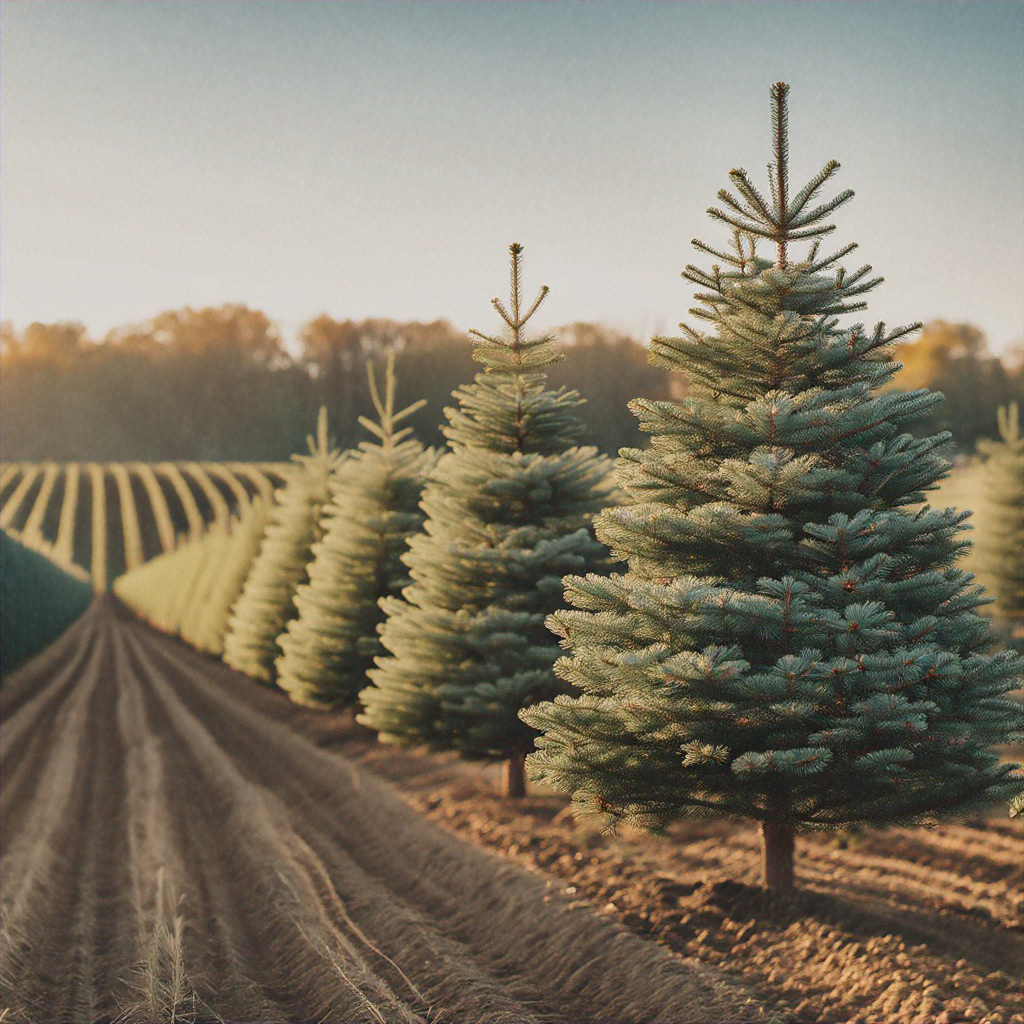
Korean Fir Intelligent Growth Guide in Illinois: Expert Guide, Best Practices & Pro Tips
As the world grapples with the challenges of sustainable agriculture and environmental conservation, the importance of intelligent growth practices for essential plant species has never been more crucial. In this comprehensive guide, we delve into the expert knowledge and best practices for cultivating the Korean Fir, a resilient and valuable tree species, within the unique climate and conditions of Illinois.
The Korean Fir (Abies koreana), a member of the Pinaceae family, is a majestic coniferous tree native to the mountainous regions of the Korean Peninsula. Known for its striking blue-green foliage, compact growth habit, and exceptional cold tolerance, this species has gained increasing popularity as a landscape and ornamental tree, particularly in regions with colder climates, such as Illinois.
Understanding the Korean Fir in Illinois
Illinois, with its diverse geographical features and temperate continental climate, presents both opportunities and challenges for the successful cultivation of the Korean Fir. By understanding the specific needs and adaptations of this species, growers can maximize their chances of establishing thriving populations and promoting the overall well-being of the ecosystem.
Climate and Soil Requirements
The Korean Fir thrives in cool, humid climates with well-distributed rainfall throughout the year. In Illinois, the species can generally be grown in USDA Hardiness Zones 5-7, with the northern regions of the state providing the most suitable growing conditions.
When it comes to soil, the Korean Fir prefers well-drained, acidic soils with a pH range of 4.5 to 6.0. It grows best in loamy or sandy loam soils that are rich in organic matter, ensuring adequate moisture retention and nutrient availability.
Site Selection and Planting
Carefully selecting the planting site is crucial for the long-term success of Korean Fir trees in Illinois. These trees thrive in areas that receive partial to full sun exposure, with at least 6 hours of direct sunlight per day. Avoid planting in low-lying areas prone to frost pockets or waterlogged conditions, as the Korean Fir is sensitive to excessive moisture and poor drainage.
When planting, ensure that the root ball is placed at the same depth as it was in the nursery container or burlap. Backfill the planting hole with the original soil, gently tamping it down to eliminate air pockets. Mulch the area around the tree, keeping the mulch several inches away from the trunk to prevent rot and disease.
Irrigation and Watering
Proper irrigation is essential for the establishment and continued growth of Korean Fir trees in Illinois. During the first year after planting, water the tree deeply and regularly, ensuring the soil remains consistently moist but not waterlogged. Once the tree is established, reduce watering frequency but maintain adequate soil moisture, especially during periods of drought or high temperatures.
Fertilization and Nutrient Management
Korean Firs generally have moderate fertilizer requirements, but the specific needs may vary depending on the soil conditions and the tree’s growth stage. In Illinois, a slow-release, balanced fertilizer with a ratio of 10-10-10 or 12-12-12 is recommended, applied in early spring before new growth emerges.
It’s important to avoid over-fertilizing, as excess nutrients can lead to excessive growth, making the tree more susceptible to pest and disease issues. Regularly test the soil to ensure the appropriate pH and nutrient levels are maintained.
Pruning and Maintenance
Proper pruning and maintenance practices are crucial for the long-term health and aesthetics of Korean Fir trees in Illinois. Prune in late winter or early spring before new growth appears, removing any dead, damaged, or crossing branches. Avoid pruning during the hot summer months, as this can stress the tree.
When pruning, make clean cuts just above an outward-facing bud or branch. This encourages the tree to maintain a balanced and symmetrical shape. Regularly remove any competing weeds or vegetation around the tree’s base to minimize competition for resources.
Pest and Disease Management
Korean Firs in Illinois can be susceptible to a range of pests and diseases, including spider mites, aphids, adelgids, and various fungal infections. Regularly inspect the trees for signs of pest infestations or disease and take swift action to address any issues.
Use integrated pest management (IPM) strategies, which combine cultural, biological, and selective chemical controls, to maintain the overall health and resilience of your Korean Fir trees. Consult with local extension services or experienced horticulturists for guidance on the most effective and environmentally-friendly pest and disease management techniques for your specific region.
Cold Weather and Winter Protection
The Korean Fir’s exceptional cold tolerance makes it a suitable choice for Illinois, but additional measures may be necessary to protect the trees during harsh winter conditions. Consider applying an anti-desiccant spray to the foliage in late fall to reduce moisture loss, and wrap the trunk and lower branches with burlap or tree wrap to prevent frost damage.
In areas prone to heavy snowfall, gently brush off any accumulated snow to prevent branch breakage. Mulching the root zone can also help insulate the roots and retain soil moisture during the winter months.
Conclusion
The Korean Fir’s adaptability and resilience make it a valuable addition to the agricultural landscape of Illinois, contributing to the overall well-being of the ecosystem and promoting sustainable land management practices.
By following the expert guidance and best practices outlined in this comprehensive guide, growers in Illinois can successfully cultivate thriving Korean Fir populations, ensuring the long-term preservation and responsible stewardship of this remarkable tree species.
Pro Tips for Korean Fir Success in Illinois
- Choose the right planting site to ensure optimal sun exposure and soil conditions.
- Establish a consistent watering schedule, especially during the first year after planting.
- Fertilize with a balanced, slow-release formula in early spring to support healthy growth.
- Prune judiciously in late winter or early spring to maintain the tree’s shape and vigor.</
- Monitor for pests and diseases, and implement integrated pest management strategies as needed.
- Protect the tree from harsh winter conditions by applying anti-desiccants and insulating the root zone.
- Collaborate with local extension services and horticultural experts to stay informed on the latest techniques and best practices.

