
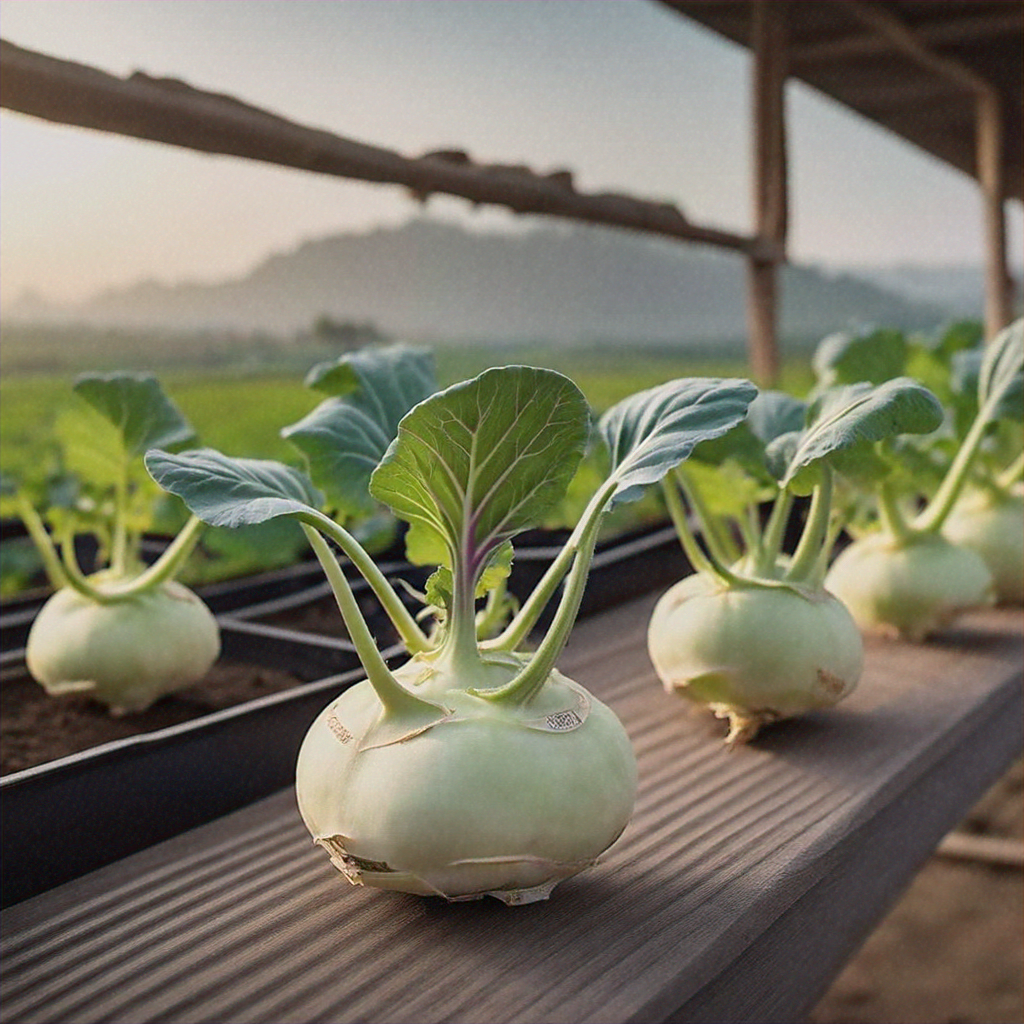
Balcony & Indoor Setup for Kohlrabi – Andhra Pradesh Guide: Step-by-Step & Yield Tips
In the bustling state of Andhra Pradesh, where agriculture is the backbone of its economy, the humble kohlrabi has found a special place in the hearts and gardens of many. This versatile vegetable, with its distinct bulbous shape and delicate flavor, is not only a nutritional powerhouse but also an increasingly popular choice for urban dwellers looking to grow their own produce, even in limited spaces like balconies and indoor setups.
In this comprehensive guide, we’ll dive into the step-by-step process of cultivating kohlrabi in your balcony or indoor space, along with valuable tips to maximize your yield and ensure a bountiful harvest. Whether you’re a seasoned gardener or a newcomer to the world of urban farming, this article will equip you with the knowledge and confidence to successfully grow kohlrabi in your Andhra Pradesh abode.
Choosing the Right Container and Soil
The first step in growing kohlrabi in a balcony or indoor setting is to select the appropriate container. Kohlrabi, with its moderate root system, thrives in containers that are at least 8 to 10 inches deep and 12 to 15 inches wide. This allows enough space for the bulb to develop without becoming crowded.
When it comes to soil, kohlrabi prefers a well-draining, nutrient-rich potting mix. Ensure that the soil is pH-balanced, with a range of 6.0 to 7.5 being ideal. You can mix in some compost or well-rotted manure to provide additional nutrients and improve soil structure.
Sowing and Germination
Kohlrabi can be sown directly in the container or started indoors and then transplanted. If starting indoors, sow the seeds in seed trays or small containers and keep them in a warm, well-lit area until the seedlings are ready to be transplanted, typically around 2-3 weeks after germination.
When planting directly in the container, sow the seeds about 1/2 inch deep and 4-6 inches apart. Keep the soil moist, but not waterlogged, until the seeds germinate, which usually takes 7-14 days, depending on the temperature and soil conditions.
Caring for Kohlrabi Plants
Once the kohlrabi seedlings have established themselves, it’s crucial to provide the right care and environment for optimal growth:
- Sunlight: Kohlrabi thrives in full sun, requiring at least 6 hours of direct sunlight per day. If growing indoors, place the plants near a south-facing window or supplement with grow lights.
- Water: Keep the soil consistently moist, but avoid waterlogging. Water the plants whenever the top inch of soil starts to dry out. Adjust watering as needed based on the plant’s growth stage and environmental conditions.
- Fertilization: Apply a balanced, slow-release fertilizer every 4-6 weeks to provide the necessary nutrients for healthy growth. Alternatively, you can use a liquid fertilizer diluted to half-strength and apply it every 2-3 weeks.
- Thinning: Once the seedlings have developed their first true leaves, thin them out to maintain a spacing of 8-10 inches between plants. This will allow each kohlrabi bulb to grow to its full potential.
- Pest and Disease Management: Keep an eye out for common pests like aphids, cabbage worms, and diseases like downy mildew. Regularly inspect the plants and take appropriate action, such as using organic pest control methods or applying a fungicide, if necessary.
Harvesting and Yield Maximization
The kohlrabi bulb is the primary edible part of the plant, and it’s crucial to harvest it at the right time to ensure optimal flavor and texture. The best time to harvest kohlrabi is when the bulb is 2-3 inches in diameter, usually about 50-60 days after sowing the seeds.
To harvest, simply pull the plant out of the soil, ensuring that you don’t damage the bulb. Trim off the leaves and stems, leaving about an inch of the stem attached to the bulb. Store the harvested kohlrabi in the refrigerator for up to 1 week, or process and consume it immediately for the best flavor and nutritional value.</
To maximize your kohlrabi yield, consider the following tips:
- Succession Planting: Sow seeds every 2-3 weeks to have a continuous supply of fresh kohlrabi throughout the growing season.
- Variety Selection: Choose a fast-maturing variety like ‘Early White Vienna’ or ‘Purple Vienna’ for a quicker harvest in your balcony or indoor setup.
- Optimal Spacing: Ensure that the plants have enough room to grow by maintaining the recommended spacing of 8-10 inches between each plant.
- Companion Planting: Consider growing kohlrabi alongside compatible plants, such as radishes or lettuces, to maximize the use of your limited space and potentially deter pests.
- Microclimate Adjustments: If growing kohlrabi indoors or in a shaded balcony, use reflective surfaces or supplemental lighting to ensure the plants receive adequate sunlight.
Culinary Delights and Nutritional Benefits
Kohlrabi is a versatile vegetable that can be enjoyed in a variety of culinary preparations. The bulb can be eaten raw, sliced into salads, or cooked in a variety of ways, such as roasting, steaming, or sautéing. The leaves can also be consumed, either cooked or added to dishes for an extra nutritional boost.
Nutritionally, kohlrabi is a powerhouse, packed with essential vitamins and minerals. It is an excellent source of vitamin C, providing over 60% of the recommended daily intake in just one cup of raw kohlrabi. Additionally, it contains significant amounts of vitamin B6, potassium, and fiber, making it a valuable addition to a balanced diet.
By growing your own kohlrabi in your balcony or indoor space, you can enjoy the satisfaction of harvesting fresh, nutrient-dense produce right from your own backyard (or balcony!). With a little bit of planning and care, you can reap the benefits of this unique and flavorful vegetable, contributing to your overall health and well-being.

