Growing Kohlrabi – Balcony & Indoor Setup for Karnataka: Complete Guide & Best Practices
Kohlrabi, a member of the cabbage family, is a unique and versatile vegetable that can thrive even in the limited space of a balcony or indoor setup. In the state of Karnataka, where the climate is generally warm and humid, growing kohlrabi can be a rewarding experience for both novice and experienced gardeners. This comprehensive guide will walk you through the complete process of setting up and maintaining a successful kohlrabi garden, whether you have a small balcony or an indoor growing space.
Understanding Kohlrabi
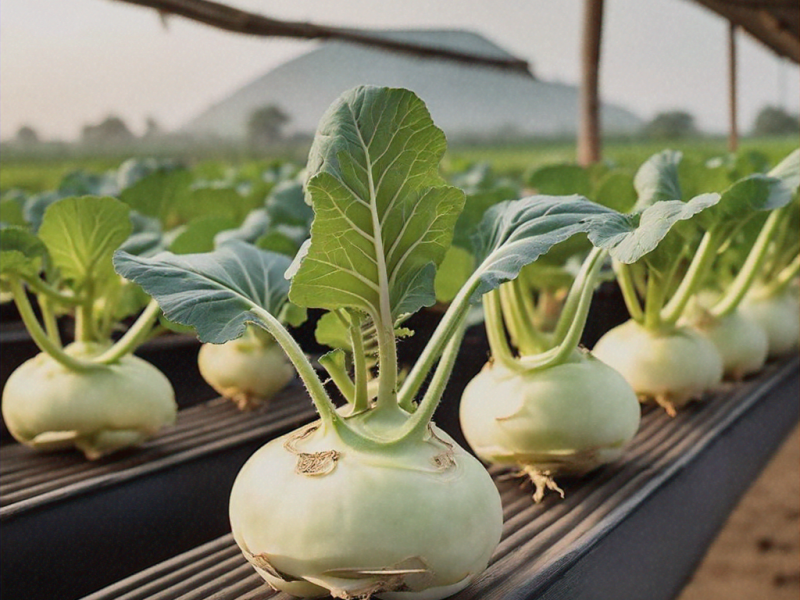
Kohlrabi, known as “Naavalakolu” in Kannada, is a cruciferous vegetable that is prized for its edible, bulbous stem. It has a mild, slightly sweet flavor and a crunchy texture that makes it a popular ingredient in many Indian dishes. Kohlrabi is rich in vitamins, minerals, and dietary fiber, making it a nutritious addition to any diet.
Balcony Setup
Balconies in Karnataka can provide the ideal environment for growing kohlrabi, as they often receive ample sunlight and can be easily protected from harsh weather conditions.
Choosing the Right Container
When setting up a kohlrabi garden on your balcony, the first step is to select the right container. Kohlrabi plants require a depth of at least 8 inches (20 cm) to accommodate their growing roots. Opt for a large, deep planter or a sturdy, food-grade plastic container. Ensure that the container has proper drainage holes to prevent waterlogging.
Soil Preparation
Kohlrabi thrives in well-draining, nutrient-rich soil. Mix together equal parts of compost, vermiculite, and a high-quality potting mix to create the perfect growing medium. Avoid using heavy, clay-based soils, as they can impede the growth of the kohlrabi bulb.
Planting and Spacing
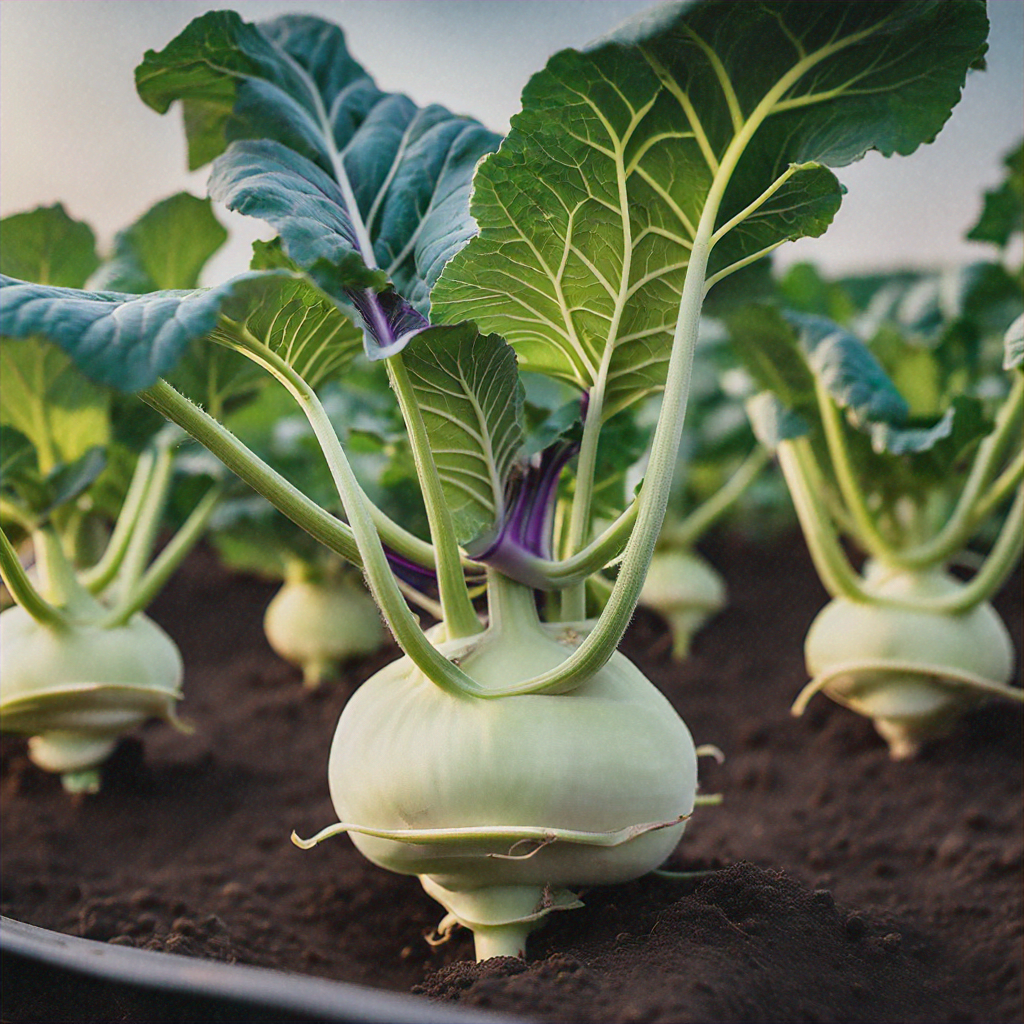
Plant your kohlrabi seeds or seedlings about 6-8 inches (15-20 cm) apart, ensuring that the top of the bulb is slightly above the soil level. This will allow the bulb to develop properly and prevent it from becoming woody.
Sunlight and Temperature
Kohlrabi requires at least 6 hours of direct sunlight per day for optimal growth. Ensure that your balcony setup receives ample sunlight throughout the day. In Karnataka’s warm climate, the ideal temperature range for growing kohlrabi is between 65°F to 75°F (18°C to 24°C).
Watering and Drainage
Maintain consistent moisture in the soil, but avoid overwatering. Water your kohlrabi plants when the top inch of soil becomes dry. Ensure that the container has adequate drainage to prevent waterlogging, which can lead to root rot and other issues.
Fertilizing
Kohlrabi plants are heavy feeders and benefit from regular fertilization. Apply a balanced, water-soluble fertilizer every two weeks, or use a slow-release organic fertilizer at the beginning of the growing season. This will ensure that your plants receive a steady supply of nutrients throughout their growth cycle.
Pest and Disease Management
Kohlrabi is generally resistant to many common pests and diseases, but it’s essential to be vigilant and address any issues promptly. Keep an eye out for aphids, cabbage worms, and powdery mildew, and take appropriate action as needed, such as using organic pest control methods or applying a fungicide.
Harvesting and Storage
Kohlrabi is ready to harvest when the bulb reaches 2-4 inches (5-10 cm) in diameter, usually around 50-70 days after planting. Gently loosen the soil around the bulb and pull it up, leaving the leaves intact. Trim the leaves and store the bulbs in the refrigerator for up to a week.
Indoor Growing
For those with limited outdoor space or in areas with harsh weather conditions, growing kohlrabi indoors can be a viable option. Follow these steps to set up a successful indoor kohlrabi garden:
Choosing the Right Location
Select a spot in your home that receives at least 6 hours of direct sunlight per day, such as a south-facing window or a sunny windowsill. Avoid areas that are too dark or receive indirect light, as this can lead to leggy, weak plants.
Container Selection
Similar to the balcony setup, choose a deep, well-draining container for your indoor kohlrabi plants. A 6-8 inch (15-20 cm) pot or container is ideal, with adequate drainage holes at the bottom.
Soil and Growing Medium
Use a high-quality, well-draining potting mix specifically formulated for container gardening. Amend the soil with compost or a slow-release organic fertilizer to ensure optimal nutrient availability for your kohlrabi plants.
Lighting and Temperature
Provide your indoor kohlrabi plants with at least 6 hours of direct sunlight per day. If natural sunlight is not sufficient, consider using a grow light to supplement the lighting. Maintain the temperature in the growing area between 65°F to 75°F (18°C to 24°C).
Watering and Humidity
Water your indoor kohlrabi plants when the top inch of soil becomes dry, taking care not to overwater. Mist the plants regularly to maintain a higher humidity level, as indoor environments can be drier than outdoor conditions.
Fertilizing
Follow the same fertilization schedule as the balcony setup, applying a balanced, water-soluble fertilizer every two weeks or using a slow-release organic fertilizer at the beginning of the growing season.
Pest and Disease Management
Regularly inspect your indoor kohlrabi plants for any signs of pests or diseases, and take appropriate action as needed. Maintain good air circulation and avoid overcrowding to minimize the risk of fungal diseases.
Harvesting and Storage
Harvest your indoor-grown kohlrabi when the bulbs reach the desired size, following the same guidelines as the balcony setup. Store the harvested bulbs in the refrigerator for up to a week.
Tips for Success
- Choose a compact, early-maturing kohlrabi variety suitable for container or indoor growing.
- Regularly monitor soil moisture and adjust watering as needed to maintain consistent moisture levels.
- Prune any damaged or yellowing leaves to maintain the plant’s health and appearance.
- Consider using a trellis or support system to keep the kohlrabi bulbs from touching the soil, which can lead to discoloration or rotting.
- Rotate your indoor kohlrabi plants occasionally to ensure they receive even light exposure.
- Experiment with different growing media and fertilizer combinations to find the optimal setup for your specific conditions.
Conclusion
Growing kohlrabi on your balcony or in an indoor setup can be a rewarding and practical way to enjoy this nutritious vegetable, even in the warm and humid climate of Karnataka. By following the guidelines and best practices outlined in this guide, you can successfully cultivate a thriving kohlrabi garden and enjoy the fresh, crisp harvest throughout the season. Whether you have a small balcony or limited indoor space, the versatility of kohlrabi makes it an excellent choice for urban gardeners and home-based food producers.