Kohlrabi Cultivation in Maharashtra: Balcony & Indoor Setup – Varieties, Soil & Harvest
In the bustling state of Maharashtra, where agriculture plays a crucial role in the livelihood of many, a unique vegetable has been gaining popularity among urban dwellers and small-scale farmers alike – Kohlrabi. This versatile member of the Brassica family, often referred to as the “German turnip,” has found a niche in the hearts and gardens of Maharashtra’s residents, thriving in both balcony and indoor setups.
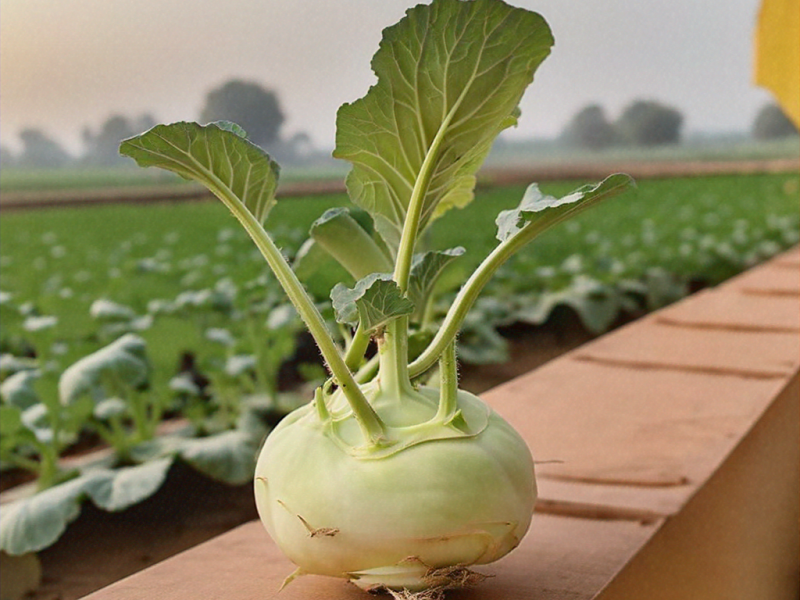
Kohlrabi, with its distinctive bulb-like stem and delicate flavor, offers a refreshing alternative to the conventional greens and root vegetables commonly found in local markets. Its adaptability to diverse growing conditions, coupled with its nutritional benefits, have made it an appealing choice for those seeking to incorporate more locally-grown, sustainable options into their diets.
Varieties of Kohlrabi for Maharashtra
When it comes to cultivating kohlrabi in Maharashtra, several varieties have proven to be well-suited to the region’s climate and growing conditions. Some of the most popular and successful varieties include:
- Early White Vienna: A classic variety known for its fast maturity and mild, sweet flavor. It thrives in both balcony and indoor setups.
- Purple Vienna: A vibrant, purple-hued kohlrabi that adds a unique color palette to gardens and dishes. It performs well in both open and protected cultivation.
- Superschmelz: A German-bred variety renowned for its large, crisp bulbs and resistance to bolting, making it an excellent choice for extended harvests.
- Kossak: A high-yielding variety that produces exceptionally large, globe-shaped bulbs with a tender, sweet flesh. It is well-suited for both small-scale and commercial cultivation.
Soil and Growing Conditions for Kohlrabi in Maharashtra
Kohlrabi is a versatile crop that can adapt to a range of soil types, making it a suitable choice for urban gardeners and small-scale farmers alike. In Maharashtra, the ideal soil conditions for kohlrabi cultivation include:
- Soil Type: Well-drained, loamy soil with a slightly acidic to neutral pH (6.0-7.0) is preferred. The soil should be rich in organic matter to provide the necessary nutrients for healthy plant growth.
- Sunlight: Kohlrabi thrives in full sunlight, requiring at least 6-8 hours of direct sunlight per day. In balcony or indoor setups, ensure the plants receive adequate light exposure.
- Temperature: Kohlrabi prefers a cool, temperate climate, with optimal temperatures ranging from 15°C to 25°C. In Maharashtra, the best growing season is typically during the cooler months, from October to March.
- Watering: Consistent, moderate watering is crucial for kohlrabi cultivation. Avoid letting the soil become waterlogged, as this can lead to root rot and other issues.
Balcony and Indoor Cultivation of Kohlrabi in Maharashtra
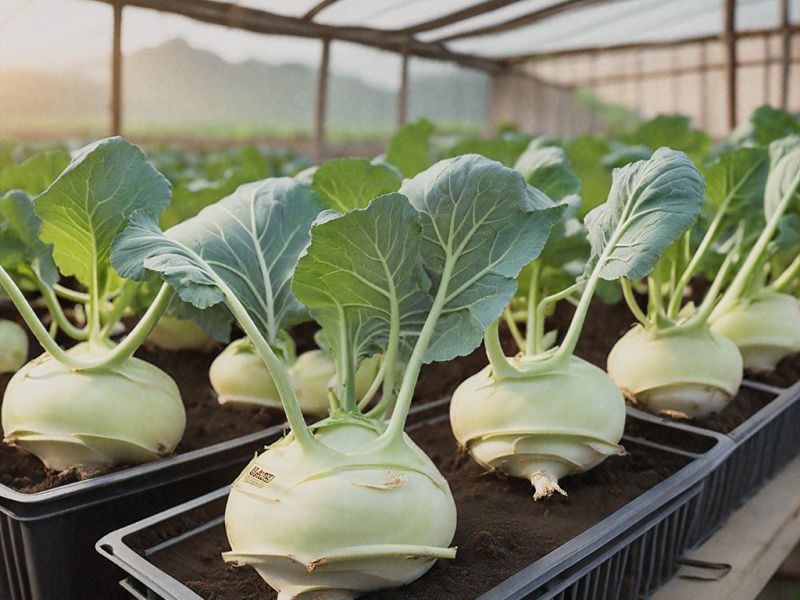
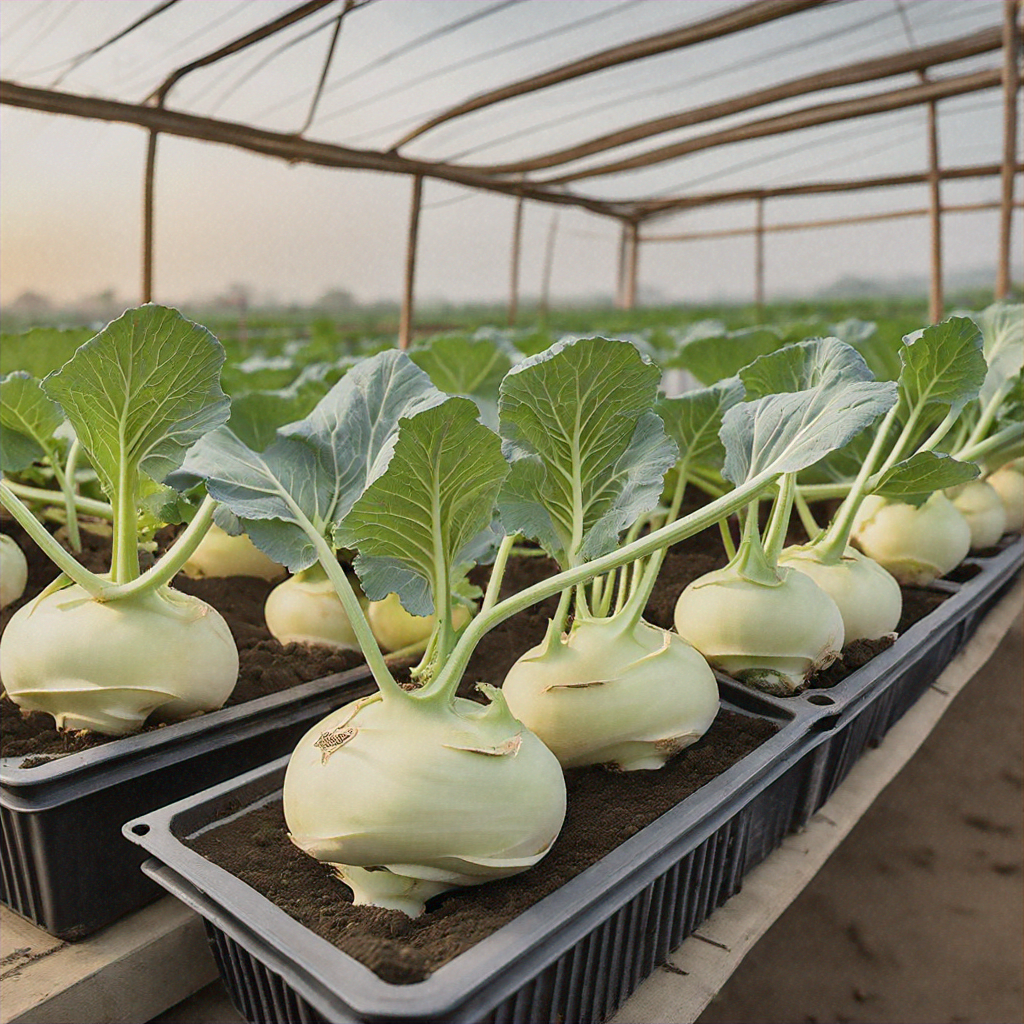
One of the remarkable aspects of kohlrabi cultivation in Maharashtra is its ability to thrive in limited spaces, such as balconies and indoor setups. This makes it an attractive option for urban dwellers and those with small-scale gardens, allowing them to enjoy the benefits of homegrown produce.
For balcony cultivation, kohlrabi can be grown in containers, raised beds, or even hanging baskets, provided they receive the necessary sunlight and drainage. Indoor cultivation, on the other hand, requires a well-lit space, such as a sunny windowsill or a dedicated grow light setup.
When setting up a balcony or indoor kohlrabi garden, consider the following tips:
- Container Size: Choose containers or raised beds that are at least 12 inches deep and have adequate drainage holes to accommodate the kohlrabi’s root system.
- Soil Preparation: Use a high-quality, well-draining potting mix or compost-enriched soil to ensure optimal nutrient availability and water retention.
- Spacing: Plant kohlrabi seedlings or seeds 6-8 inches apart to allow for proper growth and airflow between the plants.
- Fertilization: Supplement the soil with a balanced, slow-release organic fertilizer or compost to provide a steady supply of nutrients throughout the growing season.
- Watering: Regularly monitor the soil moisture and water the plants when the top inch of soil becomes dry, taking care not to overwater.
- Pest Management: Regularly inspect the plants for common pests, such as aphids or cabbage worms, and address any issues promptly using organic pest control methods.
Harvesting and Post-Harvest Handling of Kohlrabi
One of the advantages of growing kohlrabi in Maharashtra is the relatively short time it takes to reach maturity. Depending on the variety, kohlrabi can be harvested as early as 45-60 days after sowing, providing a quick and reliable source of fresh produce.
To ensure a successful harvest, follow these guidelines:
- Timing: Harvest kohlrabi when the bulbs are 2-4 inches in diameter, typically when they are firm and the skin is still tender. Avoid letting the bulbs grow too large, as they can become woody and bitter.</
- Harvesting: Use a sharp knife or garden shears to cut the kohlrabi bulb just above the soil line, leaving a short stem attached. Carefully remove any leaves or stems, taking care not to damage the bulb.
- Post-Harvest Handling: Gently clean the harvested kohlrabi, removing any dirt or debris, and store them in the refrigerator in a perforated plastic bag or airtight container. Properly stored, kohlrabi can maintain its freshness for up to 2 weeks.
- Culinary Uses: Kohlrabi is a versatile vegetable that can be enjoyed raw, in salads, or cooked in a variety of dishes, from stir-fries and roasted vegetables to soups and purees. Its unique texture and mild flavor make it a popular ingredient in both traditional and modern Maharashtrian cuisine.
Conclusion
The cultivation of kohlrabi in Maharashtra, particularly in balcony and indoor setups, has emerged as a promising avenue for urban gardeners and small-scale farmers alike. This resilient and nutritious vegetable not only thrives in the region’s favorable growing conditions but also offers a sustainable and accessible solution for those seeking to incorporate locally-grown produce into their diets.
By exploring the diverse varieties, optimal soil and growing conditions, and proper harvesting techniques, Maharashtra’s kohlrabi enthusiasts can unlock the full potential of this remarkable crop, contributing to the overall agricultural landscape and promoting human welfare through increased access to fresh, healthy food options.