Growing Kohlrabi – Balcony & Indoor Setup for Netherlands: Complete Guide & Best Practices
In the Netherlands, where space can be limited, growing your own produce can be a rewarding and sustainable practice. One vegetable that thrives in small-scale settings is the humble kohlrabi. Packed with nutrients and versatile in the kitchen, kohlrabi is an excellent addition to any balcony or indoor garden. In this comprehensive guide, we’ll explore the best practices for growing kohlrabi in the Netherlands, whether you have a cozy balcony or a bright indoor setup.
Understanding Kohlrabi
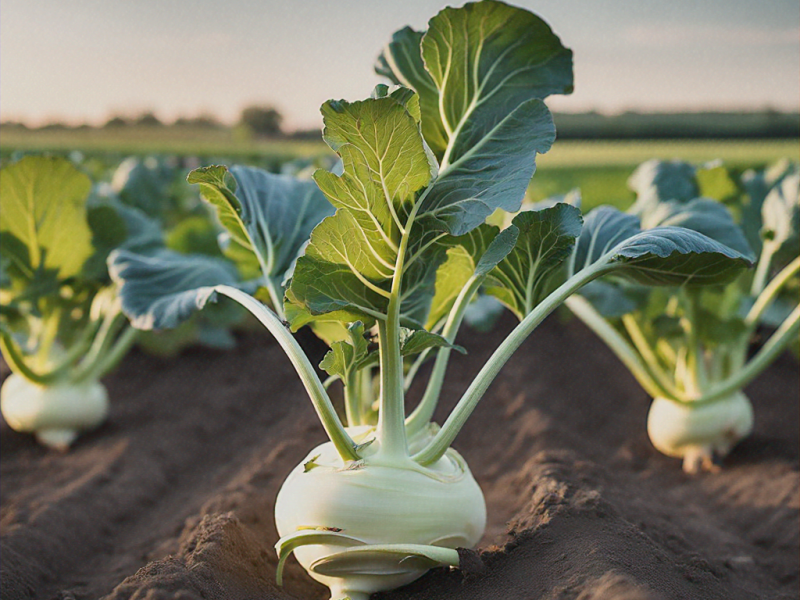
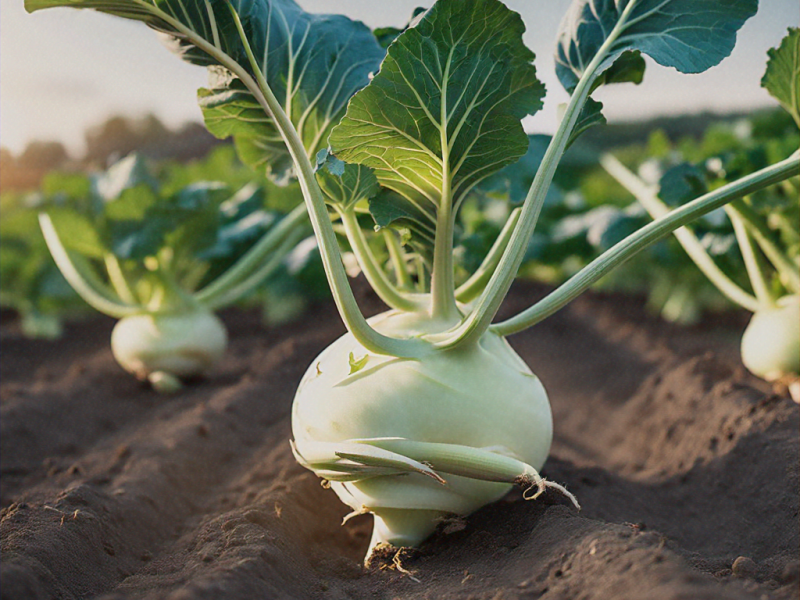
Kohlrabi, also known as German turnip or cabbage turnip, is a member of the Brassica family, which includes Brussels sprouts, cabbage, and cauliflower. It is known for its unique, bulb-like stem that grows above the ground, which can be eaten raw or cooked. Kohlrabi is a cool-weather crop, thriving in the mild to cool temperatures that are common in the Netherlands.
Balcony Setup for Kohlrabi
Balconies in the Netherlands can provide the perfect environment for growing kohlrabi. Here’s how to set up a successful balcony garden:
- Container Selection: Choose a container that is at least 10 inches deep and 12 inches wide, with ample drainage holes. Kohlrabi has a relatively shallow root system, so a wide, shallow container works best.
- Soil Preparation: Use a high-quality, well-draining potting mix or a soil blend specifically formulated for vegetables. Kohlrabi prefers a slightly acidic soil with a pH between 6.0 and 7.0.
- Planting and Spacing: Plant kohlrabi seeds or seedlings about 6-8 inches apart, ensuring the stem is slightly above the soil line. If growing multiple plants, space them 12-15 inches apart.
- Sun Exposure: Kohlrabi thrives in full sun, so choose a spot on your balcony that receives at least 6 hours of direct sunlight per day.
- Watering: Keep the soil consistently moist, but not waterlogged. Water when the top inch of soil becomes dry to the touch.
- Fertilizing: Feed your kohlrabi plants with a balanced, water-soluble fertilizer every 2-3 weeks during the growing season.
Indoor Setup for Kohlrabi
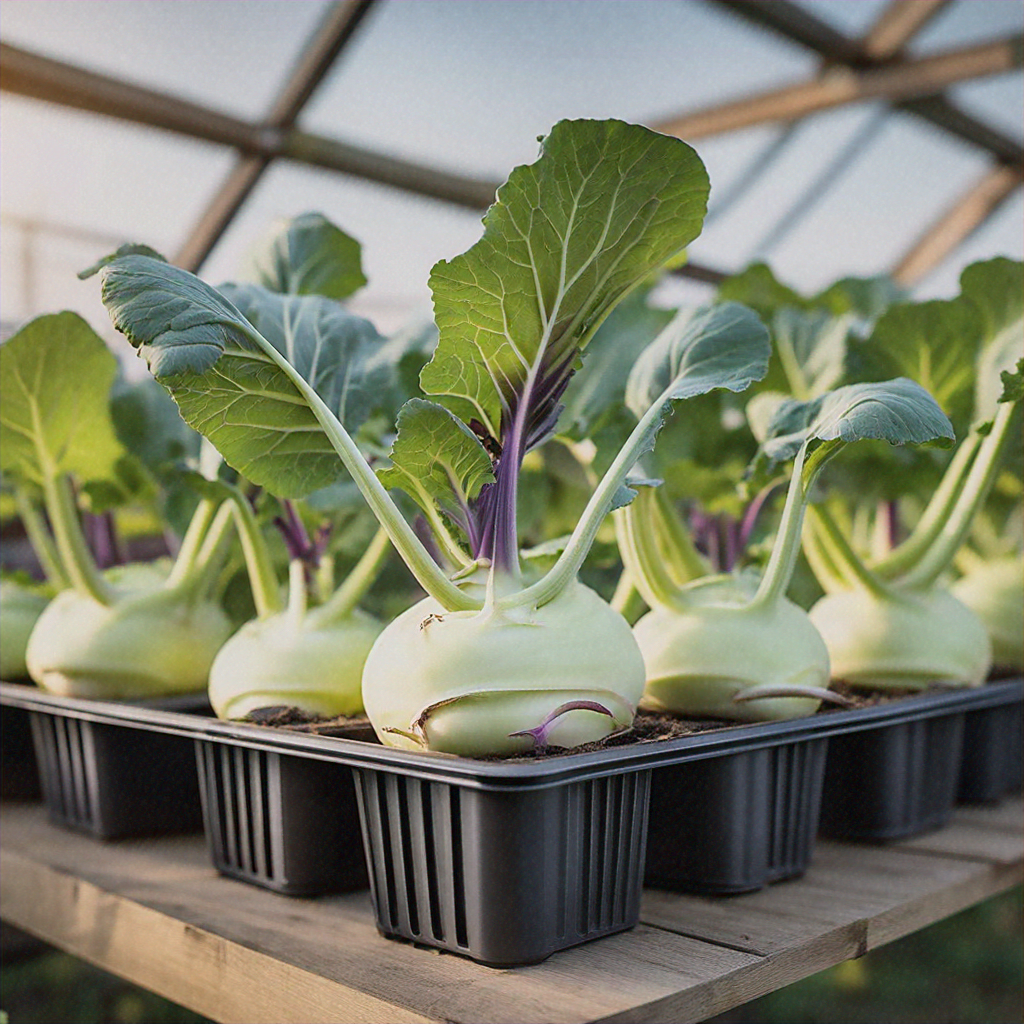
For those with limited outdoor space or less-than-ideal balcony conditions, growing kohlrabi indoors can be a viable option. Here’s how to set up an indoor kohlrabi garden:
- Container Selection: Choose a container that is at least 8 inches deep and 10 inches wide, with ample drainage holes. Kohlrabi’s shallow root system means it can thrive in a relatively small container.
- Soil Preparation: Use a high-quality, well-draining potting mix or a soil blend specifically formulated for vegetables. Kohlrabi prefers a slightly acidic soil with a pH between 6.0 and 7.0.
- Planting and Spacing: Plant kohlrabi seeds or seedlings about 6-8 inches apart, ensuring the stem is slightly above the soil line. If growing multiple plants, space them 10-12 inches apart.
- Light Requirements: Kohlrabi requires at least 6 hours of direct sunlight per day. If your indoor space doesn’t receive sufficient natural light, consider using a grow light to supplement the lighting.
- Watering: Keep the soil consistently moist, but not waterlogged. Water when the top inch of soil becomes dry to the touch.
- Fertilizing: Feed your kohlrabi plants with a balanced, water-soluble fertilizer every 2-3 weeks during the growing season.
Caring for Your Kohlrabi Plants
Regardless of whether you’re growing kohlrabi on your balcony or indoors, there are a few key care practices to ensure a successful harvest:
- Thinning: When the seedlings are 2-3 inches tall, thin them out to the desired spacing, leaving the strongest plants. This will allow the remaining plants to thrive without competition for resources.
- Weeding: Regularly remove any weeds that may compete with your kohlrabi plants for nutrients and water. Be gentle when weeding to avoid damaging the shallow roots.
- Pest and Disease Management: Keep an eye out for common pests like aphids, cabbage worms, and flea beetles. Treat any infestations promptly with organic pest control methods. Kohlrabi can also be susceptible to diseases like clubroot and bacterial soft rot, so monitor your plants closely and take preventative measures.
- Harvesting: Kohlrabi is ready to harvest when the stem is 2-4 inches in diameter, usually 50-60 days after planting. Twist the plant at the base and pull it up gently, leaving the leaves intact. The leaves can also be harvested and used in cooking.
Maximizing Yield and Flavor
To ensure a bountiful and delicious kohlrabi harvest, consider the following tips:
- Succession Planting: Sow kohlrabi seeds every 2-3 weeks throughout the growing season to enjoy a continuous harvest.
- Variety Selection: Choose a variety that is well-suited to your growing conditions, such as ‘Korridor’ or ‘Superschmelz’ for balcony or indoor gardens.
- Cooling Measures: In hot weather, consider using shade cloth or positioning your containers in a slightly shaded area to prevent the kohlrabi from becoming tough or bitter.
- Timely Harvesting: Harvest your kohlrabi when the stems are at their optimal size, as letting them grow too large can result in a tough, woody texture.
- Culinary Versatility: Kohlrabi is a versatile vegetable that can be eaten raw, roasted, sautéed, or added to stews and soups. Experiment with different preparation methods to find your favorite way to enjoy this nutrient-rich crop.
Conclusion
Growing kohlrabi on your balcony or in an indoor setup is a rewarding and practical way to add fresh, nutrient-dense produce to your diet, even in the limited spaces of the Netherlands. By following the best practices outlined in this guide, you can successfully cultivate this unique and flavorful vegetable and enjoy the benefits of homegrown, sustainable food. Happy gardening!