Kohlrabi Cultivation in Brazil: Balcony & Indoor Setup – Varieties, Soil & Harvest
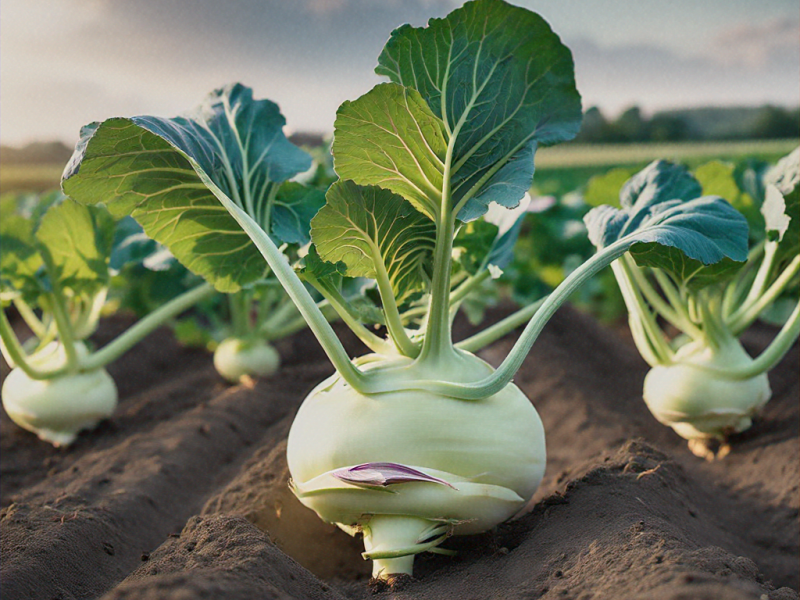
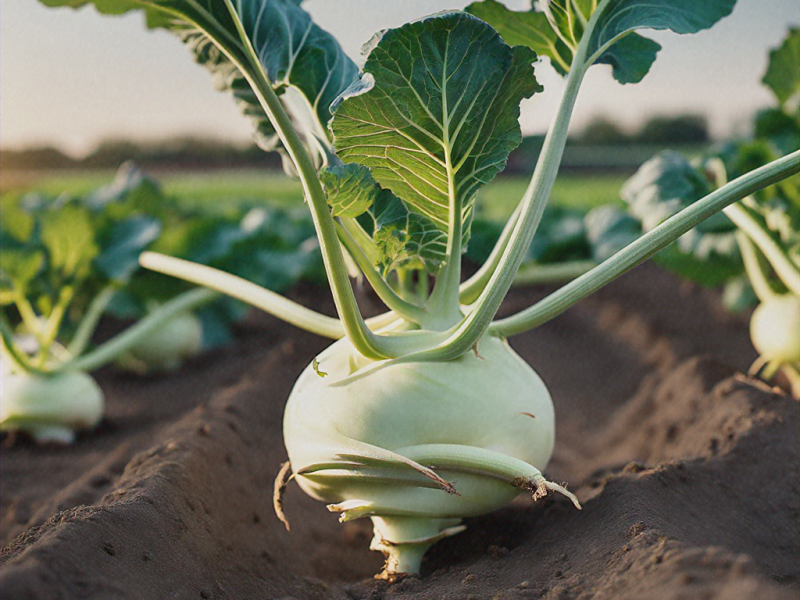
In the vast and diverse agricultural landscape of Brazil, one vegetable has quietly gained popularity among urban dwellers and small-scale farmers alike: kohlrabi. This unassuming member of the cabbage family has carved out a niche for itself, offering a unique flavor profile and a versatile range of culinary applications. In this comprehensive blog post, we’ll explore the world of kohlrabi cultivation in Brazil, focusing on balcony and indoor setups, suitable varieties, soil requirements, and tips for a bountiful harvest.
The Rise of Kohlrabi in Brazilian Urban Agriculture
As the global population becomes increasingly urbanized, the demand for locally grown, sustainable produce has surged. In Brazil, where a significant portion of the population resides in cities, the need for accessible and space-efficient agricultural solutions has become paramount. Enter kohlrabi – a vegetable that thrives in compact spaces, making it an ideal choice for balcony and indoor gardening enthusiasts.
Kohlrabi’s adaptability to various growing conditions, coupled with its nutritional profile and culinary versatility, has captured the attention of urban agriculturists across Brazil. From apartment dwellers with limited outdoor space to small-scale rooftop farmers, kohlrabi cultivation has become a practical and rewarding pursuit, bringing the joy of homegrown produce to urban dwellers.
Varieties of Kohlrabi Suitable for Brazilian Conditions
When it comes to cultivating kohlrabi in Brazil, gardeners have a range of varieties to choose from, each with its own unique characteristics and suitability for different growing environments. Here are some of the most popular kohlrabi cultivars thriving in Brazilian balconies and indoor setups:
- Early White Vienna: A classic kohlrabi variety known for its rapid growth and compact size, making it ideal for container and limited-space gardening. The crisp, white flesh has a mild, sweet flavor.
- Purple Vienna: This striking variety boasts a vibrant purple exterior and a creamy, tender interior. It’s a visually appealing choice that adds a pop of color to any garden setup.
- Superschmelz: A German cultivar that excels in hot and humid conditions, commonly found in many regions of Brazil. It produces large, globe-shaped kohlrabi with a delicate texture and a mild, slightly nutty taste.
- Kossak: A recent introduction to the Brazilian market, Kossak kohlrabi is prized for its impressive size and extended shelf life. This variety is well-suited for both balcony and indoor cultivation.
Soil Preparation and Nutrient Requirements
Kohlrabi may be a resilient vegetable, but it still requires well-drained, nutrient-rich soil to thrive in Brazilian growing conditions. When setting up a balcony or indoor kohlrabi garden, it’s essential to prepare the soil properly to ensure optimal growth and productivity.
Start by selecting a high-quality potting mix or a blend of compost, peat moss, and vermiculite. Kohlrabi prefers a slightly acidic soil with a pH range of 6.0 to 7.0. If your soil is too alkaline, you can amend it with sulfur or peat moss to lower the pH.
Incorporate a balanced, slow-release fertilizer into the soil before planting, ensuring that your kohlrabi plants have access to a steady supply of essential nutrients, such as nitrogen, phosphorus, and potassium. Monitor the soil moisture levels regularly, as kohlrabi thrives in consistently moist but well-drained conditions.
Planting and Cultivation Techniques
When it comes to planting kohlrabi in your balcony or indoor garden, timing is crucial. In Brazil, the optimal planting season for kohlrabi typically falls between March and August, allowing the plants to benefit from the mild temperatures and ample sunlight during this period.
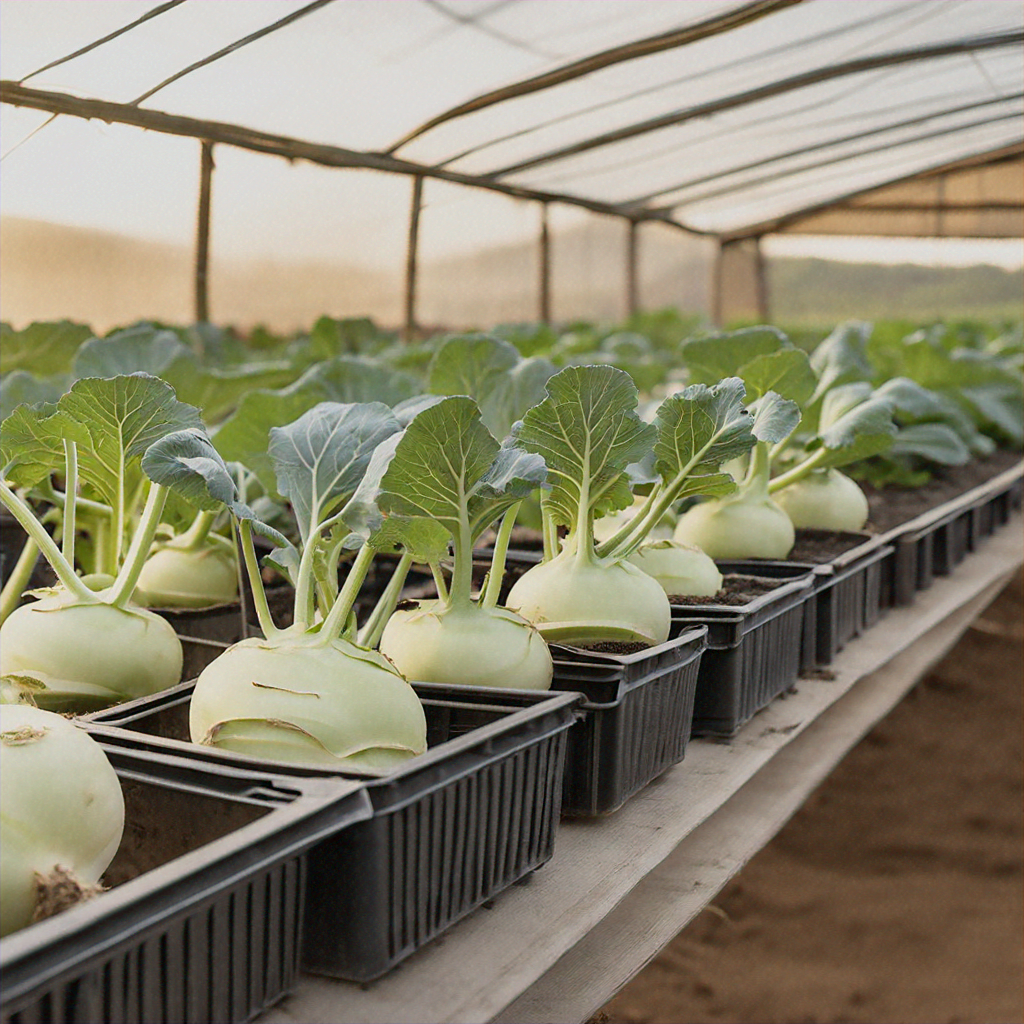
If you’re growing kohlrabi in containers, choose pots or planters that are at least 12 inches deep and have adequate drainage holes. Plant the seeds or seedlings about 1 inch deep and 6 to 8 inches apart, ensuring that the soil surface is level. Provide your kohlrabi plants with at least 6 hours of direct sunlight per day, either by positioning them in a sunny spot on your balcony or by using a well-positioned grow light indoors.</influential factors.
Regular watering is essential, as kohlrabi plants are sensitive to drought stress. Water the soil thoroughly, but be mindful not to overwater, as this can lead to root rot and other issues. Supplement your watering routine with a balanced, water-soluble fertilizer every two to three weeks to keep your kohlrabi plants thriving.
Pest Management and Disease Control
While kohlrabi is generally a resilient crop, it’s not immune to pests and diseases. In the Brazilian growing environment, gardeners may encounter challenges such as aphids, cabbage worms, and powdery mildew, among other common issues.
To maintain a healthy kohlrabi crop, it’s essential to regularly inspect your plants for any signs of pest or disease activity. If you notice any issues, take prompt action to address them, using organic or eco-friendly methods whenever possible. This may include the use of insecticidal soaps, neem oil, or introducing beneficial insects like ladybugs to help control pests naturally.
Additionally, maintaining good air circulation around your kohlrabi plants and avoiding overcrowding can help prevent the spread of fungal diseases like powdery mildew. If you encounter any persistent or severe problems, consult with local agricultural extension services or experienced urban gardeners for tailored advice.
Harvesting and Culinary Delights
The moment of truth for any kohlrabi grower arrives when it’s time to harvest. Depending on the variety, kohlrabi can be ready for harvesting in as little as 40 to 60 days from planting. The ideal time to harvest is when the swollen stem, or “bulb,” is 2 to 4 inches in diameter and feels firm to the touch.
To harvest, simply cut the kohlrabi stem at the soil line, leaving a short stem attached to the bulb. Gently remove any remaining leaves or stems, and you’re ready to enjoy your homegrown bounty. Kohlrabi can be stored in the refrigerator for up to two weeks, allowing you to savor your harvest over an extended period.
The culinary versatility of kohlrabi is what truly makes it a star in Brazilian cuisine. The crunchy, mild-flavored bulb can be enjoyed raw in salads, sliced into crunchy snacks, or incorporated into stir-fries, soups, and stews. The leaves can also be sautéed or added to smoothies, providing an extra nutritional boost. Kohlrabi is a true multitasker in the kitchen, offering endless possibilities for creative and delicious dishes.
Conclusion
Kohlrabi cultivation in Brazil’s urban gardens and indoor setups is a thriving, sustainable, and rewarding pursuit. By selecting the right varieties, preparing the soil meticulously, and employing effective cultivation techniques, gardeners can enjoy a bountiful harvest of this versatile vegetable, right from the comfort of their balconies or indoor growing spaces.
As the demand for locally grown, nutrient-dense produce continues to rise in Brazil’s urban centers, the popularity of kohlrabi is poised to soar even higher. By embracing this unassuming yet remarkable vegetable, urban agriculturists can not only nourish themselves and their communities but also contribute to a more sustainable and self-sufficient food system. The journey of kohlrabi cultivation in Brazil is a testament to the power of small-scale, space-efficient gardening to improve human welfare and environmental stewardship.