Growing Kohlrabi in India: A Step-by-Step Guide for Balcony and Indoor Setups
As the world strives to achieve greater food security and sustainability, the humble kohlrabi has emerged as a versatile and nutritious crop that can thrive in even the most space-constrained urban environments. In India, where access to fresh produce can be a challenge, the ability to grow kohlrabi on balconies and indoors offers a promising solution to improve household food security and diversify diets. In this comprehensive guide, we’ll explore the step-by-step process of setting up a kohlrabi growing system, whether you have a small balcony or limited indoor space.
Understanding Kohlrabi: The Versatile Vegetable
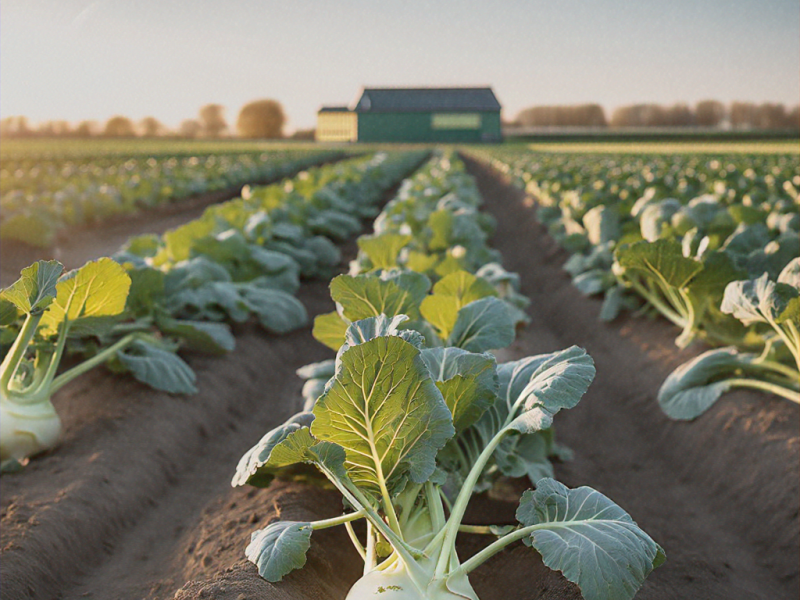
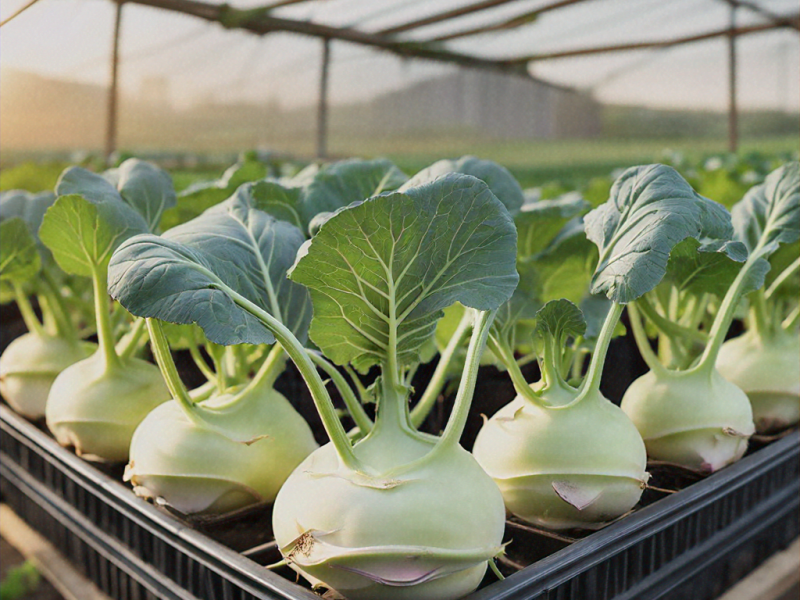
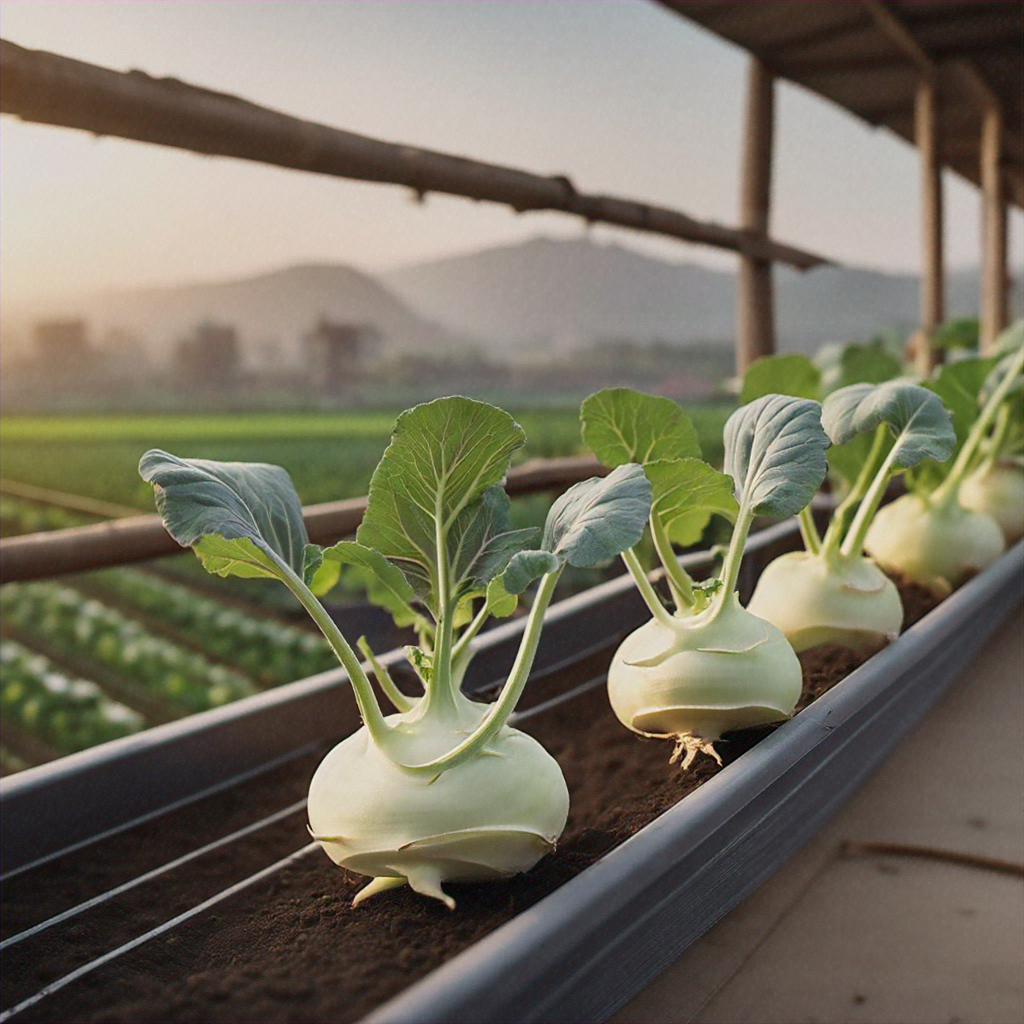
Kohlrabi, often referred to as the “German turnip,” is a member of the Brassica family, which includes vegetables such as cabbage, broccoli, and cauliflower. What makes kohlrabi unique is its distinctive swollen stem, which is the edible portion of the plant. This stem can be white, purple, or green, and its crisp, juicy texture and mild, sweet flavor make it a versatile ingredient in a wide range of culinary preparations.
Aside from its delicious taste, kohlrabi is also a nutritional powerhouse. It is rich in vitamins C and K, as well as dietary fiber, potassium, and a range of antioxidants. Consuming kohlrabi can provide numerous health benefits, including improved digestion, enhanced immune function, and reduced risk of chronic diseases.
Setting up a Balcony Kohlrabi Garden
If you’re fortunate enough to have a balcony, you can easily create a thriving kohlrabi garden. Here’s a step-by-step guide to get you started:
- Choose the right containers: Kohlrabi plants require a depth of at least 8 inches (20 cm) to accommodate their swollen stems. Consider using sturdy, well-draining containers such as large pots, grow bags, or even repurposed plastic bins.
- Prepare the soil: Fill your containers with a high-quality, nutrient-rich potting mix. Incorporate some compost or well-rotted manure to provide additional nutrients for your kohlrabi plants.
- Select the right kohlrabi variety: Look for compact, early-maturing kohlrabi varieties that are well-suited for container growing, such as ‘Quickstar’ or ‘Superschmelz.’
- Sow the seeds: Plant the kohlrabi seeds about 1 inch (2.5 cm) deep and 6 inches (15 cm) apart. Water the soil gently after sowing.
- Provide adequate sunlight: Kohlrabi thrives in full sun, so position your containers in a location that receives at least 6 hours of direct sunlight per day.
- Water regularly: Keep the soil consistently moist, but avoid waterlogging. Water your kohlrabi plants when the top inch of soil becomes dry.
- Fertilize periodically: Feed your kohlrabi plants with a balanced, water-soluble fertilizer every 2-3 weeks to ensure they receive the necessary nutrients for optimal growth.
- Protect from pests and diseases: Monitor your plants for common issues like aphids, cabbage worms, or fungal diseases, and take appropriate action to address them.
- Harvest at the right time: Kohlrabi is ready to harvest when the stem reaches 2-4 inches (5-10 cm) in diameter, usually about 50-60 days after sowing. Cut the stems just above the soil level, leaving a small portion of the stem attached to the leaves.
Growing Kohlrabi Indoors
For those without access to a balcony or outdoor space, growing kohlrabi indoors can be a rewarding and space-saving alternative. Here’s how to set up an indoor kohlrabi garden:
- Choose the right containers: Opt for shallow, wide containers that are at least 8 inches (20 cm) deep to accommodate the kohlrabi’s swollen stems. Plastic storage bins, window boxes, or even repurposed plastic containers can work well.
- Prepare the growing medium: Fill your containers with a well-draining, nutrient-rich potting mix or a soil-less growing medium specifically formulated for container gardening.
- Select compact kohlrabi varieties: Look for dwarf or early-maturing kohlrabi varieties that are well-suited for indoor cultivation, such as ‘Kolibri’ or ‘Early White Vienna.’
- Provide adequate lighting: Kohlrabi requires at least 6 hours of direct sunlight per day. If natural light is limited, supplement with a grow light positioned 4-6 inches (10-15 cm) above the plants.
- Maintain optimal temperature: Kohlrabi thrives in cool temperatures, ideally between 60-75°F (15-24°C). Avoid placing your indoor kohlrabi garden in areas with extreme heat or cold.
- Water and fertilize regularly: Keep the soil consistently moist, but avoid waterlogging. Feed your indoor kohlrabi plants with a balanced, water-soluble fertilizer every 2-3 weeks.
- Manage pests and diseases: Regularly inspect your indoor kohlrabi plants for common issues like aphids or fungal diseases, and take appropriate action to address them.
- Harvest at the right time: Harvest your indoor kohlrabi when the stems reach 2-4 inches (5-10 cm) in diameter, usually about 50-60 days after sowing.
Maximizing Your Kohlrabi Yield
To ensure a bountiful harvest from your balcony or indoor kohlrabi garden, consider the following tips:
- Succession planting: Sow kohlrabi seeds every 2-3 weeks to enjoy a continuous harvest throughout the growing season.
- Interplanting: Combine kohlrabi with compatible companion plants, such as lettuce or radishes, to maximize your growing space and diversify your harvest.
- Pruning and thinning: Regularly remove any damaged or diseased leaves, and thin out overcrowded seedlings to allow the remaining plants to thrive.
- Mulching: Apply a 2-3 inch (5-7 cm) layer of organic mulch around the base of your kohlrabi plants to retain moisture and suppress weed growth.
- Proper storage: After harvesting, store your kohlrabi in the refrigerator for up to 2-3 weeks to maintain freshness and nutritional value.
Embracing the Kohlrabi Revolution
As the world grapples with the challenges of food security and sustainable agriculture, the humble kohlrabi emerges as a promising solution, particularly for urban dwellers in India. By leveraging the versatility of this nutrient-dense vegetable and the power of small-scale, space-efficient growing methods, individuals can take an active role in improving their household food security and diversifying their diets.
Whether you have a balcony or a limited indoor space, the step-by-step guide provided in this article will equip you with the knowledge and skills to successfully grow your own kohlrabi. By embracing the kohlrabi revolution, you can not only enjoy the delicious and nutritious rewards of your harvest but also contribute to a more sustainable and resilient food system in India.