Kohlrabi Cultivation in Asia: Balcony & Indoor Setup – Varieties, Soil & Harvest
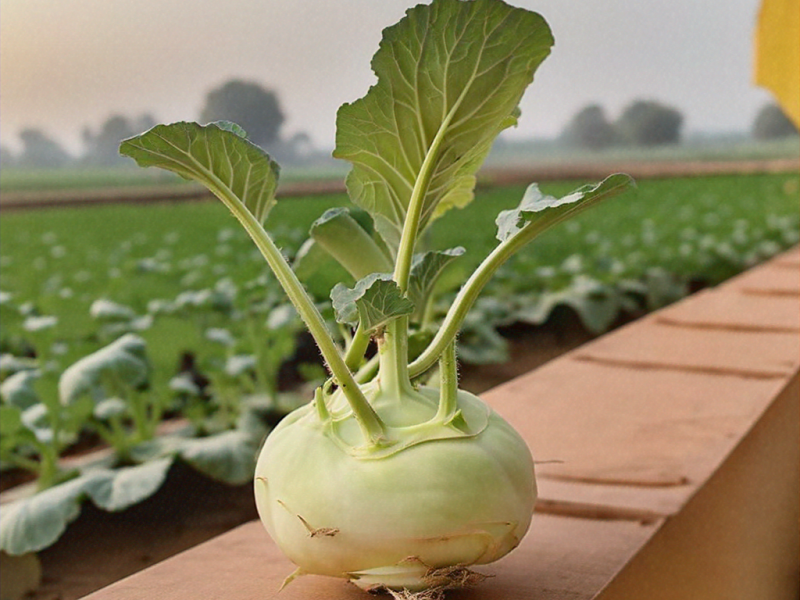
In the realm of agricultural innovation, one vegetable has gained significant traction in recent years, particularly in the diverse culinary landscapes of Asia. Kohlrabi, a member of the Brassica family, has emerged as a versatile and nutritious addition to gardens and kitchens alike. Whether you have a sprawling rural farm or a cozy urban balcony, the cultivation of kohlrabi can be a rewarding and fruitful endeavor. In this comprehensive guide, we’ll explore the art of kohlrabi cultivation in Asia, delving into the various varieties, optimum soil conditions, and effective harvesting techniques – all tailored for both balcony and indoor setups.
Varieties of Kohlrabi for Asian Cultivation
Kohlrabi, with its unique bulbous stem and vibrant hues, comes in a variety of cultivars that thrive in the diverse climates of Asia. Some of the most popular and well-suited varieties for Asian gardens and balconies include:
- Purple Vienna: Known for its striking purple-tinged skin, this variety boasts a crisp, sweet flavor and a dense, crunchy texture.
- White Vienna: A classic choice, the White Vienna variety produces large, ivory-colored bulbs with a mild, delicate taste.
- Kongo: Originating from Japan, the Kongo variety is renowned for its compact size, making it an ideal choice for urban and small-space gardens.
- Superschmelz: Hailing from Germany, this variety is known for its exceptional tenderness and resistance to bolting, ensuring a prolonged harvest period.
Balcony Cultivation: Creating the Ideal Growing Environment
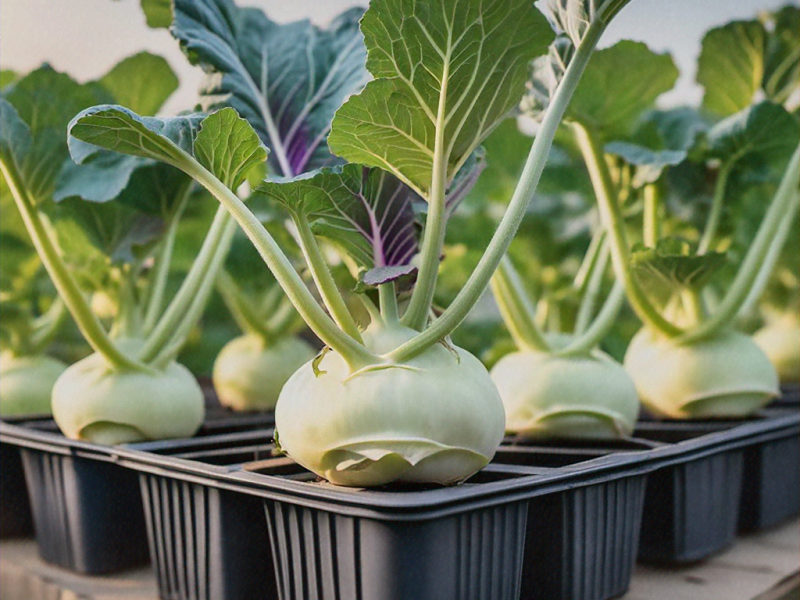
Growing kohlrabi on a balcony can be a rewarding and space-efficient endeavor. With the right setup and care, you can enjoy a bountiful harvest of this versatile vegetable right from the comfort of your urban oasis. Here’s what you need to know:
Choosing the Right Container
Kohlrabi thrives in well-draining, deep containers that provide ample room for the bulb to develop. Consider using a sturdy planter or grow bag with a depth of at least 8 inches (20 cm). Ensure the container has adequate drainage holes to prevent waterlogging.
Soil Preparation
Kohlrabi prefers a nutrient-rich, well-aerated soil. Mix together a blend of high-quality potting soil, compost, and perlite or vermiculite to create a light, loamy substrate. Ensure the pH of the soil is slightly acidic, ranging from 6.0 to 7.0.
Sunlight and Temperature
Kohlrabi requires at least 6 hours of direct sunlight per day. Positioning your balcony planter in a south-facing location can help maximize sun exposure. Maintain a temperature range of 60-75°F (15-24°C) for optimal growth and development.
Watering and Fertilization
Keep the soil consistently moist, but avoid waterlogging. Water your kohlrabi plants when the top inch of soil becomes dry. Supplement with a balanced, water-soluble fertilizer every 2-3 weeks to ensure adequate nutrient availability.
Indoor Cultivation: Grow Kohlrabi Year-Round
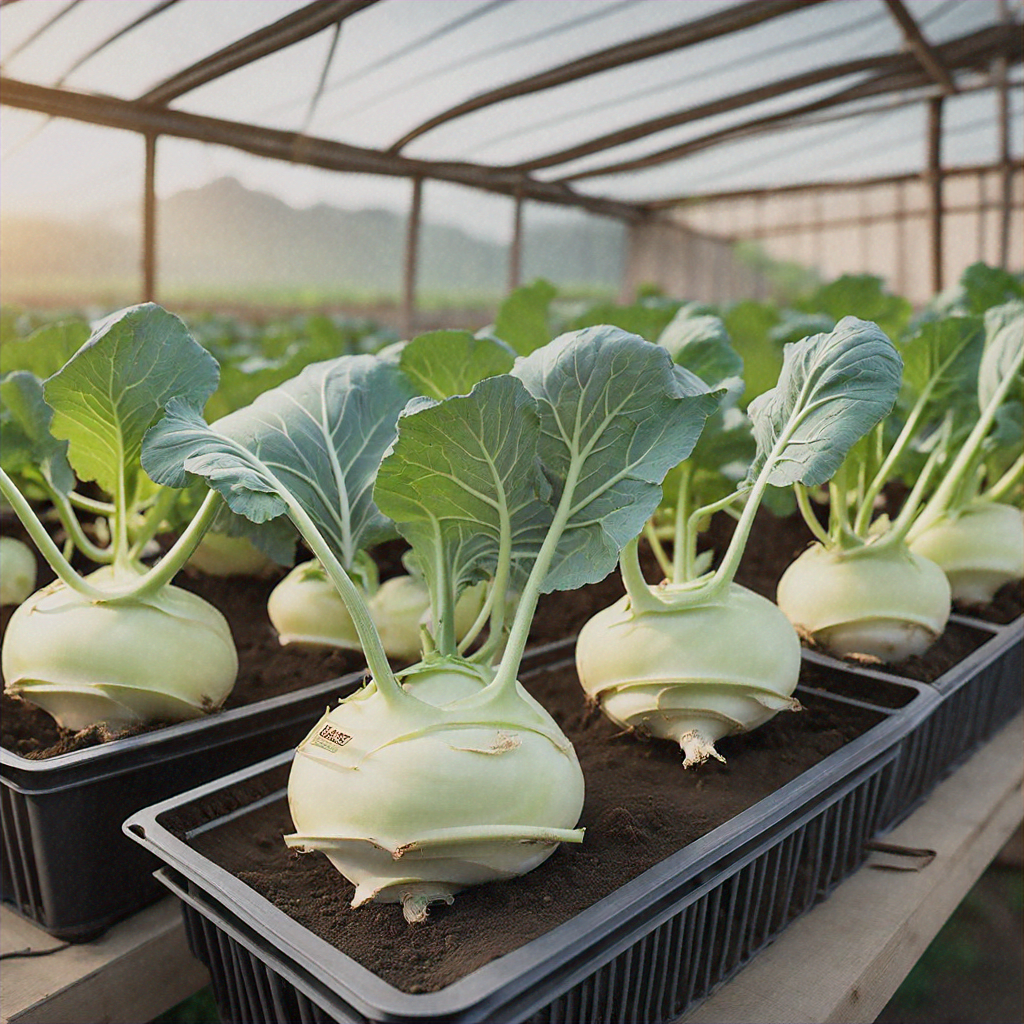
For gardeners with limited outdoor space or those seeking to extend the growing season, indoor cultivation of kohlrabi can be a rewarding and practical solution. By creating a controlled environment, you can enjoy a steady supply of this versatile vegetable throughout the year. Here’s how to get started:
Choosing the Right Growing Medium
For indoor kohlrabi cultivation, opt for a well-draining, nutrient-rich potting mix specifically formulated for container gardening. Avoid using garden soil, as it may harbor pests and pathogens that can negatively impact your plants.
Lighting Requirements
Kohlrabi is a sun-loving plant, so it’s essential to provide ample artificial lighting indoors. Choose a location with access to a south-facing window or invest in a high-quality grow light system that can provide at least 6 hours of direct light per day.
Temperature and Humidity
Maintain a consistent temperature range of 60-75°F (15-24°C) for optimal growth. Ensure good air circulation to prevent the buildup of excess humidity, which can lead to fungal diseases.
Watering and Fertilization
Water your indoor kohlrabi plants when the top inch of soil becomes dry, taking care not to overwater. Apply a balanced, water-soluble fertilizer every 2-3 weeks to support healthy plant development.
Harvesting and Culinary Delights
The true reward of kohlrabi cultivation comes when it’s time to harvest. Whether grown on a balcony or indoors, this versatile vegetable offers a wealth of culinary possibilities. Here’s how to ensure a bountiful and delicious harvest:
Harvesting Techniques
Kohlrabi is ready to harvest when the bulb reaches 2-4 inches (5-10 cm) in diameter, typically 50-60 days after sowing. Gently loosen the soil around the base of the plant and twist the bulb to remove it from the ground. Avoid pulling the plant, as this can damage the roots and stunt future growth.
Preparing and Storing Kohlrabi
Once harvested, rinse the kohlrabi bulbs and remove any damaged or discolored leaves. The bulbs can be stored in the refrigerator for up to 2 weeks, while the greens can be stored separately for up to 5 days. Kohlrabi is a versatile ingredient that can be enjoyed raw in salads, roasted, or incorporated into a variety of Asian-inspired dishes.
Conclusion
Kohlrabi, with its unique flavor profile and nutritional benefits, has undoubtedly earned its place in the culinary and horticultural landscapes of Asia. Whether you’re cultivating on a balcony or indoors, the key to successful kohlrabi production lies in understanding the specific requirements of this remarkable vegetable. By following the tips and techniques outlined in this guide, you can unlock a world of flavorful possibilities and enjoy a bountiful harvest of this versatile crop, right from the comfort of your own urban oasis or indoor growing space.