Growing Kohlrabi – Kitchen & Harvest for Iowa: Complete Guide & Best Practices
In the vast and diverse world of vegetables, kohlrabi stands out as a unique and versatile crop that thrives in the Midwest, particularly in the state of Iowa. This unassuming member of the cabbage family offers a wealth of culinary possibilities and nutritional benefits, making it an excellent addition to any home garden or local farm. In this comprehensive guide, we’ll delve into the art of growing, harvesting, and utilizing this remarkable vegetable to its full potential.
Understanding Kohlrabi
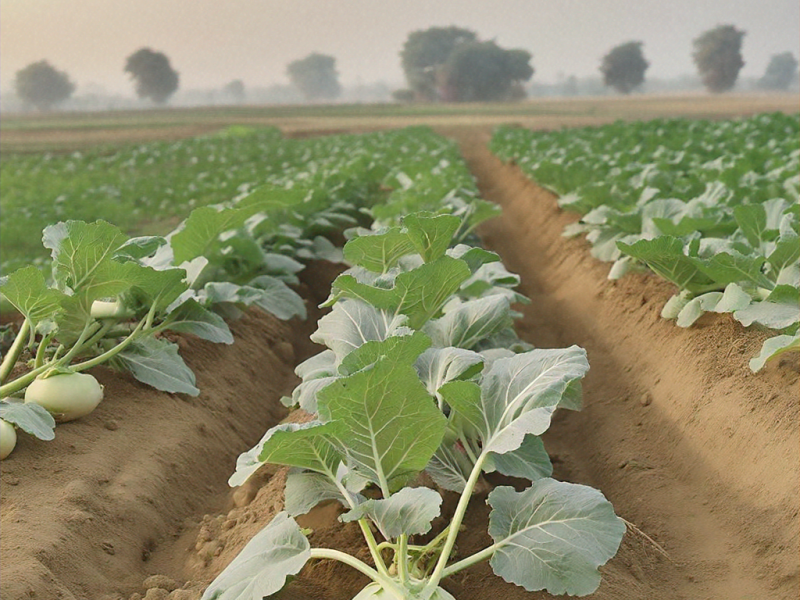
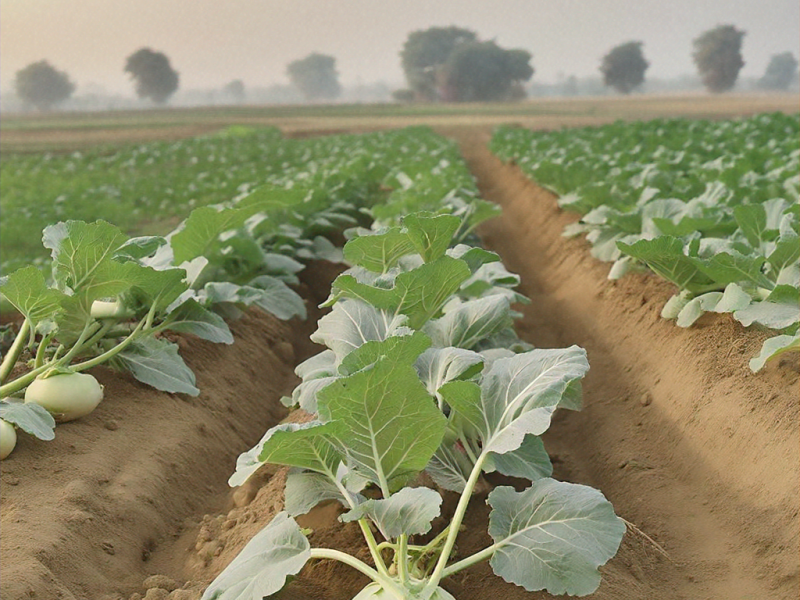
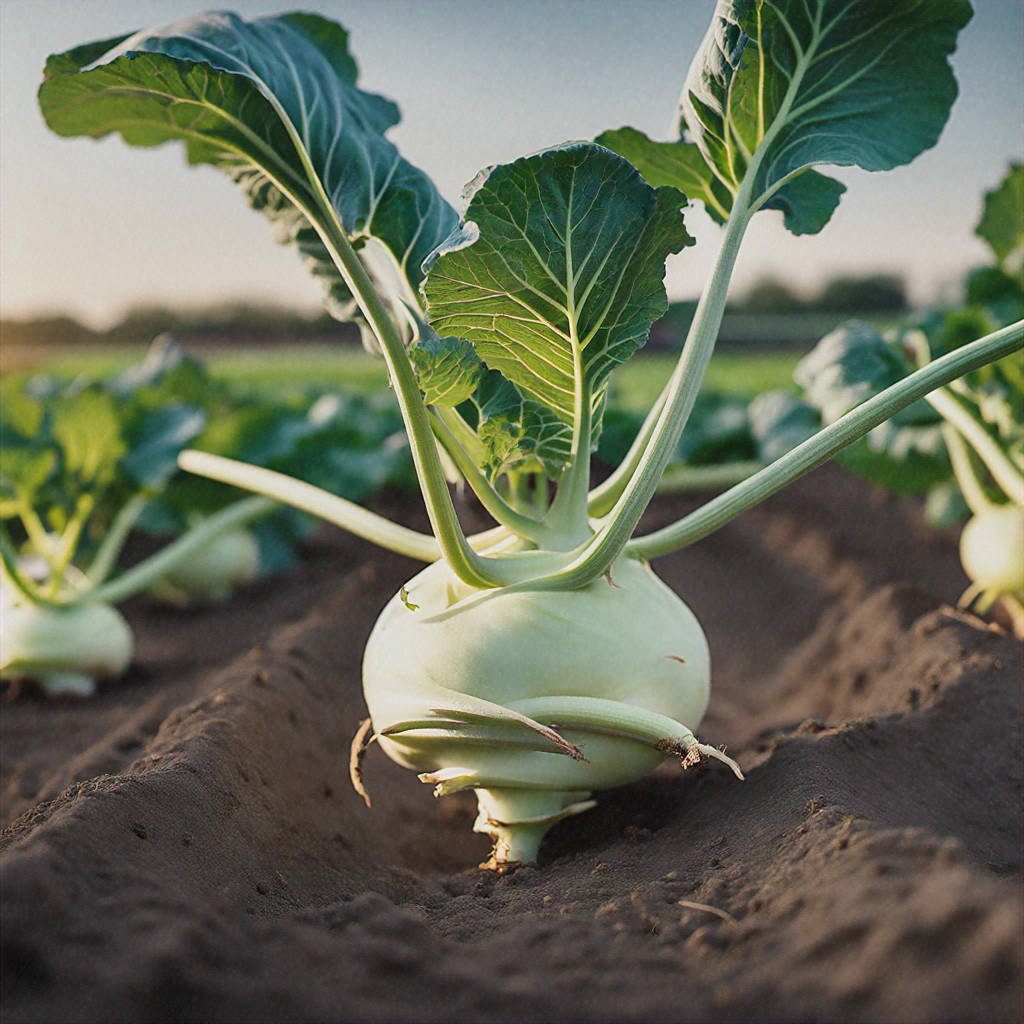
Kohlrabi, often referred to as the “cabbage turnip,” is a cool-weather vegetable that can be grown successfully in Iowa’s temperate climate. Unlike its leafy counterparts, kohlrabi produces a bulbous stem that grows above the ground, forming a distinctive, globe-shaped edible portion. This unique characteristic sets it apart from other brassicas, offering a crisp and refreshing texture that can be enjoyed raw, cooked, or even pickled.
Kohlrabi is a rich source of vitamins, minerals, and dietary fiber, making it a nutritious addition to any diet. It’s particularly high in vitamin C, providing nearly the entire daily recommended intake in a single serving. Additionally, kohlrabi contains significant amounts of potassium, calcium, and B-complex vitamins, making it a well-rounded and health-promoting choice for the modern kitchen.
Site Selection and Soil Preparation
Choosing the right location for your kohlrabi is crucial to its success. Opt for a site that receives full sun, with well-draining, nutrient-rich soil. Kohlrabi thrives in slightly acidic soil with a pH between 6.0 and 7.0, so be sure to test your soil and amend it accordingly if necessary.
Prior to planting, work in a generous amount of compost or well-rotted manure into the soil to improve its fertility and drainage. This will provide the necessary nutrients for the plants to develop strong, healthy bulbs. Additionally, consider adding a balanced, slow-release fertilizer to the soil to ensure a steady supply of essential nutrients throughout the growing season.
Planting and Growing Kohlrabi
Kohlrabi can be grown from both seeds and transplants, with each method offering its own advantages. For an early harvest, start seeds indoors 4-6 weeks before the last expected frost date in your area. Sow the seeds 1/4 to 1/2 inch deep and keep the soil consistently moist until germination, which typically occurs within 7-14 days.
Once the seedlings have developed their first set of true leaves, harden them off by gradually exposing them to outdoor conditions over the course of a week or two. This will help the plants acclimate to the outdoor environment and reduce transplant shock.
Alternatively, you can direct-sow kohlrabi seeds outdoors as soon as the soil can be worked in the spring, typically 4-6 weeks before the last expected frost. Space the seeds 1/2 to 1 inch deep and 4-6 inches apart, thinning the seedlings to 8-12 inches apart once they have emerged and developed their first set of true leaves.
Regardless of your planting method, be sure to keep the soil consistently moist, especially during the critical early growth stages. Kohlrabi thrives in cool, moist conditions, so be prepared to provide additional water during periods of hot, dry weather.
Caring for Kohlrabi
Maintaining a healthy kohlrabi crop requires a few key practices throughout the growing season:
- Weed Control: Keep the area around your kohlrabi plants free of weeds, which can compete for nutrients and water. Consider using a thick layer of mulch to suppress weed growth and retain soil moisture.
- Pest Management: Monitor your kohlrabi plants regularly for common pests, such as aphids, cabbage worms, and flea beetles. Use organic, non-toxic methods of control, such as hand-picking pests, applying insecticidal soap, or introducing beneficial insects like ladybugs.
- Fertilization: Provide your kohlrabi plants with a balanced, slow-release fertilizer every 4-6 weeks to ensure they receive a steady supply of nutrients throughout the growing season.
- Watering: Keep the soil consistently moist, but avoid overwatering, which can lead to issues like root rot. Aim to water the plants at the base, avoiding wetting the leaves, to prevent the development of fungal diseases.
Harvesting and Storing Kohlrabi
Kohlrabi is ready to harvest when the bulb has reached 2-4 inches in diameter, typically 4-6 weeks after transplanting or 6-8 weeks from direct seeding. The ideal time to harvest is when the bulb is still tender and has not become woody or fibrous.
To harvest, use a sharp knife or garden shears to cut the bulb at the soil line, leaving a small portion of the stem attached. Carefully remove any dirt or debris from the bulb, and be sure to leave the leaves intact, as they can be used in various culinary applications.
For optimal storage, place the harvested kohlrabi in a plastic bag or airtight container and store it in the refrigerator for up to 2-3 weeks. Kohlrabi can also be frozen for longer-term storage, with the leaves and stems being blanched and frozen separately from the bulbs.
Culinary Uses and Preparation
Kohlrabi is a versatile vegetable that can be enjoyed in a variety of ways, both raw and cooked. Here are some delicious ways to incorporate kohlrabi into your kitchen:
- Raw: Kohlrabi can be eaten raw, sliced or shredded, and added to salads, slaws, or served as a crunchy snack with dips.
- Roasted: Peel the kohlrabi, cut it into cubes or wedges, toss with olive oil, and roast at 400°F (200°C) until tender and caramelized.
- Sautéed: Slice or julienne kohlrabi and sauté it in a pan with garlic, butter, or olive oil for a quick and flavorful side dish.
- Steamed: Steam kohlrabi bulbs until tender, then toss with butter, herbs, or a drizzle of lemon juice for a simple, yet delicious preparation.
- Puréed: Boil or steam kohlrabi until soft, then purée it with broth, cream, or milk for a creamy, velvety soup or side dish.
- Pickled: Thinly slice or julienne kohlrabi and pickle it in a vinegar-based solution for a tangy, crunchy condiment.
When preparing kohlrabi, be sure to peel the tough, fibrous outer skin before cooking or eating it raw. The inner flesh is tender and delicate, making it an excellent addition to a wide range of culinary creations.
Maximizing Your Kohlrabi Harvest
To ensure a bountiful kohlrabi harvest, consider the following best practices:
- Succession Planting: Sow kohlrabi seeds every 2-3 weeks throughout the growing season for a continuous supply of fresh bulbs.
- Crop Rotation: Rotate kohlrabi with other brassica crops, such as broccoli or cabbage, to help prevent the buildup of soil-borne diseases and pests.
- Companion Planting: Grow kohlrabi alongside plants that can help deter pests, such as marigolds or radishes, for a more natural and sustainable approach to pest management.
- Season Extension: Use row covers or cold frames to extend the growing season and enjoy kohlrabi well into the fall and even early winter months.
By following these best practices and embracing the unique culinary and nutritional benefits of kohlrabi, you can transform your Iowa garden or farm into a thriving and bountiful source of this versatile and delicious vegetable.