Growing Kohlrabi – Kitchen & Harvest for Iowa: Complete Guide & Best Practices
In the ever-evolving world of sustainable agriculture, one vegetable has quietly captured the attention of home gardeners and farmers alike: the unassuming kohlrabi. Often overlooked, this versatile member of the Brassica family is a true gem, thriving in the climate and soil conditions of Iowa. Whether you’re a seasoned grower or new to the world of kohlrabi, this comprehensive guide will provide you with the knowledge and best practices to cultivate this unique crop and reap the benefits in your kitchen.
Understanding Kohlrabi
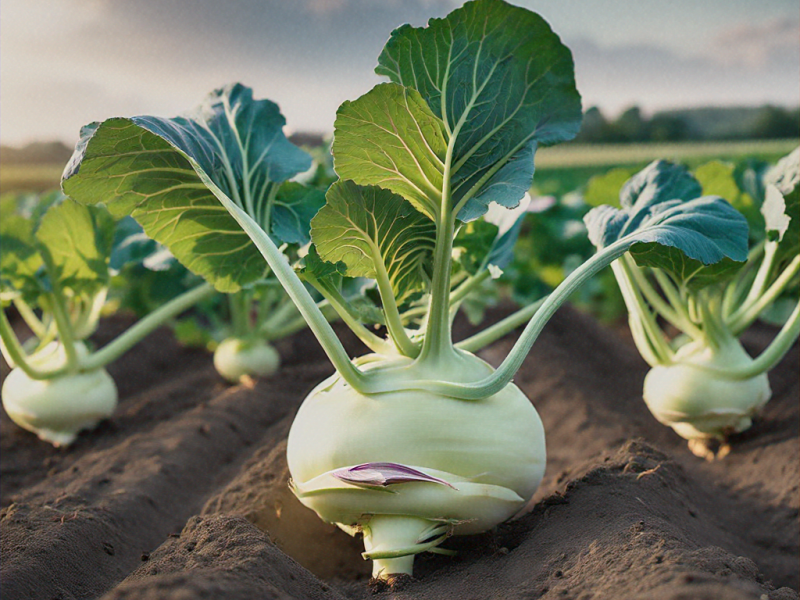
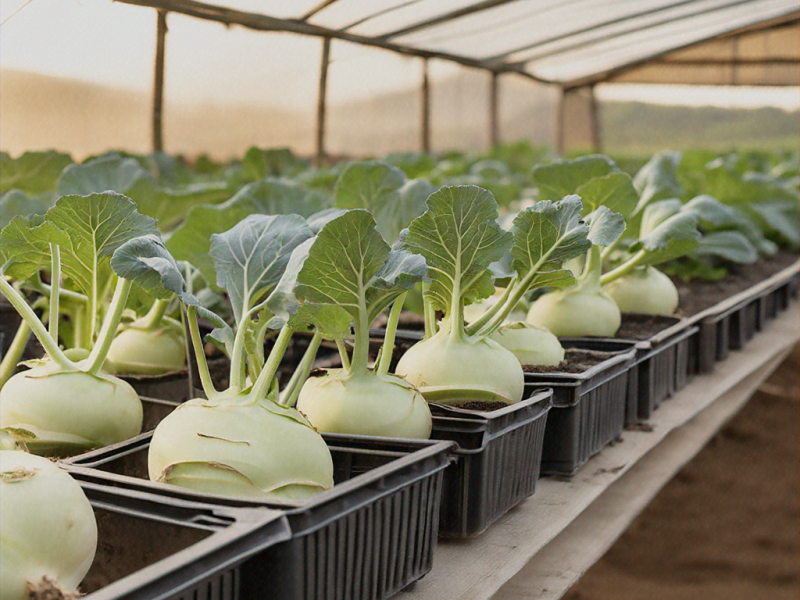
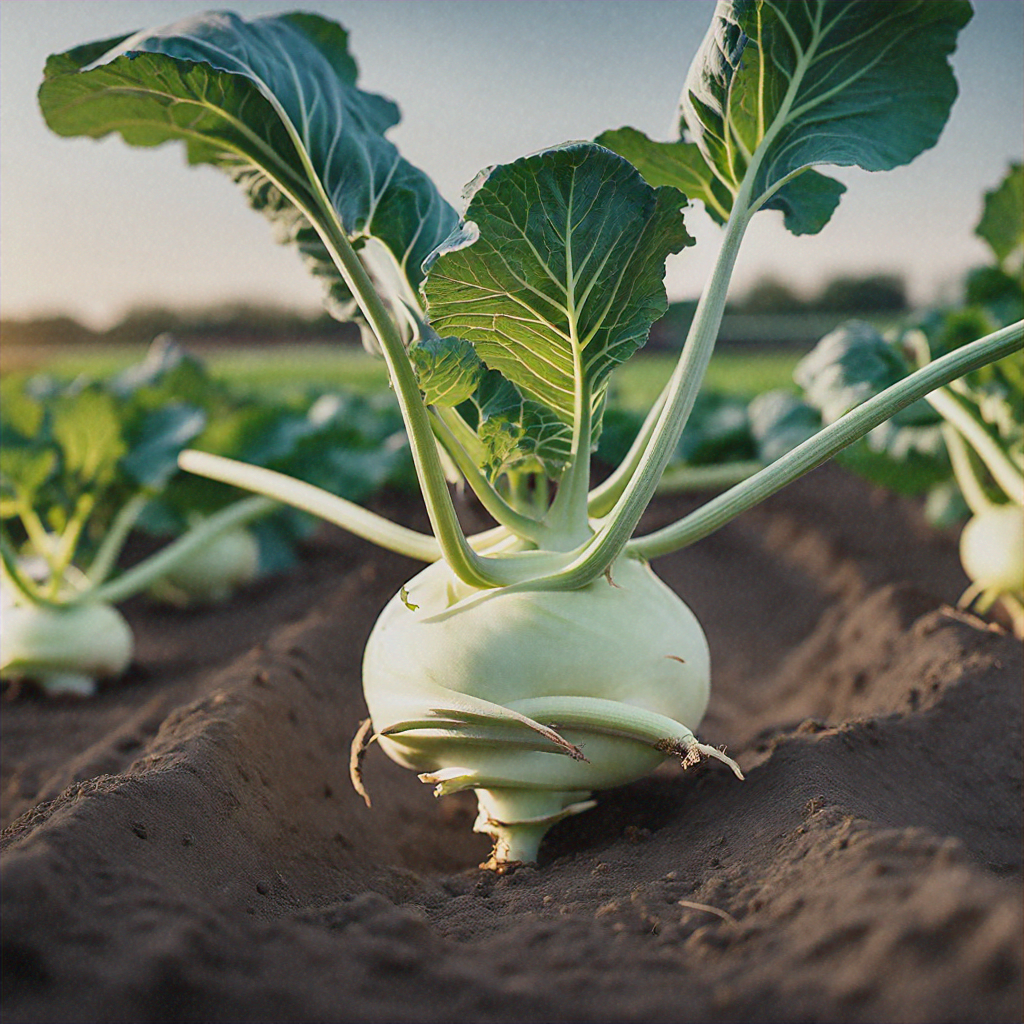
Kohlrabi, scientifically known as Brassica oleracea var. gongylodes, is a biennial vegetable that is closely related to cabbage, broccoli, and cauliflower. Unlike its leafy cousins, the edible part of the plant is the swollen stem, which grows above the ground, giving it a distinctive appearance that has earned it the nickname “German turnip.” Kohlrabi comes in various colors, including green, purple, and white, and can be enjoyed raw or cooked, lending itself to a wide range of culinary applications.
Planting and Growing Kohlrabi in Iowa
Kohlrabi thrives in the temperate climate and nutrient-rich soils of Iowa, making it an excellent choice for both backyard gardens and larger-scale farming operations. To ensure a successful kohlrabi harvest, follow these best practices:
Soil Preparation
- Choose a well-drained, fertile soil with a pH between 6.0 and 7.5.
- Incorporate organic matter, such as compost or well-rotted manure, to improve soil structure and nutrient content.
- Ensure the soil is loose and friable, as kohlrabi requires minimal soil compaction for optimal growth.
Planting and Spacing
- Sow seeds directly in the ground as soon as the soil can be worked in early spring, typically around mid-April in Iowa.
- Plant seeds 1/4 to 1/2 inch deep and 6 to 8 inches apart in rows spaced 18 to 24 inches apart.
- For a continuous harvest, plant successive crops every 2 to 3 weeks until mid-summer.
- Thin seedlings to 6 to 8 inches apart when they are 2 to 3 inches tall.
Water and Nutrient Management
- Kohlrabi requires consistent moisture throughout the growing season, with about 1 inch of water per week, either from rainfall or irrigation.
- Avoid letting the soil dry out, as this can cause the kohlrabi to become woody or bitter.
- Fertilize with a balanced, slow-release fertilizer at planting and again midway through the growing season.
- Supplement with compost tea or fish emulsion to provide additional nutrients as needed.
Pest and Disease Management
- Common pests include aphids, cabbage worms, and flea beetles, which can be controlled using organic methods such as companion planting, hand-picking, or applying insecticidal soap.
- Diseases like clubroot and black rot can be prevented by practicing crop rotation and providing well-drained soil.
- Protect plants from extreme heat and cold by using row covers or other protective measures when necessary.
Harvesting and Storing Kohlrabi
The key to a bountiful kohlrabi harvest is knowing when to harvest and how to properly store the crop. Follow these guidelines to ensure you get the most out of your kohlrabi:
Harvest Time
- Kohlrabi is ready to harvest when the swollen stem, or “bulb,” is 2 to 4 inches in diameter, typically 45 to 60 days after sowing.
- For the best flavor and texture, harvest kohlrabi when it is young and tender, before it becomes woody or fibrous.
- Gently pull the plant from the ground, making sure to keep the leaves and stem intact.
Post-Harvest Handling
- Trim the leaves and stems, leaving about 1 inch of the stem attached to the bulb.
- Wash the kohlrabi thoroughly to remove any dirt or debris.
- Allow the kohlrabi to air dry, then store in a cool, dry place, such as the refrigerator, for up to 2 weeks.
- For longer-term storage, kohlrabi can be peeled, sliced, and frozen for up to 8 months.
Culinary Uses and Nutritional Benefits
Kohlrabi is a versatile vegetable that can be enjoyed in a variety of ways, from raw to cooked. Its mild, slightly sweet flavor and crisp texture make it a popular addition to salads, slaws, and vegetable medleys. Kohlrabi can also be roasted, sautéed, or even used in soups and stews. Additionally, the leaves of the kohlrabi plant are edible and can be used like any other leafy green, adding a nutrient-dense boost to your meals.
Nutritionally, kohlrabi is a powerhouse. It is rich in essential vitamins and minerals, including vitamin C, vitamin K, folate, and potassium. Additionally, kohlrabi is a good source of dietary fiber, which can aid in digestion and promote overall gut health. Furthermore, kohlrabi contains glucosinolates, which are compounds that have been linked to reduced risk of certain types of cancer.
Integrating Kohlrabi into Your Iowa Kitchen
Now that you have a comprehensive understanding of growing and harvesting kohlrabi, it’s time to explore the culinary possibilities. Here are a few ideas to get you started:
Raw Kohlrabi Slaw
Shred or julienne kohlrabi and toss with a tangy vinaigrette, diced apples, and toasted walnuts for a refreshing and crunchy slaw. Serve as a side dish or top your favorite salad.</
Roasted Kohlrabi Wedges
Peel and cut kohlrabi into wedges, toss with olive oil, salt, and pepper, then roast in the oven until tender and caramelized. Serve as a simple side dish or incorporate into a medley of roasted vegetables.
Kohlrabi and Apple Soup
Sauté diced kohlrabi and onions, then add vegetable broth and diced apples. Simmer until the vegetables are tender, then puree the mixture for a creamy, comforting soup. Garnish with a swirl of yogurt and a sprinkle of fresh herbs.
Conclusion
Kohlrabi is a unique and versatile vegetable that deserves a place in every Iowa gardener’s and cook’s repertoire. With its crisp texture, mild flavor, and impressive nutritional profile, kohlrabi is a true gem that can elevate your culinary creations and contribute to a healthier, more sustainable food system. By following the best practices outlined in this guide, you can successfully grow and harvest this underappreciated vegetable, and unlock a world of culinary possibilities right in your own kitchen.