Kohlrabi Kitchen & Harvest in Maharashtra: Expert Guide, Best Practices & Pro Tips
In the vibrant agricultural landscape of Maharashtra, one vegetable stands out as a true culinary gem: Kohlrabi. A member of the cabbage family, this unique and versatile crop has captivated the hearts and palates of both local farmers and savvy chefs alike. In this comprehensive guide, we’ll delve into the world of Kohlrabi cultivation, harvesting, and culinary applications, equipping you with the knowledge and expertise to unlock the full potential of this remarkable vegetable.
Understanding Kohlrabi: A Unique Vegetable with Diverse Applications
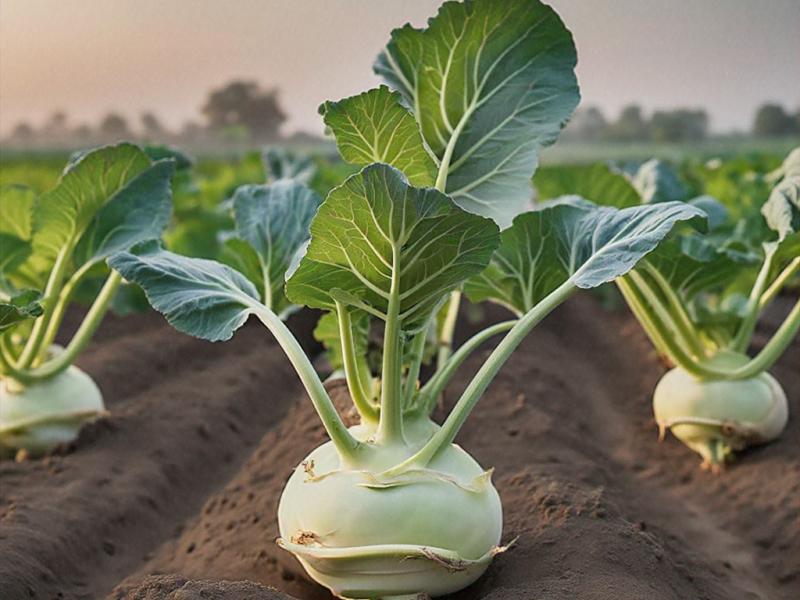
Kohlrabi, also known as “German Turnip” or “Cabbage Turnip,” is a cruciferous vegetable that boasts a distinctive shape and flavor. Its bulbous, swollen stem, which sits just above the ground, is the primary edible portion, while the leaves and stems are also commonly consumed. Kohlrabi is prized for its crisp texture, mild, slightly sweet taste, and its ability to thrive in a wide range of climatic conditions, making it a valuable addition to the diverse agricultural offerings of Maharashtra.
What sets Kohlrabi apart is its versatility in the kitchen. From raw, crunchy salads to roasted, caramelized delights, this vegetable can be enjoyed in a multitude of ways. Its adaptability extends to various cultural cuisines, seamlessly blending into traditional Maharashtrian dishes as well as international culinary creations.
Cultivation Practices: Optimal Growing Conditions for Kohlrabi
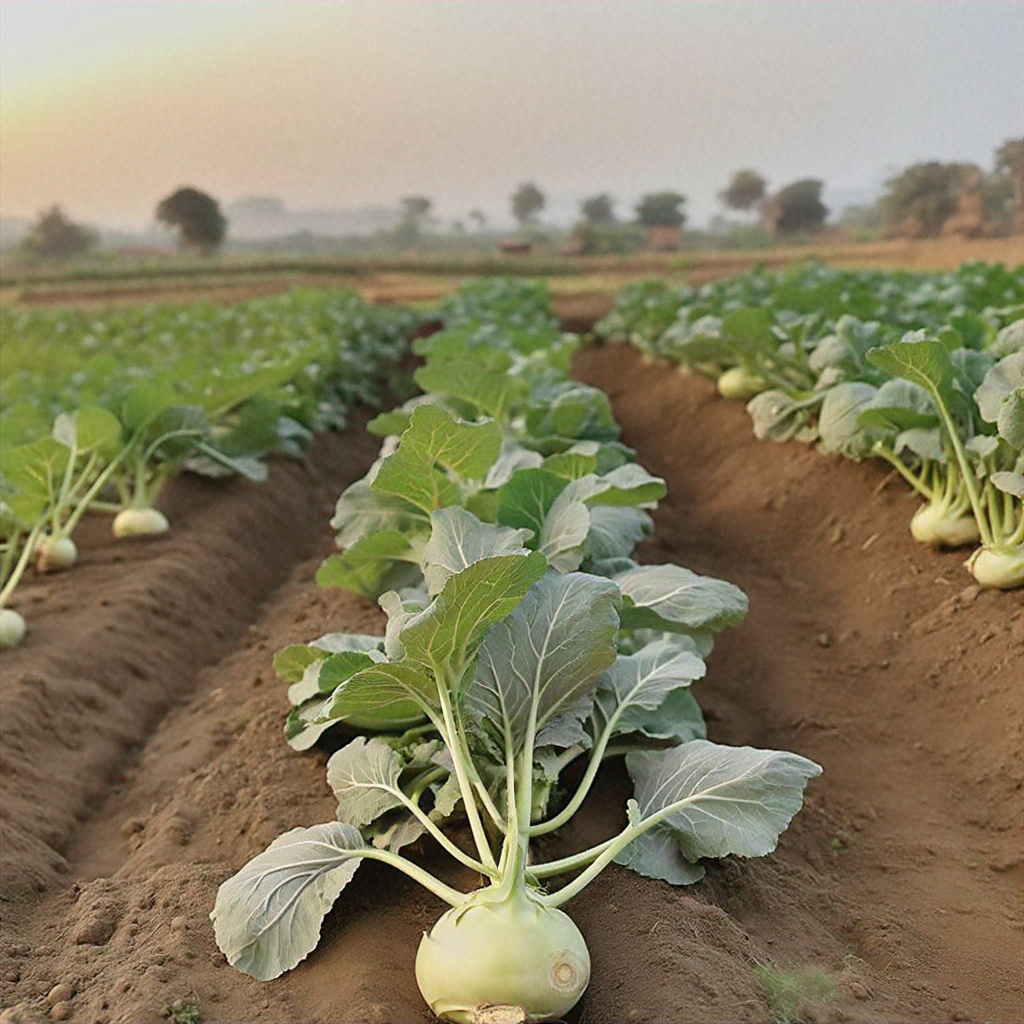
Kohlrabi thrives in the temperate climate of Maharashtra, with its ability to grow well in both cool and warm seasons. The optimal growing conditions for Kohlrabi include:
- Soil Composition: Kohlrabi prefers well-drained, nutrient-rich soil, with a pH range of 6.0 to 7.5. Organic matter should be incorporated into the soil to enhance fertility and water-holding capacity.
- Temperature: Kohlrabi grows best in a temperature range of 15°C to 25°C. It can tolerate slightly cooler or warmer conditions, but extreme temperatures can affect its growth and quality.
- Sunlight: Kohlrabi requires full sun exposure, with at least 6 hours of direct sunlight per day. Partial shade can be tolerated, but it may result in reduced yields and less-developed bulbs.
- Irrigation: Consistent moisture is crucial for Kohlrabi cultivation. Regular watering, especially during the bulb formation stage, is necessary to ensure optimal growth and prevent premature bolting or cracking of the bulb.
Harvesting and Post-Harvest Handling: Ensuring Quality and Longevity
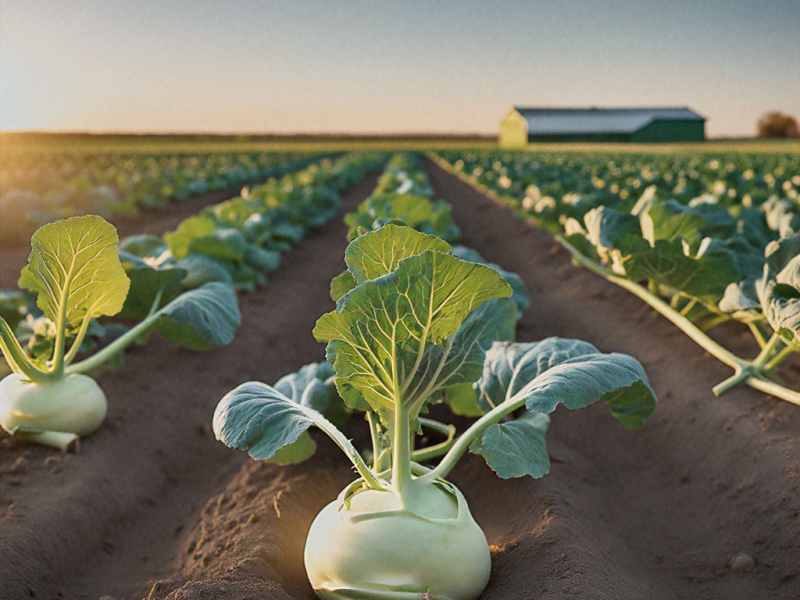
Timing is everything when it comes to harvesting Kohlrabi. The ideal time to harvest is when the bulb is approximately the size of a tennis ball, typically 50 to 70 days after sowing. Here are some expert tips for a successful Kohlrabi harvest:
- Harvest Timing: Monitor the growth of the bulb closely, and harvest when it has reached the desired size. Avoid letting the bulb become overly large, as this can result in a woody texture and loss of flavor.
- Harvesting Method: Gently loosen the soil around the base of the plant, then grasp the bulb and pull it up. Avoid pulling the plant by the leaves, as this can damage the root system.
- Post-Harvest Handling: Immediately remove the leaves and roots, leaving a short stem attached to the bulb. Wash the bulbs thoroughly to remove any dirt or debris, and store them in a cool, dry place, such as a refrigerator, to extend their shelf life.
- Storage and Transportation: Kohlrabi can be stored for up to 2-3 weeks when refrigerated. For longer-term storage or transportation, the bulbs can be placed in perforated plastic bags or crates to maintain optimal freshness and crispness.
Culinary Delights: Unlocking the Flavors of Kohlrabi
Kohlrabi’s versatility in the kitchen is one of the key reasons it has become a beloved ingredient among Maharashtrian chefs and home cooks. From raw preparations to cooked dishes, Kohlrabi can be enjoyed in a variety of ways:
- Raw Consumption: Kohlrabi can be eaten raw, either peeled or unpeeled, and sliced into thin matchsticks or grated for a crunchy addition to salads, slaws, or as a standalone snack.
- Roasted and Sautéed: Kohlrabi’s mild flavor makes it an excellent candidate for roasting or sautéing. Simply peel, cut into cubes or wedges, toss with oil, and roast until tender and caramelized. Sautéed Kohlrabi also pairs well with spices, herbs, and other vegetables.
- Curries and Stews: In traditional Maharashtrian cuisine, Kohlrabi is often incorporated into curries and stews, where its texture and flavor complement the rich, aromatic sauces.
- Kohlrabi Fritters: A popular street food and snack, Kohlrabi fritters (कोहळरबी भजी) are a delicious way to enjoy this vegetable. Grated or finely chopped Kohlrabi is mixed with spices, chickpea flour, and then deep-fried to golden perfection.
- Kohlrabi Soup: The mild, slightly sweet flavor of Kohlrabi makes it an excellent base for warm, comforting soups. Puree the roasted or sautéed Kohlrabi with broth, herbs, and spices for a creamy and satisfying dish.
Nutritional Benefits: Unlocking the Power of Kohlrabi
Kohlrabi is not only a culinary delight but also a powerhouse of nutrients. This versatile vegetable is packed with an impressive array of vitamins, minerals, and phytonutrients that contribute to its health-promoting properties:
- Vitamin C: Kohlrabi is an excellent source of vitamin C, providing nearly half the recommended daily intake in a single serving. This essential nutrient supports immune function, collagen production, and skin health.
- Fiber: With a high fiber content, Kohlrabi can aid in digestion, promote feelings of fullness, and contribute to overall gut health.
- Potassium: This mineral plays a crucial role in maintaining healthy blood pressure and supporting cardiovascular function.
- Antioxidants: Kohlrabi is rich in various antioxidants, including vitamin C, vitamin K, and carotenoids, which help neutralize harmful free radicals and protect against oxidative stress.
- Low in Calories: Kohlrabi is a low-calorie vegetable, making it an excellent choice for those seeking a nutrient-dense, yet calorie-conscious addition to their diet.
Incorporating Kohlrabi into Your Lifestyle: Tips and Recipes
Integrating Kohlrabi into your daily routine can be a delicious and nutritious way to enhance your overall well-being. Here are some tips and recipes to help you get started:
- Kohlrabi Salad: Shred or julienne Kohlrabi and toss it with a tangy vinaigrette, fresh herbs, and your choice of additional vegetables for a crisp and refreshing salad.
- Roasted Kohlrabi Wedges: Peel and cut Kohlrabi into wedges, toss with olive oil, salt, and pepper, then roast in the oven until tender and caramelized.
- Kohlrabi Curry: Sauté diced Kohlrabi with onions, garlic, and your choice of spices, then simmer in a flavorful tomato-based curry sauce for a comforting and satisfying dish.
- Kohlrabi Slaw: Grate or thinly slice Kohlrabi and combine it with shredded cabbage, carrots, and a creamy, tangy dressing for a crunchy and refreshing slaw.
- Kohlrabi Fritters: Grate or finely chop Kohlrabi, mix it with chickpea flour, spices, and herbs, then pan-fry or deep-fry into crispy, golden fritters.
By embracing the versatility and nutritional benefits of Kohlrabi, you can unlock a world of culinary possibilities and contribute to the vibrant agricultural landscape of Maharashtra. Whether you’re a seasoned home cook or a curious foodie, Kohlrabi is a vegetable worth exploring and incorporating into your daily meals.