
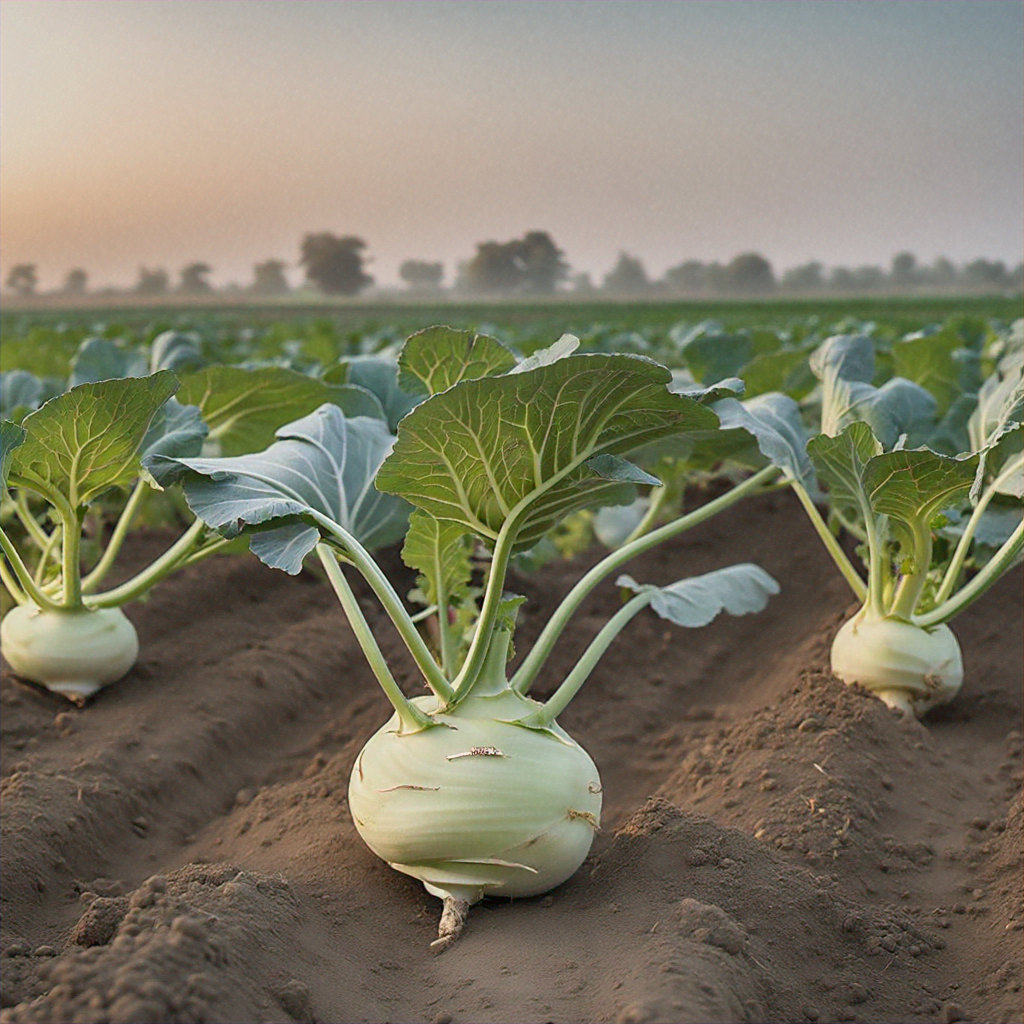
Kohlrabi Cultivation in Uttar Pradesh: Kitchen & Harvest – Varieties, Soil & Harvest
In the vast and diverse agricultural landscape of Uttar Pradesh, one vegetable stands out as a versatile and nutritious addition to the local cuisine – the humble kohlrabi. This unique member of the cabbage family has captured the attention of both home gardeners and commercial farmers alike, thanks to its adaptability, culinary versatility, and potential to contribute to the overall well-being of the region’s population.
Kohlrabi, often referred to as the “turnip-rooted cabbage,” is a cool-season vegetable that thrives in the temperate climate of Uttar Pradesh. Its edible bulb-like stem, which can be white, purple, or green in color, is the primary focus of cultivation, offering a delightful crunch and a delicate, slightly sweet flavor when prepared in a variety of dishes.
Varieties of Kohlrabi Grown in Uttar Pradesh
Uttar Pradesh is home to a diverse array of kohlrabi varieties, each with its own unique characteristics and culinary applications. Some of the most commonly cultivated varieties in the region include:
- Early White Vienna: A classic variety with a smooth, pale green bulb and a mild, sweet flavor. Ideal for early-season harvests and quick cooking methods.
- Purple Vienna: Boasting a striking purple-hued exterior, this variety offers a slightly more pronounced flavor and a crisp, dense texture.
- Crispy Green: A popular selection among local farmers, this variety showcases a vibrant green bulb and a crunchy, juicy interior that holds up well to various culinary preparations.
- Superschmelz: A unique German-bred variety that produces exceptionally large kohlrabi bulbs, making it a popular choice for commercial growers and those looking to maximize yields.
Optimal Soil Conditions for Kohlrabi Cultivation
Kohlrabi thrives in well-drained, nutrient-rich soil with a slightly acidic to neutral pH range (6.0 to 7.5). The soils of Uttar Pradesh, which are predominantly alluvial in nature, provide an excellent foundation for successful kohlrabi cultivation.
To ensure optimal growth and development, farmers in Uttar Pradesh often amend their soil with organic matter, such as compost or well-rotted manure, prior to planting. This helps to improve soil structure, water-holding capacity, and nutrient availability, all of which are crucial for the healthy growth of kohlrabi plants.
Additionally, regular soil testing is recommended to identify any nutrient deficiencies or imbalances, allowing farmers to make targeted amendments and provide their kohlrabi crops with the necessary nutrients for robust growth and high-quality yields.
Planting and Cultivation Techniques
Kohlrabi can be grown from both seeds and transplants, with many farmers in Uttar Pradesh opting for the latter method to give their crops a head start and achieve earlier harvests.
The typical planting schedule in Uttar Pradesh involves sowing seeds or transplanting seedlings in the cooler months, typically between September and November, to take advantage of the mild temperatures and ample moisture during the winter season. This timing ensures that the kohlrabi plants can develop and mature before the onset of the hotter summer months.
Proper spacing is crucial for kohlrabi cultivation, with recommended in-row spacing of 30-45 cm and between-row spacing of 45-60 cm. This allows for adequate air circulation and access to sunlight, which are essential for the development of healthy, robust plants.
Consistent moisture management is also a key component of successful kohlrabi cultivation in Uttar Pradesh. Farmers often implement irrigation systems, such as drip or sprinkler irrigation, to ensure that the plants receive the necessary water throughout the growing season, especially during periods of low rainfall.
Pest and Disease Management
As with any crop, kohlrabi cultivation in Uttar Pradesh is not without its challenges. Farmers must be vigilant in monitoring and managing various pests and diseases that can potentially impact the health and yield of their kohlrabi plants.
Some common pests that affect kohlrabi crops in the region include:
- Aphids: Small, sap-sucking insects that can cause stunted growth and distorted leaves.
- Cabbage worms: Larvae of butterflies and moths that feed on the leaves and bulbs.
- Flea beetles: Small, jumping beetles that create characteristic shot-hole damage on the leaves.
To combat these pests, farmers in Uttar Pradesh often employ a combination of organic and conventional pest control methods, such as the use of beneficial insects, natural repellents, and targeted application of approved insecticides.
Common diseases that can impact kohlrabi cultivation include:
- Clubroot: A soil-borne disease that causes the roots to swell and become distorted, leading to stunted growth and wilting.
- Alternaria leaf spot: A fungal disease that results in the formation of circular, brown spots on the leaves.
- Black rot: A bacterial disease that causes the leaves and stems to turn yellow, wilt, and eventually rot.
To mitigate the risks of these diseases, farmers in Uttar Pradesh focus on maintaining optimal soil conditions, encouraging good air circulation, and, if necessary, using approved fungicides or bactericides to protect their kohlrabi crops.
Harvesting and Post-Harvest Handling
The timing of the kohlrabi harvest is crucial, as the vegetable’s flavor and texture are at their peak when the bulbs are young and tender. In Uttar Pradesh, kohlrabi is typically harvested when the bulbs are 4-6 inches in diameter, typically around 50-70 days after sowing or transplanting.
Farmers in the region often use a combination of visual cues, such as the bulb size and the color of the leaves, to determine the optimal harvest time. The kohlrabi bulbs are carefully pulled from the ground, ensuring that the leaves and stems are left intact to maintain the vegetable’s freshness and shelf life.
Post-harvest handling is equally important to maintain the quality and safety of the kohlrabi produce. Farmers in Uttar Pradesh often follow these best practices:
- Gently removing any soil or debris from the bulbs and leaves.
- Storing the harvested kohlrabi in a cool, well-ventilated area to preserve freshness.
- Avoiding exposure to direct sunlight or high temperatures, which can cause the bulbs to become woody or bitter.
- Transporting the kohlrabi to local markets or distribution centers in a timely manner to minimize handling and ensure optimal freshness.
Culinary Uses and Nutritional Benefits
Kohlrabi is a versatile vegetable that can be enjoyed in a variety of culinary applications, making it a valuable addition to the local cuisine of Uttar Pradesh. From raw salads and crunchy slaws to roasted, sautéed, or steamed dishes, kohlrabi’s unique flavor and texture lend themselves well to diverse cooking methods.
In Uttar Pradesh, kohlrabi is often used in traditional Indian dishes, such as curries, stir-fries, and even pickles. The crunchy bulb can be sliced, diced, or grated, while the tender leaves can be sautéed or added to soups and stews.
Nutritionally, kohlrabi is a powerhouse, offering a range of essential vitamins, minerals, and phytonutrients that contribute to overall health and well-being. Some of the key nutrients found in kohlrabi include:
- Vitamin C: Supports immune function and collagen production.
- Vitamin B6: Aids in the metabolism of proteins and red blood cell formation.
- Potassium: Helps maintain healthy blood pressure and muscle function.
- Fiber: Promotes digestive health and regularity.
By incorporating kohlrabi into their daily diets, the people of Uttar Pradesh can benefit from its nutritional profile and enjoy the versatility it offers in the kitchen. As a result, the cultivation and consumption of this humble vegetable can play a vital role in enhancing the overall health and well-being of the region’s population.
Conclusion
Kohlrabi cultivation in Uttar Pradesh is a testament to the region’s agricultural resilience and its commitment to providing nutritious, locally-grown produce to its people. From the diverse array of cultivars to the optimal soil conditions and meticulous cultivation techniques, the efforts of farmers in Uttar Pradesh have elevated the status of this unique vegetable, making it a valuable contributor to the region’s culinary heritage and human welfare.
As the demand for fresh, nutritious, and locally-sourced food continues to grow, the cultivation of kohlrabi in Uttar Pradesh stands out as a shining example of how agricultural innovation and sustainable practices can positively impact both the community and the environment. By embracing the versatility and health benefits of kohlrabi, the people of Uttar Pradesh can continue to enjoy this remarkable vegetable and reap the rewards of its cultivation for years to come.