Growing Kohlrabi – Kitchen & Harvest for China: Complete Guide & Best Practices
In the realm of agricultural endeavors, few crops hold the same versatility and nutritional value as kohlrabi. This unassuming member of the Brassica family has gained significant popularity in China, where its unique flavor and multitude of culinary applications have made it a staple in many kitchens. As we delve into the world of growing kohlrabi, let us explore the complete guide and best practices to ensure a bountiful harvest that nourishes both body and soul.
Understanding Kohlrabi
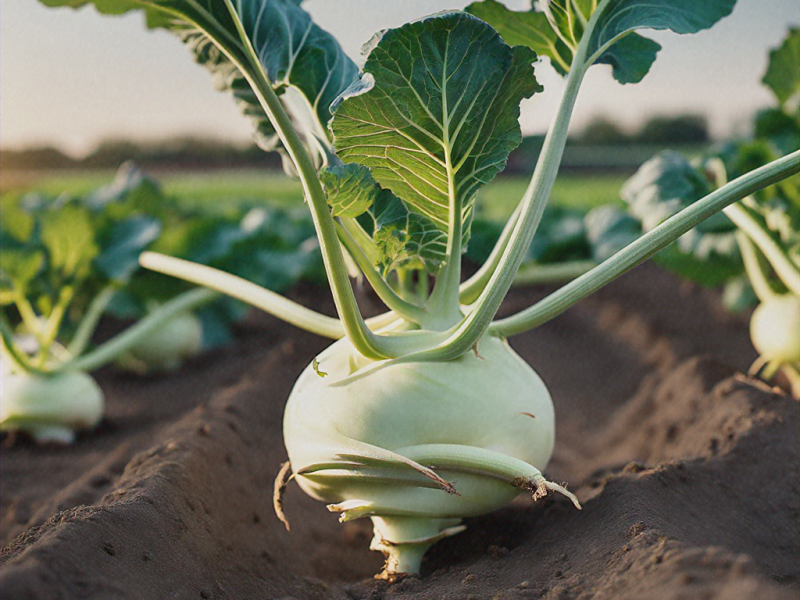
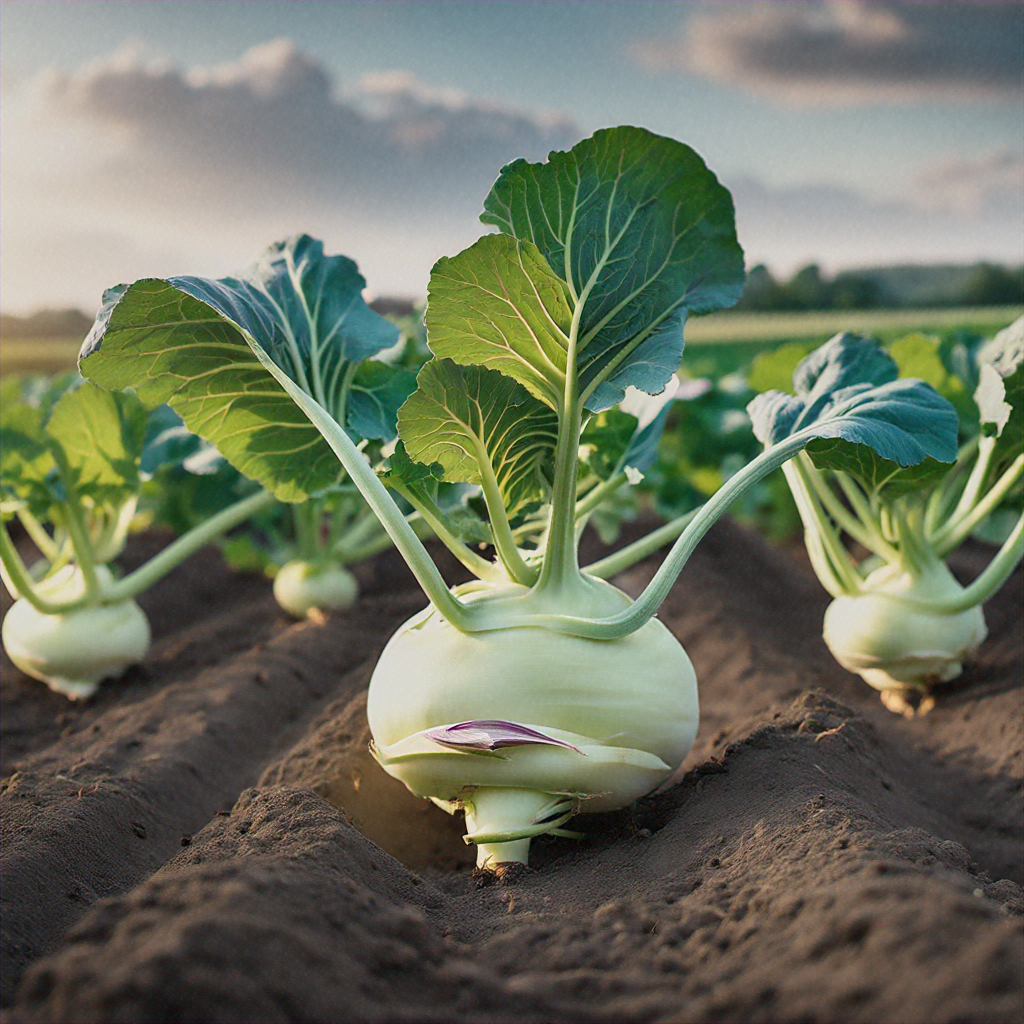
Kohlrabi, often referred to as the “German turnip,” is a cultivar of the Brassica oleracea species, which also includes other familiar vegetables such as cabbage, broccoli, and cauliflower. Unlike its leafy cousins, kohlrabi is prized for its edible, swollen stem, which can be enjoyed raw, cooked, or incorporated into a variety of dishes.
In China, kohlrabi has gained a loyal following due to its crisp texture, mild, sweet flavor, and versatility in the kitchen. From stir-fries and soups to pickles and salads, this versatile vegetable has carved out a unique niche in the diverse culinary landscape of the country.
Cultivation and Growing Conditions
Kohlrabi thrives in cool, temperate climates, making it an excellent choice for cultivation in many regions of China. To ensure a successful kohlrabi harvest, consider the following growing conditions:
- Soil Requirements: Kohlrabi prefers well-drained, nutrient-rich soil with a slightly acidic pH, typically ranging from 6.0 to 7.0. Amending the soil with compost or well-rotted manure can provide the necessary nutrients for optimal growth.
- Sunlight: Kohlrabi requires full sun exposure, with at least 6 hours of direct sunlight per day. This ensures the plant receives the necessary energy to produce a bountiful harvest.
- Temperature: Kohlrabi grows best in cool temperatures, with an ideal range between 15°C to 24°C. Excessive heat can cause the plant to bolt and diminish the quality of the edible stem.
- Water Requirements: Consistent moisture is crucial for kohlrabi cultivation. Aim to keep the soil consistently moist, but avoid waterlogging, which can lead to root rot and other issues.
Planting and Cultivation Practices
To ensure a successful kohlrabi harvest, follow these best practices for planting and cultivation:
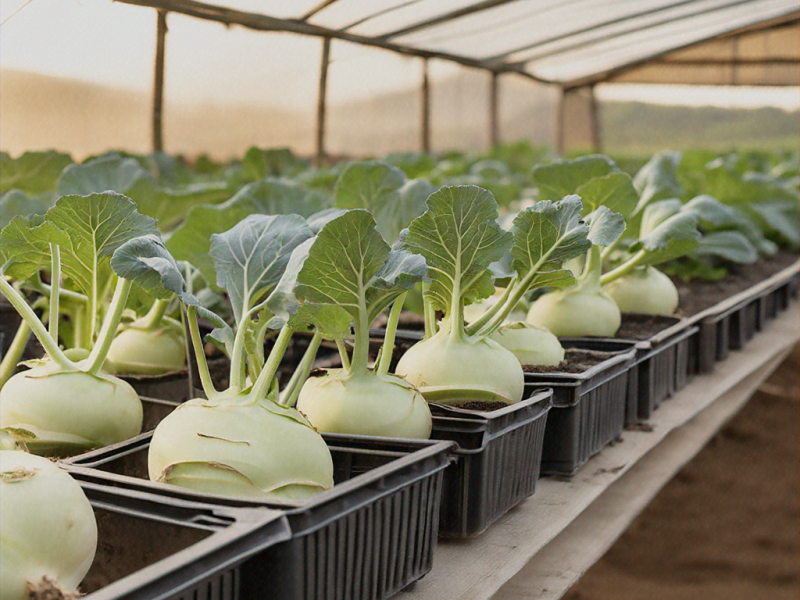
- Sowing and Transplanting: Kohlrabi can be grown from seed, either directly sown in the garden or started indoors and transplanted later. For direct sowing, plant the seeds about 1/2 inch deep and 12-18 inches apart. Transplant seedlings when they are 4-6 inches tall, spacing them 12-18 inches apart in rows.
- Succession Planting: To extend the kohlrabi harvest season, consider implementing a succession planting strategy. Sow seeds every 2-3 weeks for a continuous supply of fresh kohlrabi throughout the growing season.
- Mulching: Applying a layer of organic mulch, such as straw or shredded leaves, around the base of the plants can help retain soil moisture, suppress weeds, and provide additional nutrients as the mulch decomposes.
- Fertilization: Kohlrabi is a heavy feeder, so regular fertilization is essential. Apply a balanced, slow-release fertilizer at the time of planting and sidedress with a nitrogen-rich fertilizer every 4-6 weeks to ensure optimal growth and development.
- Pest and Disease Management: Vigilantly monitor your kohlrabi plants for common pests and diseases, such as aphids, cabbage worms, and clubroot. Employ organic pest control methods and practice crop rotation to maintain a healthy and productive garden.
Harvesting and Storage
Proper harvesting and storage techniques are crucial to ensure the quality and longevity of your kohlrabi crop. Here are the best practices to follow:
- Timing the Harvest: Kohlrabi is typically ready for harvest when the stem, or “bulb,” is 2-4 inches in diameter, usually 50-60 days after planting. Avoid letting the bulbs become too large, as they can become woody and lose their tender, crisp texture.
- Harvesting: Gently loosen the soil around the base of the plant and carefully pull the kohlrabi bulb from the ground. Avoid pulling on the leaves, as this can damage the plant. Twist and pull the bulb, ensuring you remove the entire stem, including the root system.
- Cleaning and Storing: After harvesting, remove the leaves and roots, leaving a short stem attached to the bulb. Wash the kohlrabi under cool running water to remove any dirt or debris. Allow the bulbs to air dry, then store them in the refrigerator, wrapped in a damp paper towel or stored in a perforated plastic bag. Properly stored kohlrabi can last for up to 2-3 weeks.
Culinary Versatility and Recipes
Kohlrabi’s versatility in the kitchen is what has made it such a beloved ingredient in Chinese cuisine. From raw preparations to cooked dishes, this vegetable can be enjoyed in a variety of ways:
- Raw: Kohlrabi can be enjoyed raw, either sliced thinly or grated, and incorporated into salads, slaws, or as a crunchy snack with dips.
- Stir-Fries: Diced or julienned kohlrabi can be a delightful addition to stir-fry dishes, adding a crisp texture and mild flavor to complement other vegetables and proteins.
- Soups and Stews: Kohlrabi can be cubed and added to hearty soups and stews, where its flavor and texture can enhance the overall dish.
- Roasted: Tossing kohlrabi wedges or cubes with oil, salt, and spices, then roasting them in the oven, results in a delicious, caramelized side dish.
- Pickled: Kohlrabi can be pickled, adding a crunchy, tangy element to salads, sandwiches, or as a standalone snack.
To showcase the versatility of kohlrabi, here are a few delectable recipes to try:
- Kohlrabi Slaw with Apples and Honey Vinaigrette: Grate or julienne kohlrabi and toss it with crisp apples, red onion, and a tangy-sweet honey vinaigrette for a refreshing and crunchy slaw.
- Stir-Fried Kohlrabi and Pork: Dice kohlrabi and stir-fry it with thinly sliced pork, garlic, ginger, and a savory soy-based sauce for a quick and flavorful dish.
- Roasted Kohlrabi with Garlic and Parmesan: Toss kohlrabi wedges with olive oil, minced garlic, salt, and pepper, then roast until tender and golden. Finish with a sprinkle of Parmesan cheese for a delicious side dish.
As you explore the world of kohlrabi, take the time to experiment with its many culinary applications and discover the unique ways it can elevate your cooking. Whether you’re enjoying it raw, cooked, or preserved, this versatile vegetable is sure to become a staple in your kitchen and a beloved part of your family’s meals.