Kohlrabi Cultivation in the United States: Kitchen & Harvest – Varieties, Soil & Harvest
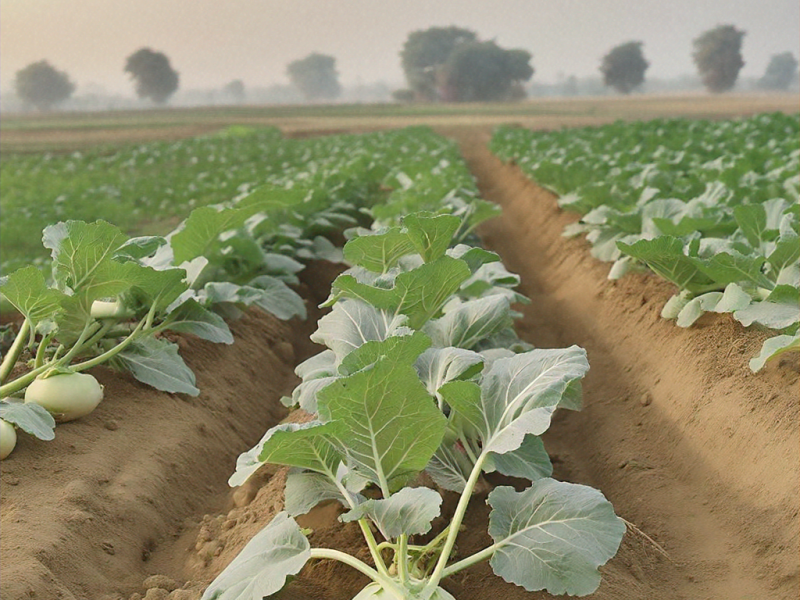
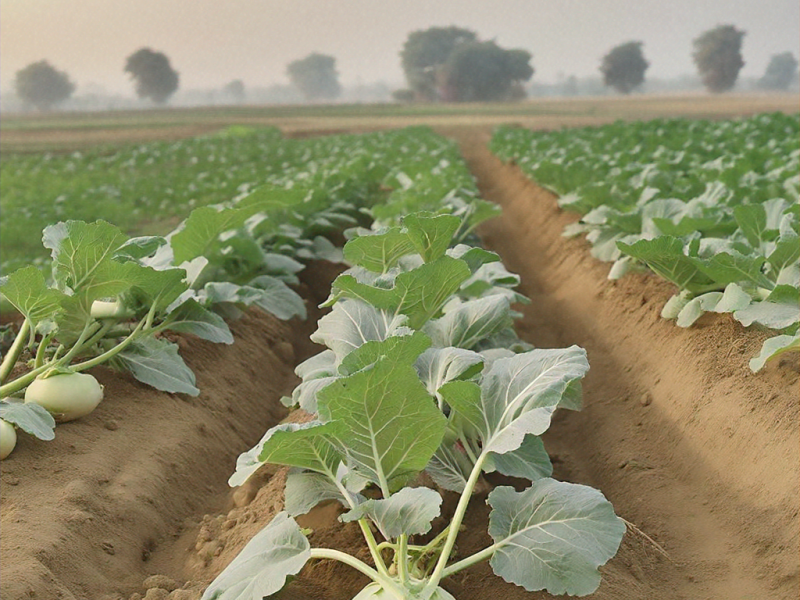
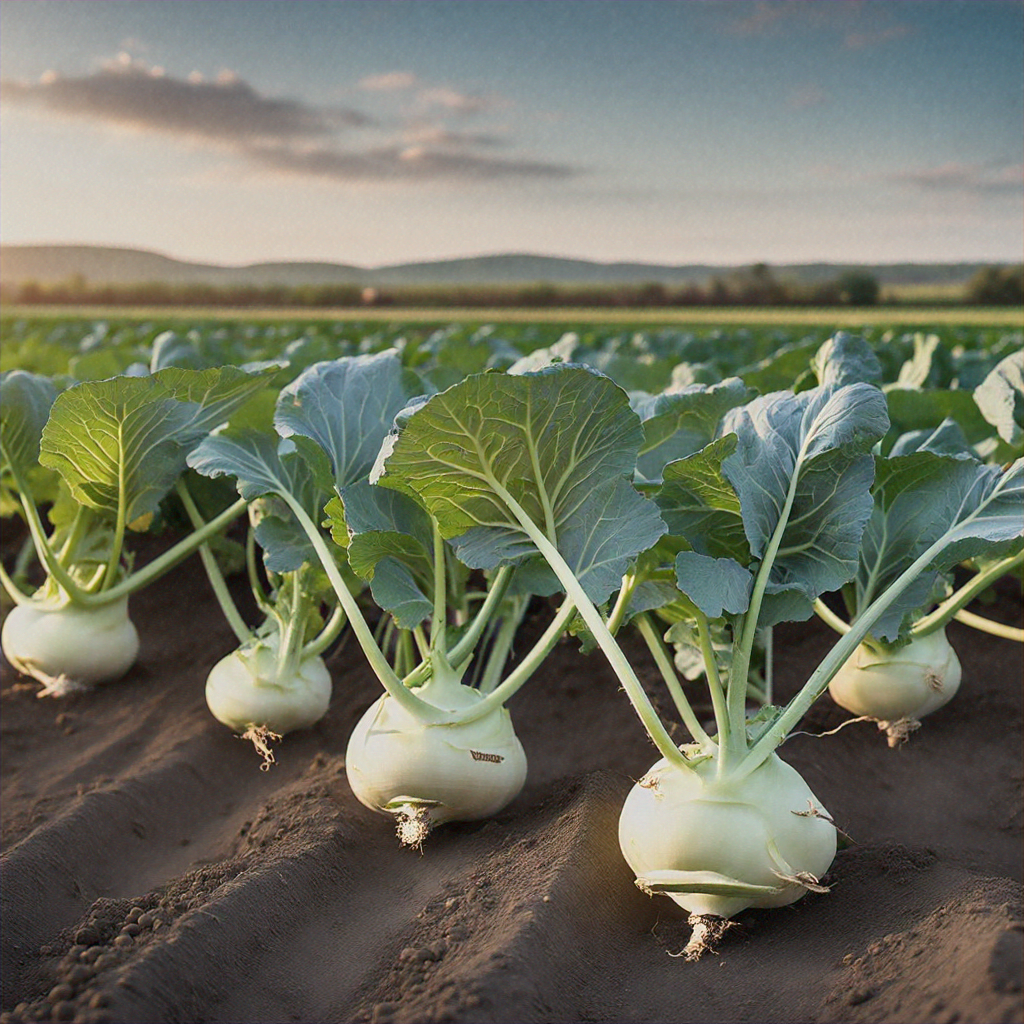
Kohlrabi, a unique member of the Brassica family, has gained significant popularity in the United States over the past few decades. This versatile vegetable, with its distinctive swollen stem, offers a delightful culinary experience and numerous health benefits. In this comprehensive guide, we will delve into the world of kohlrabi cultivation, exploring the various varieties, optimal growing conditions, and the art of harvesting this fascinating crop.
Understanding Kohlrabi Varieties
Kohlrabi comes in a range of colors, including white, purple, and even green. Each variety offers its own unique flavor profile and culinary applications. Some of the most popular kohlrabi cultivars grown in the United States include:
- White Vienna: A classic variety with a mild, sweet flavor and a crisp, juicy texture.
- Purple Vienna: Featuring a vibrant purple hue, this variety has a slightly spicier taste and a more fibrous texture.
- Superschmelz: A German variety known for its large, globe-shaped bulbs and exceptional tenderness.
- Azur Star: A unique cultivar with a blue-green hue and a delicate, almost nutty flavor.
- Kolibri: A compact variety that matures quickly, making it ideal for small gardens and containers.
When selecting kohlrabi varieties, consider your personal taste preferences, as well as the intended use in your kitchen. Some varieties may be better suited for raw consumption, while others excel in cooked dishes or even fermentation.
Ideal Growing Conditions for Kohlrabi
Kohlrabi thrives in cool, moist environments and can be cultivated as both a spring and fall crop in many regions of the United States. Understanding the specific soil and climate requirements for this vegetable is crucial for successful cultivation.
Soil Preferences
Kohlrabi prefers well-drained, fertile soil with a slightly acidic to neutral pH range (6.0 to 7.5). The soil should be rich in organic matter, which helps retain moisture and provide essential nutrients for the plant’s growth. Amending the soil with compost or well-rotted manure before planting can greatly improve its overall quality and fertility.
It’s important to avoid heavy, clay-based soils, as they can lead to issues such as poor root development and increased susceptibility to diseases. Raised beds or garden beds with a mix of loamy soil and organic matter can create an ideal environment for kohlrabi cultivation.
Climate and Temperature
Kohlrabi thrives in cool, temperate climates and is relatively tolerant of frost. The optimal growing temperature range for kohlrabi is between 55°F and 75°F (13°C and 24°C). Exposed to high temperatures, the plants may bolt prematurely, leading to a woody, unpalatable texture.
In regions with warm summers, it’s best to grow kohlrabi as a spring or fall crop, taking advantage of the milder weather conditions. In colder climates, kohlrabi can be grown as a hardy winter crop, as it can withstand light frosts and even light snow.
Planting and Cultivation Practices
Kohlrabi can be grown from seed or transplanted as seedlings. For an early spring crop, start seeds indoors 4-6 weeks before the last expected frost date in your region. Transplant the seedlings into the garden once the soil can be worked and the weather is suitable.
When planting kohlrabi, ensure the seeds or seedlings are spaced approximately 12-18 inches (30-45 cm) apart, with rows spaced 24-36 inches (60-90 cm) apart. This allows for proper air circulation and ample room for the bulbs to develop.
Kohlrabi thrives with consistent moisture, so be sure to water the plants regularly, especially during dry spells. Mulching around the plants can help retain soil moisture and suppress weed growth.
Regular fertilization is also essential for optimal growth and development. Apply a balanced, slow-release fertilizer at the time of planting, and consider side-dressing with a nitrogen-rich fertilizer during the growing season to ensure the plants receive the necessary nutrients.
Harvesting and Storing Kohlrabi
Timing is crucial when it comes to harvesting kohlrabi. The optimal time to harvest is when the bulbs are 2-4 inches (5-10 cm) in diameter, usually 50-60 days after planting. Larger bulbs can become woody and fibrous, so it’s important to monitor the size and harvest them before they become overgrown.
To harvest, simply grasp the base of the plant and pull it up gently, ensuring that the entire bulb is removed from the soil. Brush off any excess soil, but avoid washing the bulbs until you’re ready to use them, as this can promote premature spoilage.
After harvesting, the leaves and stems can be removed, leaving about an inch (2.5 cm) of the stem attached to the bulb. Store the kohlrabi in the refrigerator, either in a plastic bag or a sealed container, for up to two weeks. Be sure to keep the bulbs hydrated by misting them with water or wrapping them in a damp paper towel.
Culinary Versatility of Kohlrabi
Kohlrabi is a highly versatile vegetable that can be enjoyed in a variety of culinary preparations. The bulb can be eaten raw, sliced into salads or dipped in hummus or ranch dressing for a refreshing snack. Kohlrabi also lends itself well to cooking methods such as steaming, sautéing, roasting, or even grilling.
When preparing kohlrabi, it’s important to peel away the tough, fibrous outer layer to reveal the tender, juicy interior. The leaves and stems are also edible and can be sautéed or added to soups and stews, much like kale or other leafy greens.
Kohlrabi can be used in a variety of dishes, from stir-fries and vegetable medleys to slaws, fritters, and even coleslaw. Its mild, slightly sweet flavor pairs well with a range of seasonings and spices, making it a versatile ingredient in both savory and sweet preparations.
Nutritional Benefits of Kohlrabi
Kohlrabi is not only delicious but also packed with a variety of essential nutrients and health benefits. It is an excellent source of vitamin C, providing nearly 60% of the recommended daily intake in a single serving. Kohlrabi also contains significant amounts of vitamins A and K, as well as minerals such as potassium, copper, and manganese.
Additionally, kohlrabi is a good source of dietary fiber, which can support digestive health and promote feelings of fullness. It also contains glucosinolates, a class of phytochemicals that have been linked to reduced risk of certain types of cancer.
Incorporating kohlrabi into your diet can be a fantastic way to boost your overall nutrient intake and support your overall health and well-being.
Conclusion
Kohlrabi is a unique and versatile vegetable that deserves a place in every home garden and kitchen. By understanding the optimal growing conditions, cultivation practices, and culinary applications, you can unlock the full potential of this remarkable Brassica crop.
Whether you’re a seasoned gardener or a curious home cook, exploring the world of kohlrabi cultivation and cuisine can be a truly rewarding experience. Embrace the diversity of kohlrabi varieties, experiment with different preparation methods, and savor the nutritional benefits this fascinating vegetable has to offer.