India Kohlrabi Farming – Kitchen & Harvest: Ultimate Guide & Expert Advice
In the vast and vibrant tapestry of India’s agricultural landscape, one vegetable stands out as a true gem – the kohlrabi. A member of the cabbage family, this unique and versatile crop has captured the hearts and palates of farmers and food enthusiasts alike. In this comprehensive guide, we delve into the world of kohlrabi farming in India, offering invaluable insights on cultivation, culinary applications, and expert advice to help you unlock the full potential of this remarkable vegetable.
Kohlrabi: A Unique and Underappreciated Vegetable
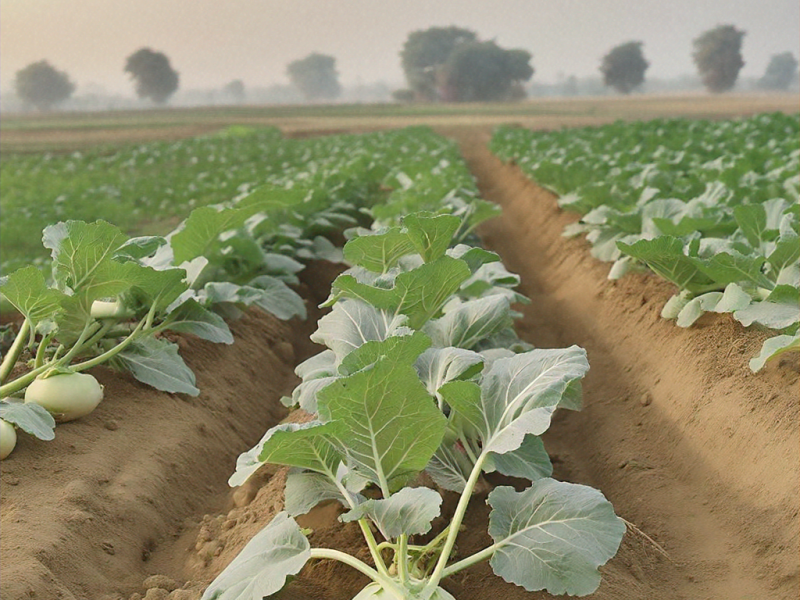
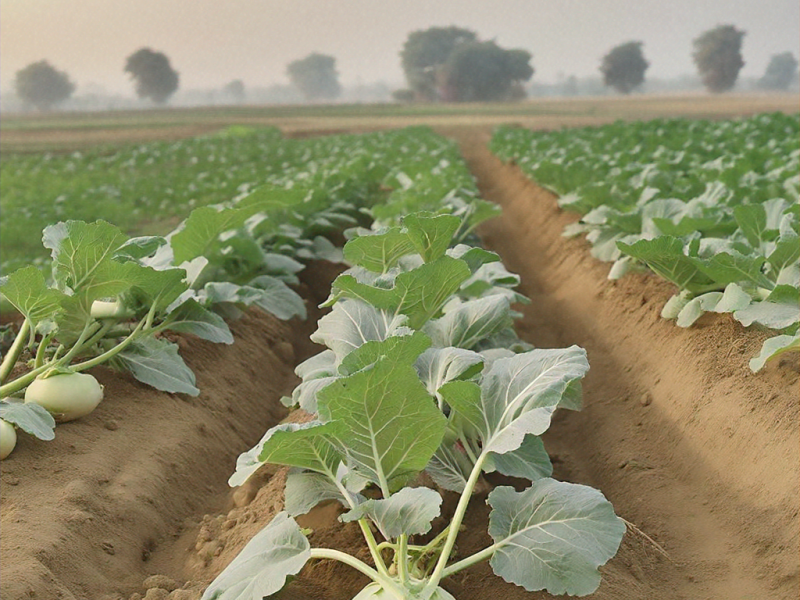
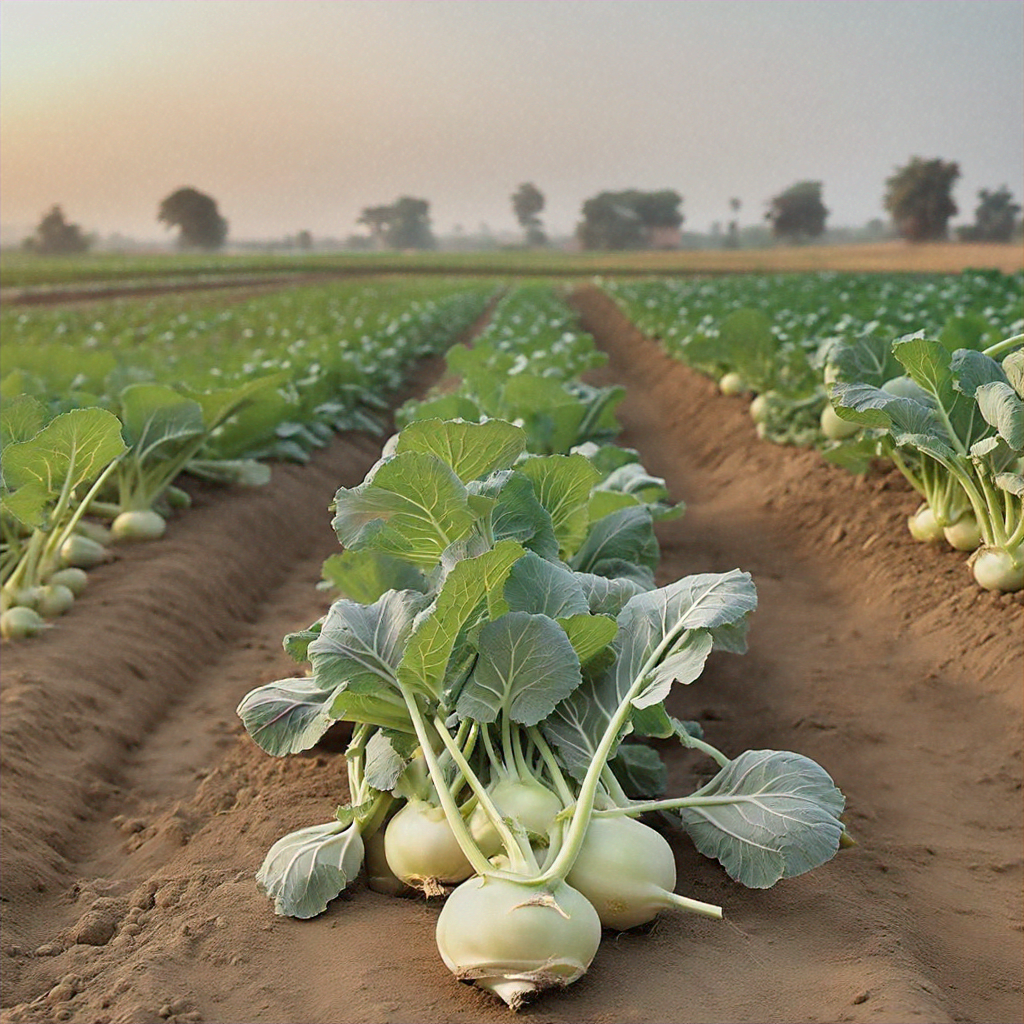
Kohlrabi, often referred to as the “cabbage turnip,” is a peculiar-looking vegetable that boasts a distinctive flavor and texture. Its bulbous, spherical shape, with its vibrant green or purple hue, sets it apart from its leafy cousins in the brassica family. Beneath the tough outer skin lies a crisp, juicy interior that can be enjoyed raw or cooked, offering a delightful balance of sweetness and a subtle, peppery kick.
Despite its growing popularity, kohlrabi remains an underutilized gem in the Indian culinary landscape. Its versatility, however, is what makes it a truly remarkable addition to any kitchen. From tender, young kohlrabi that can be sliced and enjoyed in salads to the mature bulbs that can be roasted, sautéed, or incorporated into curries, this vegetable offers a world of culinary possibilities.
Cultivating Kohlrabi in India: A Farmer’s Guide
Thriving in the diverse climatic conditions of India, kohlrabi can be grown successfully across various regions, making it a valuable crop for farmers. Whether you’re a seasoned agricultural professional or a budding backyard gardener, understanding the nuances of kohlrabi cultivation is key to maximizing your yields and ensuring a bountiful harvest.
Soil and Climate Requirements
Kohlrabi prefers well-drained, fertile soil with a slightly acidic to neutral pH, typically ranging from 5.5 to 7.0. The crop thrives in cool, temperate climates, with an optimal temperature range of 15°C to 25°C (59°F to 77°F) during the growing season. In India, kohlrabi can be cultivated in the hills, as well as in the plains, with the best yields often obtained during the winter months.
Sowing and Planting
Kohlrabi can be grown from seed or transplanted from seedlings. For direct sowing, plant the seeds about 1-2 cm deep and 30-45 cm apart in rows, with a row spacing of 45-60 cm. If starting from seedlings, transplant them when they are 4-6 weeks old, maintaining the same spacing as for direct sowing.
Cultivation and Care
- Watering: Kohlrabi requires consistent moisture throughout the growing season, ensuring that the soil is kept evenly moist but not waterlogged.
- Fertilization: Incorporate well-rotted compost or a balanced, nitrogen-rich fertilizer into the soil before planting. During the growing season, apply a side dressing of a nitrogen-based fertilizer every 4-6 weeks.
- Weed Management: Regular weeding is essential to eliminate competition for nutrients and water, as well as to prevent pests and diseases from taking hold.
- Pest and Disease Control: Common pests include aphids, cabbage worms, and flea beetles, while diseases such as clubroot and alternaria leaf spot can also affect the crop. Adopt integrated pest management (IPM) strategies and practice good sanitation to mitigate these challenges.
Harvesting and Post-Harvest Handling
The optimal time to harvest kohlrabi is when the bulbs are 5-10 cm in diameter, typically 50-70 days after sowing or transplanting. Gently loosen the soil around the base of the plant and pull the bulb out, leaving the leaves intact. Trim the leaves, leaving about 2-3 cm of the stem attached to the bulb, and wash the produce thoroughly.
After harvesting, kohlrabi can be stored in the refrigerator for up to 2-3 weeks, ensuring that the bulbs remain crisp and fresh. For longer-term storage, the bulbs can be peeled, sliced, and frozen for later use.
Culinary Delights: Exploring the Versatility of Kohlrabi
Kohlrabi’s versatility in the kitchen is one of the primary reasons for its growing popularity. Whether you’re looking to add a crunchy texture to salads, create hearty stews and curries, or experiment with unique kohlrabi-based recipes, this vegetable offers a world of culinary possibilities.
Raw and Crunchy
Kohlrabi’s crisp, juicy texture makes it an excellent choice for raw preparations. Thinly sliced or julienned, it can be added to fresh salads, serving as a nutritious and flavorful base. The bulbs can also be grated and incorporated into slaws, providing a delightful crunch and a slightly peppery kick.
Cooked Delights
Kohlrabi’s versatility shines when cooked. The bulbs can be roasted, sautéed, or steamed, revealing a sweet, nutty flavor that pairs well with various spices and seasonings. In India, kohlrabi is commonly used in curries, stir-fries, and even as a key ingredient in traditional dishes like the Gujarati Kohlrabi Curry.
Nutritional Powerhouse
In addition to its culinary merits, kohlrabi is a nutritional powerhouse. It is rich in vitamins C and K, as well as a good source of fiber, potassium, and folate. Incorporating kohlrabi into your diet can provide a wide range of health benefits, from boosting immune function to supporting bone health and aiding in digestion.
Expert Advice for Optimal Kohlrabi Cultivation and Utilization
To help you maximize your kohlrabi farming efforts and culinary explorations, we’ve sought the expertise of seasoned agricultural specialists and renowned chefs. Here’s what they have to say:
Agronomist’s Insights
“Kohlrabi is a hardy, adaptable crop that can thrive in diverse climatic conditions across India. The key to success lies in providing the right balance of nutrients, ensuring consistent moisture, and implementing effective pest and disease management strategies. By following best practices in cultivation, farmers can expect bountiful harvests and capitalize on the growing demand for this unique vegetable.”
Chef’s Recommendations
“Kohlrabi is an incredibly versatile ingredient that deserves more attention in Indian cuisine. From crunchy salads to hearty curries, the possibilities are endless. I love to experiment with different flavor pairings, such as combining kohlrabi with warm spices, citrus, or even tropical fruits. The key is to showcase the vegetable’s natural sweetness and balance it with complementary notes.”
Conclusion
Kohlrabi, a unique and underappreciated vegetable, holds immense potential for farmers and culinary enthusiasts alike. By understanding the nuances of kohlrabi cultivation, unlocking its versatility in the kitchen, and heeding the advice of experts, we can celebrate the bounty of this remarkable crop and contribute to the larger tapestry of India’s agricultural and culinary heritage. So, let’s embrace the kohlrabi and embark on a journey of discovery, where the rewards of exceptional harvests and delectable culinary creations await.