How to Grow Kohlrabi in Europe: Kitchen & Harvest – Complete How-To
Kohlrabi, a member of the cabbage family, is a unique and versatile vegetable that thrives in the European climate. Often overlooked, this nutrient-dense crop offers a delightful culinary experience and a wealth of health benefits. In this comprehensive guide, we’ll dive into the world of kohlrabi, exploring the best practices for growing, harvesting, and incorporating this remarkable vegetable into your kitchen repertoire.
Understanding Kohlrabi
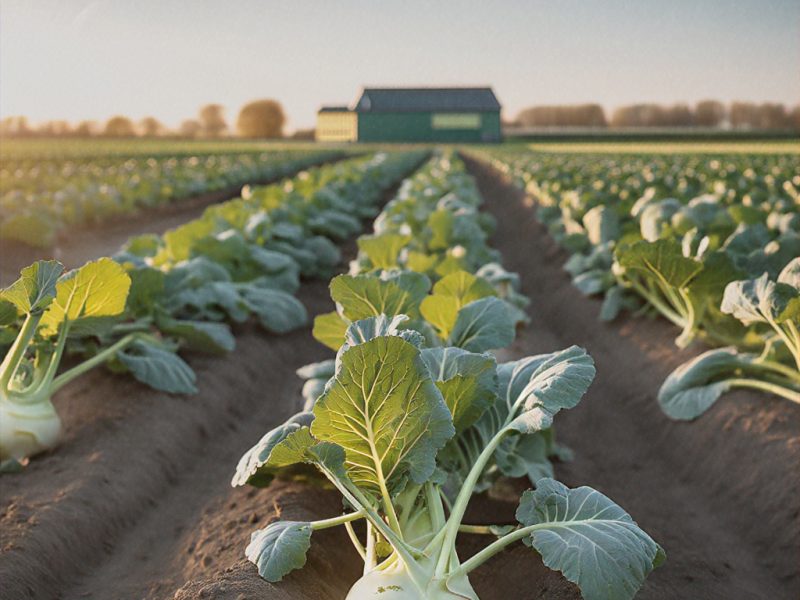
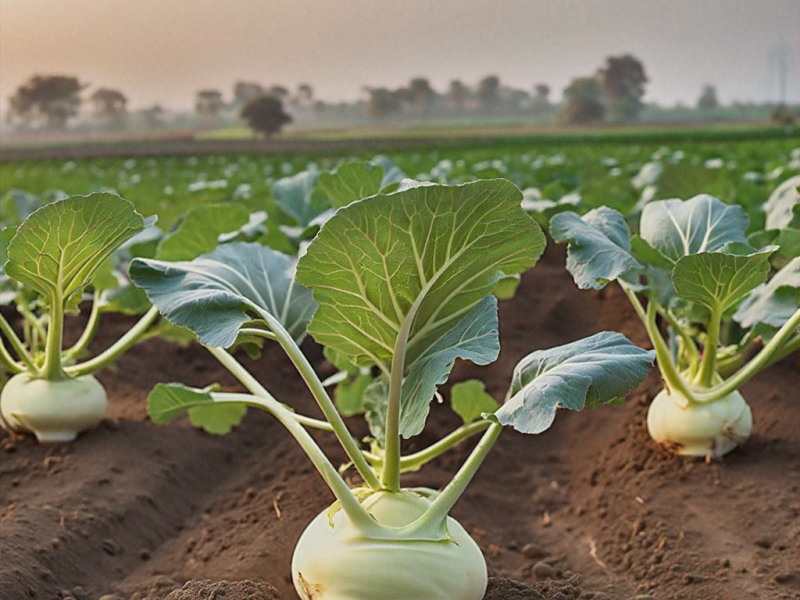
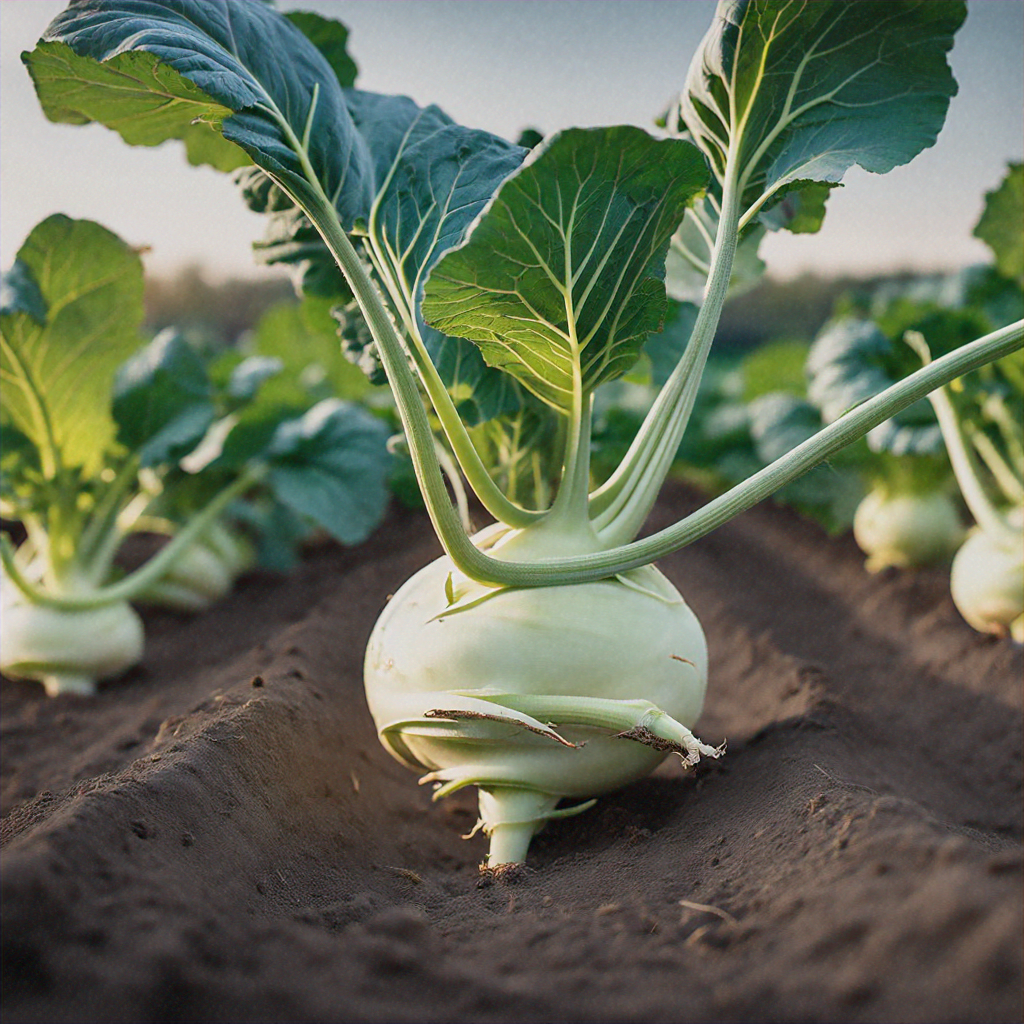
Kohlrabi, scientifically known as Brassica oleracea var. gongylodes, is a bulbous, turnip-shaped vegetable that grows above the ground. Its name derives from the German words “kohl” (cabbage) and “rübe” (turnip), reflecting its unique appearance and its place within the Brassica family. Kohlrabi comes in a variety of colors, including purple, white, and green, and each variety offers a slightly different flavor profile.
Kohlrabi is not only a delicious addition to your meals but also a nutritional powerhouse. It is rich in vitamins, minerals, and fiber, making it a valuable contribution to a healthy, balanced diet. Additionally, kohlrabi is relatively easy to grow, making it an excellent choice for home gardeners and small-scale farmers alike.
Growing Kohlrabi in Europe
Soil Preparation
Kohlrabi thrives in well-drained, nutrient-rich soil with a slightly acidic pH (between 6.0 and 7.0). Prepare the soil by incorporating organic matter, such as compost or aged manure, to improve soil structure and fertility. Ensure the soil is loosened to a depth of 8-10 inches (20-25 cm) to allow for easy root development.
Planting and Spacing
Kohlrabi can be grown from seed or transplanted as seedlings. For direct sowing, plant the seeds 1/2 inch (1.25 cm) deep and 4-6 inches (10-15 cm) apart in rows spaced 18-24 inches (45-60 cm) apart. If transplanting, set the seedlings 6-8 inches (15-20 cm) apart in rows spaced 18-24 inches (45-60 cm) apart.
Temperature and Light Requirements
Kohlrabi thrives in cool, temperate climates and performs best when grown in full sun, although it can tolerate partial shade. The optimal temperature range for kohlrabi is 55-75°F (13-24°C). Avoid planting during hot summer months, as extreme heat can cause the bulbs to become tough and fibrous.
Watering and Fertilizing
Consistent moisture is essential for healthy kohlrabi growth. Water the plants regularly, ensuring the soil remains moist but not waterlogged. Provide 1-2 inches (2.5-5 cm) of water per week, adjusting as needed during periods of drought or heavy rainfall.
Fertilize kohlrabi with a balanced, slow-release fertilizer at the time of planting, and side-dress with a nitrogen-rich fertilizer every 4-6 weeks to promote robust leaf and bulb development.
Pest and Disease Management
Kohlrabi is relatively resistant to pests and diseases, but it can be susceptible to issues such as aphids, cabbage worms, and clubroot. Monitor your plants regularly and practice integrated pest management techniques, such as using row covers, hand-picking pests, and encouraging beneficial insects.
Harvesting and Storing Kohlrabi
Harvesting
Kohlrabi is typically ready for harvest when the bulb reaches 2-4 inches (5-10 cm) in diameter, typically 50-60 days after planting. Gently remove any soil around the bulb and pull or cut the plant at the base, leaving a small portion of the stem attached.
For the best flavor and texture, harvest kohlrabi when the bulb is still firm and tender. Avoid letting the bulbs become overly large, as they can become woody and fibrous.
Storing
After harvesting, remove any leaves and stems, leaving about 1 inch (2.5 cm) of the stem attached. Rinse the bulbs and pat them dry. Kohlrabi can be stored in the refrigerator for up to 2-3 weeks, or in a cool, dark place for up to 4-6 months.
To extend the shelf life, you can also freeze kohlrabi. Blanch the bulbs in boiling water for 2-3 minutes, then immediately cool them in an ice bath. Pat them dry, pack into airtight containers or freezer bags, and store in the freezer for up to 8-12 months.
Culinary Uses of Kohlrabi
Kohlrabi is a versatile vegetable that can be enjoyed in a variety of ways. Here are some delicious ways to incorporate kohlrabi into your meals:
Raw Preparation
- Slice or julienne kohlrabi and enjoy it as a crunchy snack or addition to salads.
- Grate kohlrabi and use it in coleslaw or as a topping for tacos or burgers.
- Dice kohlrabi and mix it with other raw vegetables, such as carrots, celery, and bell peppers, for a refreshing vegetable platter.
Cooked Preparation
- Roast kohlrabi wedges with a drizzle of olive oil, salt, and pepper for a simple and delicious side dish.
- Sauté or stir-fry sliced kohlrabi with garlic, onions, and your choice of seasonings.
- Add diced kohlrabi to soups, stews, and braises for added texture and flavor.
- Mash cooked kohlrabi and mix it with butter, milk, and seasonings for a creamy, comforting puree.
Kohlrabi Recipes to Try
- Kohlrabi and Apple Slaw: Shred kohlrabi and apples, then toss with a tangy vinaigrette for a refreshing slaw.
- Roasted Kohlrabi with Parmesan: Toss kohlrabi wedges with olive oil, salt, pepper, and grated Parmesan cheese, then roast until tender and crispy.
- Kohlrabi Gratin: Layer sliced kohlrabi, béchamel sauce, and cheese, then bake until golden and bubbly.
- Kohlrabi and Potato Soup: Sauté kohlrabi and potatoes, then simmer in broth until tender. Blend until smooth and creamy.
Conclusion
Kohlrabi is a hidden gem in the world of European cuisine, offering a unique flavor and a wealth of nutritional benefits. By following the guidelines outlined in this comprehensive guide, you can successfully grow and harvest your own kohlrabi, opening up a world of culinary possibilities. Embrace the versatility of this remarkable vegetable and let it become a staple in your kitchen and garden.