Exploring the Versatile Kohlrabi: A North American Guide to Kitchen & Harvest
In the ever-expanding realm of agricultural diversity, the humble kohlrabi stands as a shining example of a versatile and nutritious crop that deserves a closer look, especially for North American gardeners and home cooks. This unassuming member of the Brassica family offers a unique culinary experience, blending the best of cabbage, broccoli, and turnip flavors into a delightful package. Join us as we delve into the world of kohlrabi, exploring its step-by-step cultivation, kitchen applications, and yield tips to help you make the most of this underappreciated vegetable.
Unlocking the Potential of Kohlrabi: A Step-by-Step Guide to Cultivation
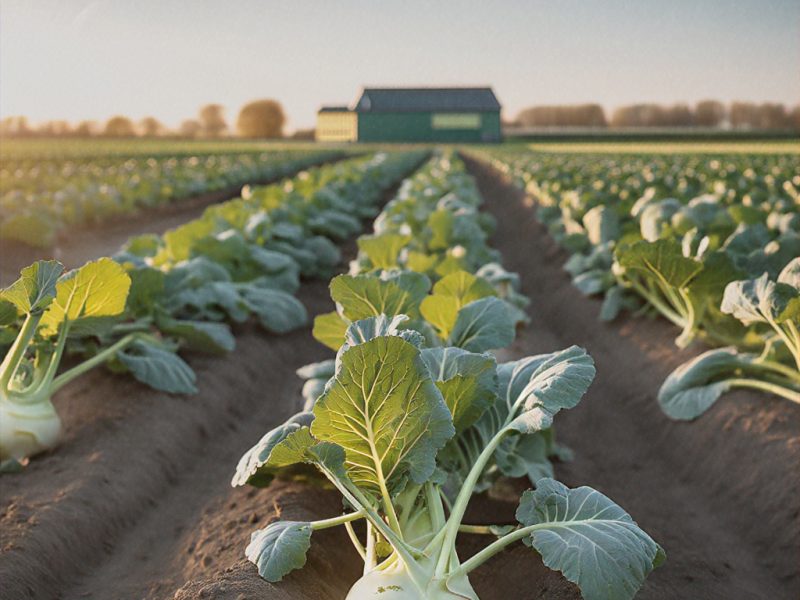
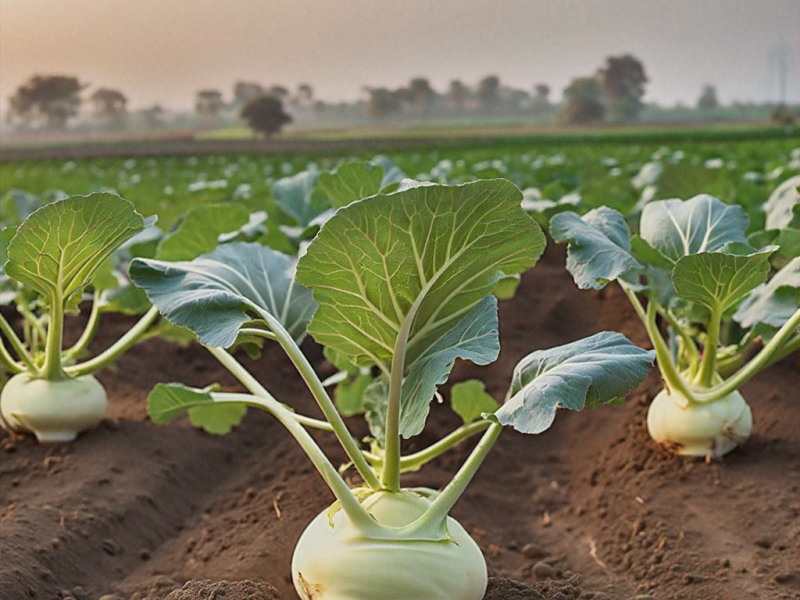
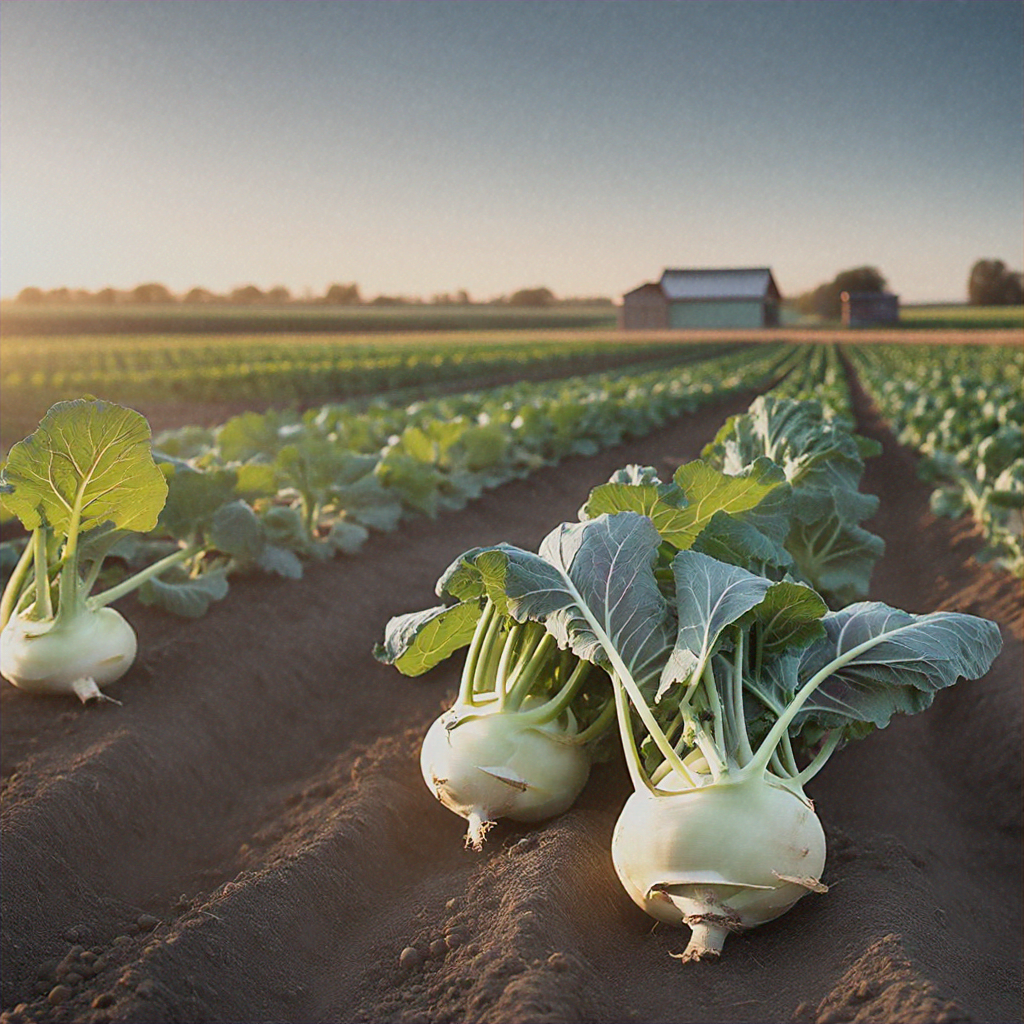
Kohlrabi, with its distinct bulbous shape and mild, sweet flavor, thrives in a wide range of climates, making it a suitable addition to many North American gardens. Whether you’re a seasoned gardener or a newcomer to the world of vegetable cultivation, this step-by-step guide will help you successfully grow and harvest this nutritious crop.
- Soil Preparation: Kohlrabi prefers well-drained, nutrient-rich soil with a pH ranging from 6.0 to 7.5. Incorporate compost or well-rotted manure into the soil before planting to provide the necessary nutrients for optimal growth.
- Planting: Sow kohlrabi seeds directly into the ground, spacing them about 6 to 8 inches apart in rows that are 18 to 24 inches apart. For an early harvest, start seeds indoors and transplant the seedlings after the last frost date in your area.
- Watering and Mulching: Kohlrabi requires consistent moisture, especially during the bulb-forming stage. Water the plants regularly, ensuring the soil stays evenly moist but not waterlogged. Mulch around the plants to help retain moisture and suppress weeds.
- Fertilizing: Feed your kohlrabi plants with a balanced, nitrogen-rich fertilizer every 4 to 6 weeks to support healthy growth and bulb development.
- Harvesting: Kohlrabi is ready for harvest when the bulb reaches 2 to 4 inches in diameter, usually 50 to 60 days after planting. Twist and pull the bulb from the ground, being careful not to damage the leaves or stem.
Culinary Delights: Exploring the Kitchen Versatility of Kohlrabi
Once you’ve successfully grown your own kohlrabi, the real fun begins in the kitchen. This versatile vegetable offers a wealth of culinary possibilities, from raw snacks to cooked dishes, making it a valuable addition to any home cook’s repertoire.
Preparing Kohlrabi
Before diving into the various ways to enjoy kohlrabi, it’s important to understand how to properly prepare this unique vegetable. Here’s a quick guide:
- Peeling: Kohlrabi has a thick, fibrous outer skin that should be peeled away before consumption. Use a sharp knife or vegetable peeler to remove the skin, revealing the crisp, juicy flesh underneath.
- Slicing: Kohlrabi can be sliced, diced, or cut into matchsticks, depending on your desired dish and texture. For a raw, crunchy snack, slice the bulb into thin, even rounds. For cooking, dice or cut the kohlrabi into bite-sized pieces.
- Grating: Grated kohlrabi can be a wonderful addition to salads, slaws, or used as a base for fritters or pancakes.
Culinary Applications
With the preparation basics covered, let’s explore the endless possibilities for incorporating kohlrabi into your meals:
- Raw Snacks: Enjoy kohlrabi slices or sticks as a refreshing, crunchy snack, either on their own or with a creamy dip or hummus.
- Salads and Slaws: Shredded or julienned kohlrabi adds a delightful crunch and subtle sweetness to salads and coleslaws. Try combining it with other crunchy vegetables, fruits, and a tangy vinaigrette.
- Soups and Stews: Diced kohlrabi can be a wonderful addition to hearty soups and stews, contributing both flavor and texture to the dish.
- Roasted and Sautéed: Toss kohlrabi cubes with olive oil, salt, and pepper, and roast them in the oven until tender and caramelized. Alternatively, sauté sliced or diced kohlrabi in a pan with garlic and herbs for a quick and flavorful side dish.
- Fritters and Pancakes: Grated kohlrabi can be mixed with eggs, flour, and seasonings to create crispy, golden-brown fritters or pancakes, perfect for a savory breakfast or light meal.
- Pickled: Sliced kohlrabi makes a wonderful addition to homemade pickles, adding a crunchy texture and subtle sweetness to the brine.
Maximizing Your Kohlrabi Yields: Tips for a Bountiful Harvest
Achieving a successful kohlrabi harvest is not only about the planting and cultivation process but also understanding the factors that can influence your yield. By considering the following tips, you can ensure you get the most out of your kohlrabi crop and enjoy a bountiful harvest season after season.
Cultivar Selection
When it comes to kohlrabi, not all cultivars are created equal. Some varieties are better suited for specific growing conditions or intended uses. Research and select cultivars that are well-adapted to your local climate and that align with your culinary preferences. Popular North American kohlrabi varieties include ‘Early White Vienna,’ ‘Superschmelz,’ and ‘Kolibri.’
Planting Timing and Spacing
Proper timing and spacing of your kohlrabi plantings can have a significant impact on your overall yield. Aim to sow seeds or transplant seedlings at the optimal time for your region, ensuring the plants have enough time to reach maturity before hot summer temperatures or the onset of winter. Additionally, follow the recommended spacing guidelines to allow each plant the necessary room to develop its bulb without competition for resources.
Water and Nutrient Management
Consistent, even moisture is crucial for kohlrabi growth and bulb development. Ensure your plants receive about 1 inch of water per week, either through rainfall or supplemental irrigation. Additionally, provide a balanced, nitrogen-rich fertilizer every 4 to 6 weeks to support healthy foliage and robust bulb formation.
Pest and Disease Management
Kohlrabi, like many Brassica crops, can be susceptible to various pests and diseases. Be vigilant in monitoring your plants and take prompt action to address any issues, such as aphids, cabbage worms, or fungal diseases. Implementing organic pest control methods and practicing good garden hygiene can help minimize the impact of these challenges and protect your kohlrabi yield.
Harvesting and Storage
Timing the harvest correctly is essential for maximizing your kohlrabi yield. Aim to harvest the bulbs when they are 2 to 4 inches in diameter, typically 50 to 60 days after planting. Gently twist and pull the bulbs from the ground, taking care not to damage the leaves or stems. Once harvested, kohlrabi can be stored in the refrigerator for up to 2 weeks, or in a cool, dark, and humid environment for several months.
Embracing the Kohlrabi Revolution: A Nutritious and Versatile Crop for North American Gardens
Kohlrabi, with its unique flavor profile and multifaceted culinary applications, deserves a place in every North American garden and kitchen. By following the step-by-step cultivation guide and incorporating these yield-maximizing tips, you can enjoy a bountiful harvest of this underappreciated vegetable. Embrace the kohlrabi revolution and discover the endless possibilities it has to offer, from raw snacks to cooked delights. With its exceptional nutritional value and adaptability, kohlrabi is poised to become a staple in your sustainable, health-conscious lifestyle.