304086.1. Kohlrabi Kitchen & Harvest in Asia: Expert Guide, Best Practices & Pro Tips
Kohlrabi, a member of the cabbage family, is a versatile and nutritious vegetable that has long been a staple in Asian cuisines. With its unique flavor profile and crunchy texture, kohlrabi has gained popularity worldwide, making it a valuable addition to any kitchen, especially in regions where it thrives. In this comprehensive guide, we’ll delve into the world of kohlrabi cultivation, preparation, and culinary applications, providing expert insights and practical tips to help you make the most of this extraordinary ingredient.
Understanding Kohlrabi: A Versatile Vegetable
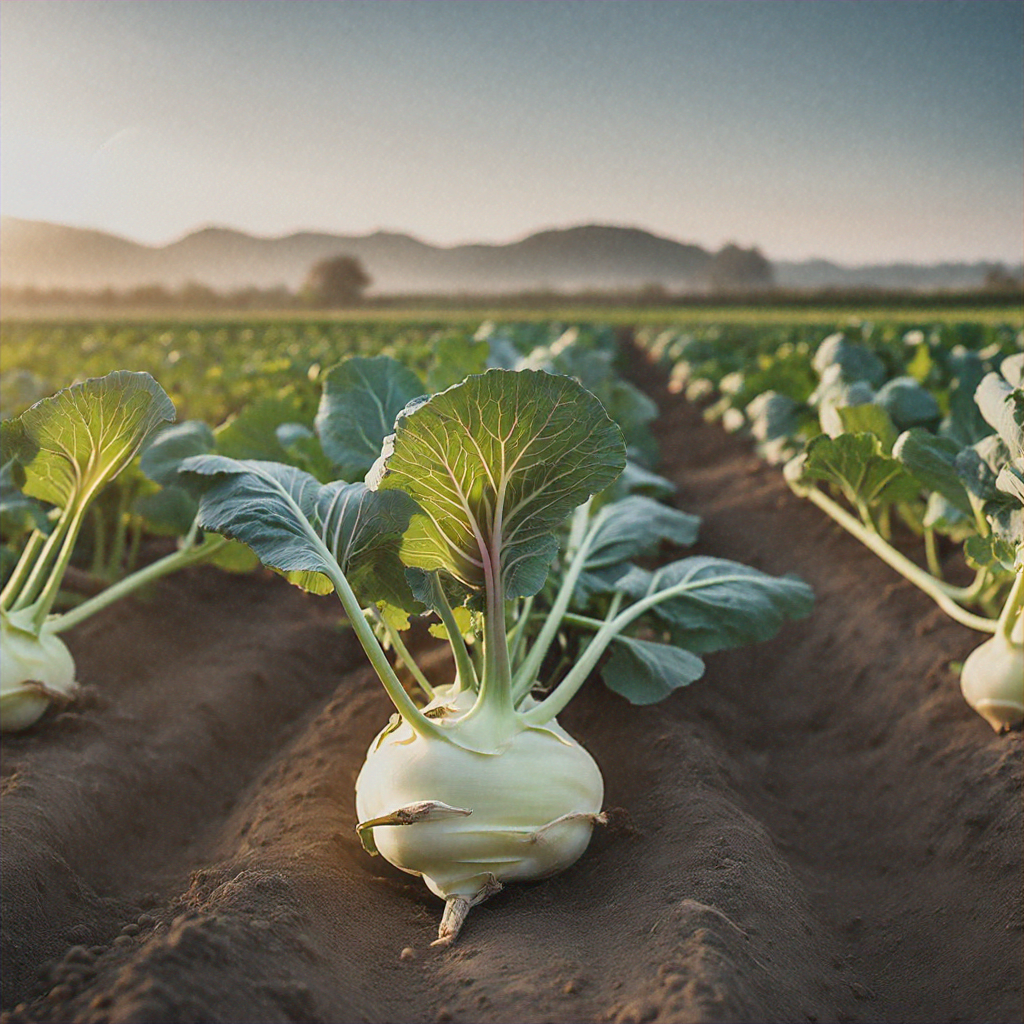
Kohlrabi, scientifically known as Brassica oleracea var. gongylodes, is a biennial plant that is often mistaken for a root vegetable due to its distinctive swollen stem. However, the edible portion of the plant is actually the stem, which can be harvested and enjoyed in a variety of ways. Kohlrabi comes in several varieties, each with its unique characteristics, such as the common green or purple-skinned varieties, as well as the less common golden and white-skinned cultivars.
In Asian cuisine, kohlrabi is highly valued for its versatility and health benefits. Rich in vitamins, minerals, and antioxidants, this vegetable is known to support immune function, aid in digestion, and provide a range of other health benefits. From stir-fries and salads to soups and pickles, kohlrabi can be used in a wide array of dishes, making it a valuable addition to any kitchen.
Cultivating Kohlrabi in Asia: Best Practices
Kohlrabi thrives in temperate and subtropical climates, making it a popular crop in many Asian regions. To ensure a successful kohlrabi harvest, consider the following best practices:
- Climate and Soil Requirements: Kohlrabi prefers well-drained, nutrient-rich soil with a slightly acidic pH (between 6.0 and 7.0). It grows best in cool, moist conditions, with an optimal temperature range of 15-25°C (59-77°F).
- Planting and Spacing: Sow kohlrabi seeds directly in the ground or start them indoors and transplant the seedlings. Space the plants approximately 30-45 cm (12-18 inches) apart, with rows spaced 45-60 cm (18-24 inches) apart.
- Water and Fertilization: Keep the soil consistently moist, but avoid waterlogging. Provide regular, balanced fertilization, particularly with nitrogen-rich fertilizers, to support healthy plant growth and bulb development.
- Pest and Disease Management: Common pests include aphids, cabbage worms, and flea beetles, while diseases such as clubroot and leaf spot can also affect kohlrabi plants. Implement integrated pest management strategies, such as using organic pest repellents and promoting beneficial insect populations.
- Harvesting and Storage: Harvest kohlrabi when the bulbs are 5-10 cm (2-4 inches) in diameter, typically 50-60 days after sowing. Cut the bulb just above the soil line, leaving some of the stem attached. Store harvested kohlrabi in the refrigerator for up to two weeks or freeze for longer-term preservation.
Kohlrabi in the Kitchen: Preparation and Culinary Applications
Kohlrabi’s versatility shines in the kitchen, where it can be used in a wide variety of dishes. Here are some expert tips for preparing and utilizing kohlrabi in Asian cuisine:
Preparation Techniques:
- Peeling: Kohlrabi has a thick, tough outer skin that should be removed before use. Use a sharp knife or peeler to remove the skin, revealing the crisp, juicy flesh underneath.
- Slicing and Cutting: Kohlrabi can be sliced, diced, or julienned, depending on the dish. For a crunchy texture, slice the bulb into thin rounds or matchsticks. For softer preparations, dice the kohlrabi into smaller pieces.
- Cooking Methods: Kohlrabi can be enjoyed raw, steamed, boiled, sautéed, or roasted. Experiment with different cooking techniques to discover your preferred texture and flavor profiles.
Culinary Applications:
- Salads and Slaws: Thinly sliced or julienned kohlrabi makes a refreshing addition to salads and slaws, adding a crunchy texture and a slightly sweet, mild flavor.
- Stir-Fries and Sautés: Diced or sliced kohlrabi pairs well with a variety of Asian vegetables and proteins in stir-fries and sautéed dishes.
- Soups and Stews: Kohlrabi can be added to soups and stews, where it will soften and impart a subtle, earthy flavor to the dish.
- Pickles and Ferments: Kohlrabi’s crunchy texture and mild taste make it an excellent candidate for pickling and fermentation, creating flavorful condiments and side dishes.
- Roasted and Baked Dishes: Tossed with oil and seasonings, kohlrabi can be roasted or baked, resulting in a tender interior and a crispy exterior.
Flavor Pairings and Recipe Ideas
Kohlrabi pairs well with a variety of flavors, making it a versatile ingredient in Asian cuisine. Here are some delicious flavor combinations and recipe ideas to inspire your culinary adventures:
- Aromatic Herbs and Spices: Kohlrabi complements the flavors of garlic, ginger, chili peppers, cilantro, and other aromatic herbs and spices commonly used in Asian cooking.
- Citrus and Acidic Ingredients: The mild sweetness of kohlrabi pairs beautifully with the brightness of lime, lemon, or rice vinegar, creating a balanced and refreshing flavor profile.
- Soy Sauce and Umami Flavors: Kohlrabi absorbs the rich, savory flavors of soy sauce, miso, or oyster sauce, making it an excellent addition to stir-fries, braises, and marinades.
- Coconut Milk and Curries: The creamy, aromatic nature of coconut milk complements the crunch and mild taste of kohlrabi, creating a harmonious blend in curries and other Southeast Asian dishes.
Here are a few recipe ideas to get you started:
- Kohlrabi and Carrot Slaw with Peanut Dressing: Shred kohlrabi and carrots, then toss with a creamy peanut dressing and garnish with chopped peanuts and cilantro.
- Kohlrabi and Chicken Stir-Fry: Sauté diced kohlrabi, chicken, and a medley of Asian vegetables in a wok with a flavorful soy-based sauce.
- Kohlrabi and Potato Curry: Combine cubed kohlrabi, potatoes, and aromatic spices in a creamy coconut milk-based curry.
- Pickled Kohlrabi: Thinly slice kohlrabi and pickle it in a brine of rice vinegar, sugar, and spices for a tangy, crunchy condiment.
Embracing Kohlrabi: Enhancing Culinary Experiences
Kohlrabi’s unique character and nutritional benefits make it a valuable addition to any kitchen, particularly in the diverse culinary landscape of Asia. By understanding its cultivation, preparation, and versatile applications, you can unlock a world of culinary possibilities and elevate your meals with this extraordinary vegetable.
Whether you’re a seasoned home cook or a culinary enthusiast, embracing kohlrabi in your kitchen will not only expand your culinary horizons but also contribute to a healthier, more sustainable food system. So, the next time you encounter this remarkable vegetable, don’t hesitate to explore its versatility and incorporate it into your favorite Asian-inspired dishes. Happy cooking!