Growing Kohlrabi – Kitchen & Harvest for Global: Complete Guide & Best Practices
In the ever-evolving world of agriculture, where the pursuit of sustainability and global food security is paramount, kohlrabi has emerged as a versatile and often overlooked vegetable. This unassuming member of the cabbage family has the potential to contribute significantly to the nourishment of communities worldwide. In this comprehensive guide, we will explore the ins and outs of growing, harvesting, and utilizing kohlrabi, with a focus on best practices that can benefit both the kitchen and the global community.
Understanding Kohlrabi: The Unique Vegetable
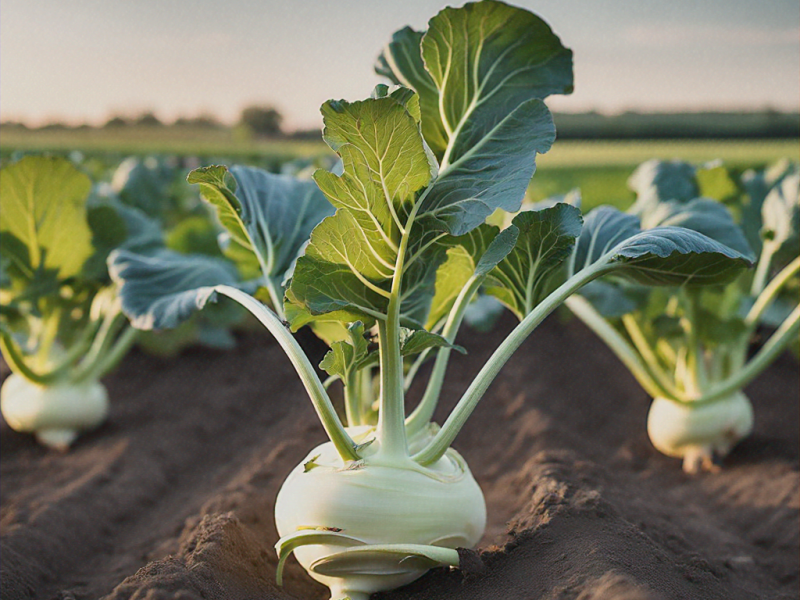
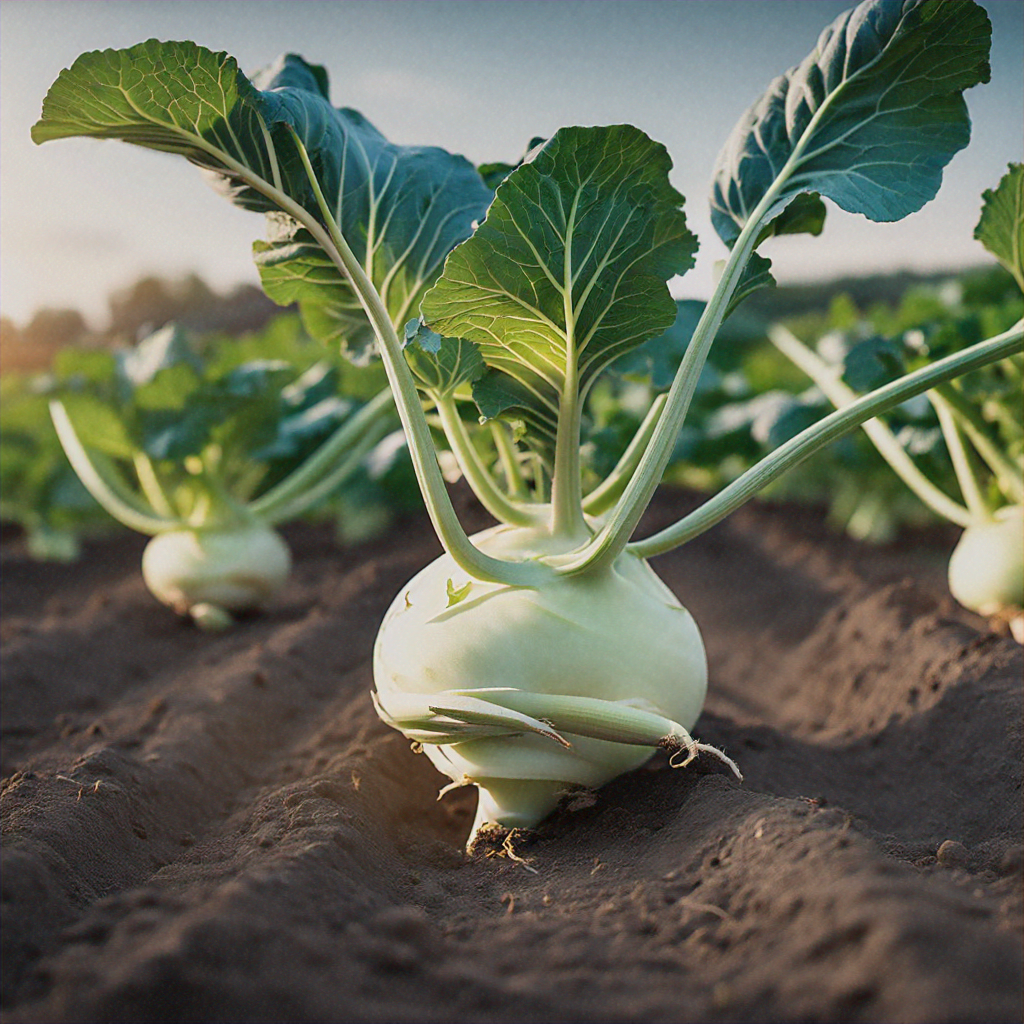
Kohlrabi, scientifically known as Brassica oleracea var. gongylodes, is a peculiar-looking vegetable that resembles a bulb-like stem protruding from the ground. Its name, derived from the German words “kohl” (cabbage) and “rabi” (turnip), aptly describes its hybrid nature, blending the characteristics of both these familiar vegetables.
What sets kohlrabi apart is its adaptability and nutritional profile. Thriving in a wide range of climates, from temperate to subtropical, this vegetable can be grown successfully in many regions of the world. Moreover, its versatility extends beyond the kitchen, as it can be incorporated into various agricultural systems, contributing to the diversification of crop production and the enhancement of food security.
Cultivating Kohlrabi: Optimal Growing Conditions
Achieving a bountiful kohlrabi harvest requires careful attention to the plant’s preferred growing conditions. Here are some best practices to consider:
- Soil Preparation: Kohlrabi thrives in well-drained, nutrient-rich soil with a pH range of 6.0 to 7.5. Incorporating organic matter, such as compost or aged manure, can improve soil structure and fertility, promoting healthy plant growth.
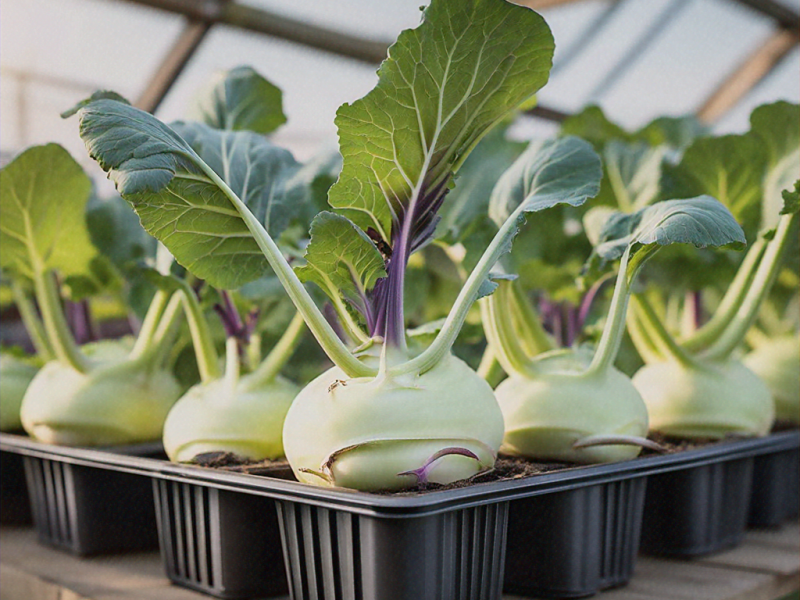
- Sowing and Spacing: Kohlrabi seeds can be sown directly in the ground or started indoors and transplanted. Space plants 6 to 12 inches apart in rows, allowing for adequate room for the bulbs to develop.
- Sunlight and Temperature: Kohlrabi prefers full sun exposure, with at least 6 hours of direct sunlight per day. The optimal temperature range for growth is 60°F to 75°F (15°C to 24°C).
- Irrigation and Moisture: Consistent, moderate watering is crucial for kohlrabi cultivation. Aim to keep the soil consistently moist, but not waterlogged, to prevent issues like cracking or delayed maturation.
- Fertilization: Kohlrabi benefits from regular applications of balanced, nitrogen-rich fertilizers to support healthy foliage and bulb development. Organic options, such as compost or well-rotted manure, can also be incorporated into the soil.
Pest and Disease Management: Protecting the Crop
Kohlrabi, like any crop, can be susceptible to various pests and diseases. Adopting integrated pest management (IPM) strategies can help mitigate these challenges and ensure a healthy, bountiful harvest. Some key considerations include:
- Aphids: These small, sap-sucking insects can cause distorted growth and weaken plants. Encourage the presence of beneficial predators, such as ladybugs, and use organic insecticidal soaps or neem oil as needed.
- Cabbage Worms: The larvae of various moth species can feed on kohlrabi leaves and bulbs. Use row covers, hand-pick affected areas, or consider applying Bacillus thuringiensis (Bt), a natural, microbial-based insecticide.
- Clubroot: This soil-borne fungal disease can cause distorted, stunted growth and even plant death. Improve soil drainage, practice crop rotation, and consider using resistant cultivars or soil amendments to suppress the pathogen.
- Downy Mildew: This fungal disease thrives in cool, humid conditions and can lead to yellowing, wilting, and premature leaf drop. Maintain good air circulation, avoid overhead watering, and use resistant varieties or fungicides as a last resort.
Harvesting and Storing Kohlrabi: Maximizing the Bounty
Proper harvesting and storage techniques are crucial for ensuring the longevity and quality of your kohlrabi crop. Here are some best practices to consider:
- Timing the Harvest: Kohlrabi is typically ready for harvest when the bulb reaches 2 to 4 inches in diameter, usually 50 to 70 days after sowing. Avoid letting the bulbs become too large, as they can become woody and lose their tender, sweet flavor.
- Harvesting Techniques: Gently loosen the soil around the base of the plant and carefully pull the kohlrabi bulb from the ground. Avoid damaging the leaves, as they can be used for additional culinary purposes.
- Leaf Utilization: The leaves of kohlrabi are edible and can be used in a variety of dishes, from salads to sautés. Trim the leaves, leaving a few inches of stem attached, and store them separately from the bulbs.
- Post-Harvest Storage: Kohlrabi bulbs can be stored in the refrigerator for up to 2 weeks, ensuring they remain crisp and flavorful. Wrap the bulbs in a damp paper towel or place them in a perforated plastic bag to maintain optimal moisture levels.
- Long-Term Preservation: For extended storage, kohlrabi can be frozen, pickled, or fermented, allowing you to enjoy its unique taste and nutritional benefits throughout the year.
Culinary Versatility: Unlocking Kohlrabi’s Potential
Kohlrabi’s versatility extends beyond the garden, as it offers a wide range of culinary applications that can benefit both individual households and global communities. Here are some ways to incorporate kohlrabi into your culinary repertoire:
- Raw Preparation: Kohlrabi can be enjoyed raw, shredded, or thinly sliced, adding a refreshing crunch to salads, slaws, and vegetable platters.
- Cooking Methods: Kohlrabi can be roasted, sautéed, steamed, or even added to soups and stews, showcasing its adaptability in the kitchen.
- Flavor Pairings: Kohlrabi pairs well with a variety of herbs, spices, and other vegetables, such as garlic, ginger, carrots, and potatoes, making it a versatile ingredient in diverse cuisines.
- Nutritional Benefits: Kohlrabi is a nutrient-dense vegetable, rich in vitamins C and K, as well as fiber, potassium, and folate. Incorporating kohlrabi into diets can contribute to improved overall health and well-being.
- Global Culinary Traditions: Kohlrabi is enjoyed in various culinary traditions around the world, from Indian curries to Eastern European soups, showcasing its potential to bridge diverse culinary preferences and promote cross-cultural exchange.
Conclusion: Embracing Kohlrabi for a Sustainable Future
As we navigate the challenges of global food security and environmental sustainability, the humble yet remarkable kohlrabi stands as a testament to the power of agricultural innovation and diversification. By embracing the cultivation, harvesting, and culinary integration of this versatile vegetable, we can not only nourish our own communities but also contribute to the broader goal of creating a more resilient and equitable global food system.
Through the adoption of best practices and a deeper understanding of kohlrabi’s potential, we can unlock a world of possibilities – from enhancing household nutrition to fostering cross-cultural exchange and supporting sustainable agricultural practices. By growing, harvesting, and cooking with kohlrabi, we can play a meaningful role in shaping a future where food security, environmental stewardship, and global well-being are seamlessly interwoven.