Growing Kohlrabi – Kitchen & Harvest for Global: Complete Guide & Best Practices
In the realm of agriculture and human welfare, one vegetable often overlooked yet immensely valuable is the humble kohlrabi. This unique member of the Brassica family, with its distinctive bulbous stem and delicate flavor, holds the potential to contribute significantly to global food security and nutritional well-being. In this comprehensive guide, we delve into the art and science of growing kohlrabi, exploring its culinary versatility and best practices for a bountiful harvest.
Understanding Kohlrabi
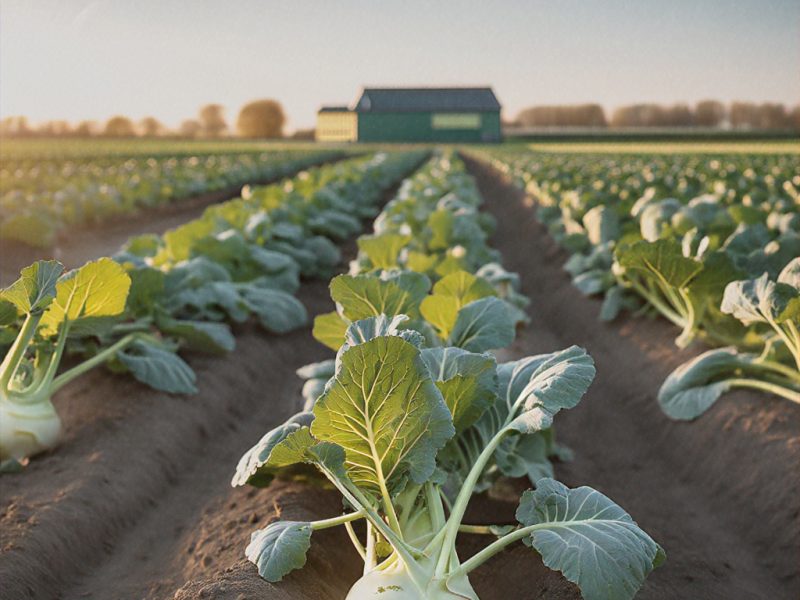
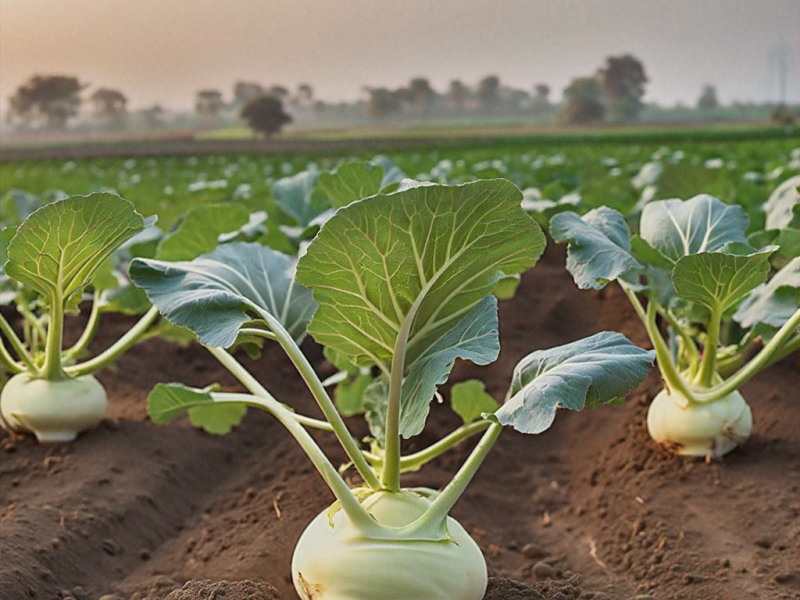
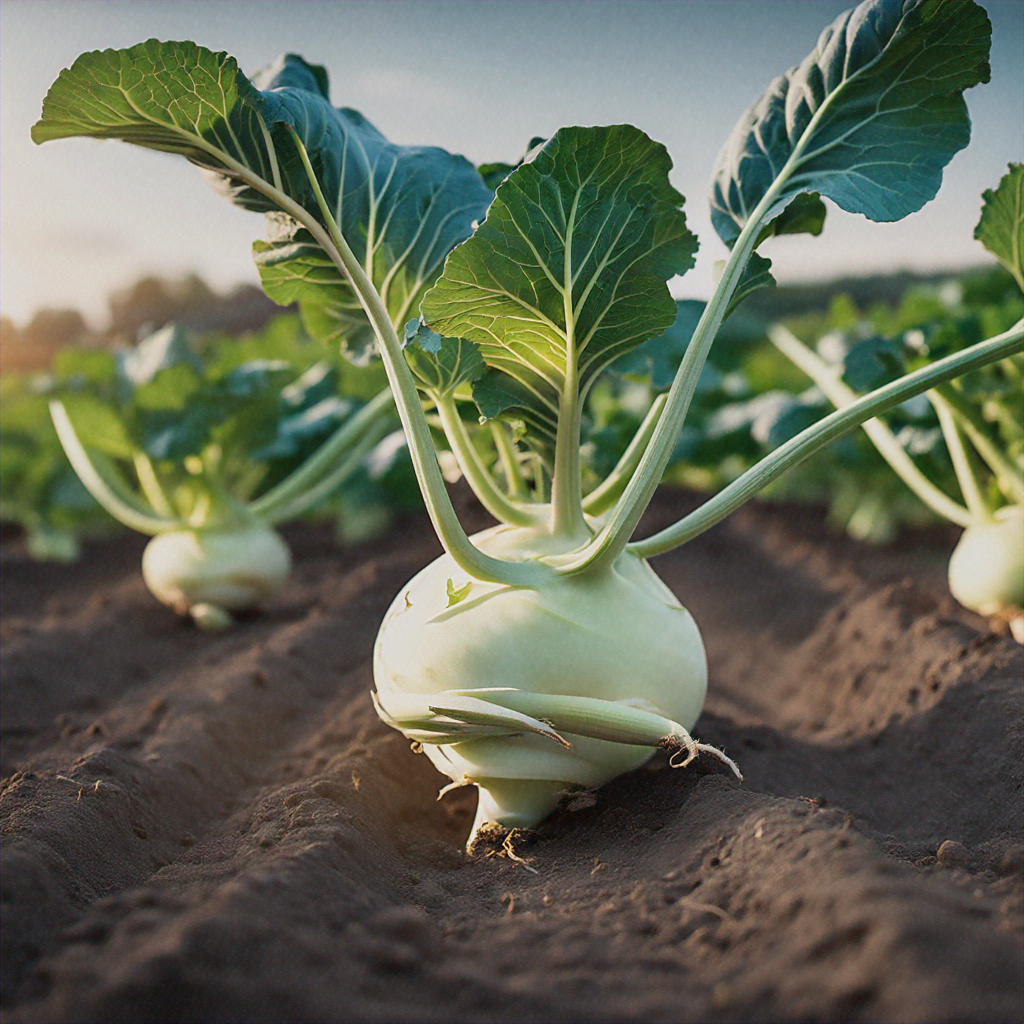
Kohlrabi, scientifically known as Brassica oleracea var. gongylodes, is a cool-weather crop that thrives in temperate climates. It is closely related to cabbage, broccoli, and cauliflower, but its unique growth pattern sets it apart. The edible portion of the plant is the swollen stem that emerges from the soil, which can be harvested and enjoyed raw or cooked. Kohlrabi comes in a variety of colors, including white, purple, and green, each offering a slightly different flavor profile.
Nutritionally, kohlrabi is a powerhouse. It is rich in vitamins C and K, as well as minerals like potassium and calcium. Additionally, it contains a significant amount of dietary fiber, making it a valuable addition to a balanced diet. Its versatility in the kitchen further enhances its appeal, as it can be used in a wide range of dishes, from salads and slaws to soups and roasted preparations.
Preparing the Soil and Planting
Kohlrabi thrives in well-drained, nutrient-rich soil with a slightly acidic pH of 6.0 to 7.0. Before planting, amend the soil with compost or well-rotted manure to improve its texture and fertility. Kohlrabi prefers full sun exposure, so choose a location that receives at least six hours of direct sunlight per day.
Sow the seeds directly into the ground, spacing them about 12 to 18 inches apart in rows that are 24 to 36 inches apart. For an earlier harvest, start the seeds indoors and transplant the seedlings into the garden when they are 4 to 6 inches tall. This can help get a head start on the growing season and extend the harvest period.
Caring for Kohlrabi
Consistent moisture is crucial for kohlrabi’s growth and development. Water the plants regularly, ensuring the soil stays consistently moist but not waterlogged. Mulching around the plants can help retain soil moisture and suppress weed growth.
Kohlrabi also benefits from regular fertilization. Apply a balanced, slow-release fertilizer or compost tea at the time of planting, and again midway through the growing season. This will ensure the plants have access to the necessary nutrients for optimal growth and production.
To prevent bolting (premature flowering), which can cause the kohlrabi to become tough and bitter, pay attention to the plant’s maturity and harvest the bulbs when they are 2 to 4 inches in diameter, typically 50 to 70 days after sowing.
Pest and Disease Management
Kohlrabi is relatively hardy, but it can be susceptible to a few common pests and diseases. Keep an eye out for the following:
- Aphids: These small, sap-sucking insects can infest the leaves and stems, causing stunted growth and distorted foliage. Encourage natural predators like ladybugs and lacewings to help control aphid populations.
- Cabbage worms: The larvae of various moth species, such as the cabbage white butterfly, can chew holes in the leaves and bore into the kohlrabi bulbs. Use row covers or hand-pick the worms to prevent damage.
- Clubroot: This soil-borne fungal disease can cause the roots to become swollen and distorted, leading to stunted growth and eventual plant death. Maintain proper soil pH and avoid planting kohlrabi in areas with a history of clubroot.
- Powdery mildew: This fungal disease can appear as a white, powdery growth on the leaves, reducing the plant’s overall vigor. Ensure adequate air circulation and apply a fungicide if necessary.
By staying vigilant and implementing organic pest management strategies, you can effectively protect your kohlrabi crop and enjoy a bountiful harvest.
Harvesting and Storing Kohlrabi
Kohlrabi is ready for harvest when the bulbs have reached 2 to 4 inches in diameter, typically 50 to 70 days after sowing. Gently pull or dig around the base of the plant to remove the bulb, ensuring you don’t damage the leaves or stem.
Once harvested, the kohlrabi can be enjoyed raw, sliced, or shredded into salads and slaws. It can also be cooked in a variety of ways, such as roasting, sautéing, or incorporating into soups and stews. The leaves are also edible and can be used like any other leafy green.
To store kohlrabi, remove the leaves, leaving about an inch of the stem attached. Place the bulbs in a plastic bag or airtight container and refrigerate for up to two weeks. For longer-term storage, kohlrabi can also be frozen by blanching the bulbs and then storing them in the freezer for several months.
Culinary Versatility and Nutrition
Kohlrabi’s unique flavor profile, which has been described as a cross between cabbage and broccoli, lends itself well to a wide range of culinary applications. The crunchy, juicy texture of the bulb makes it an excellent addition to salads, slaws, and even raw vegetable platters. Its mild taste also allows it to be easily incorporated into soups, stews, and roasted vegetable dishes.
Nutritionally, kohlrabi is a powerhouse. It is an excellent source of vitamins C and K, as well as a good source of fiber, potassium, and folate. The presence of these essential nutrients makes kohlrabi a valuable addition to a balanced and healthy diet. Additionally, the vegetable’s low-calorie content and high water content make it a great option for those looking to manage their weight or incorporate more nutrient-dense foods into their meals.
Conclusion: The Future of Kohlrabi in Global Agriculture
As the world grapples with the challenges of food security and nutritional deficiencies, the humble kohlrabi holds immense potential to contribute to the global agricultural landscape. Its adaptability to a wide range of climates, coupled with its impressive nutritional profile and culinary versatility, make it a valuable crop for both small-scale and large-scale farming operations.
By embracing the cultivation of kohlrabi and incorporating it into diverse agricultural systems, we can not only enhance food security but also promote sustainable and resilient food production. Through educational initiatives, community outreach, and policy support, the widespread adoption of kohlrabi cultivation can empower communities worldwide to enjoy the benefits of this remarkable vegetable and contribute to the overall well-being of humanity.