Kohlrabi Cultivation in Illinois: Plant Doctor & Care – Varieties, Soil & Harvest
In the heart of the Midwest, Illinois has long been recognized as a powerhouse in agricultural production, with its rich soil and temperate climate providing the perfect conditions for a wide range of crops. Among these, the often-overlooked kohlrabi has been gaining popularity in recent years, offering a unique and nutritious addition to the state’s diverse culinary landscape. As a plant doctor, I’m excited to share my expertise on the cultivation and care of this versatile vegetable, highlighting the best varieties, optimal soil conditions, and strategies for a bountiful harvest in the Prairie State.
Introducing Kohlrabi: A Unique Brassica
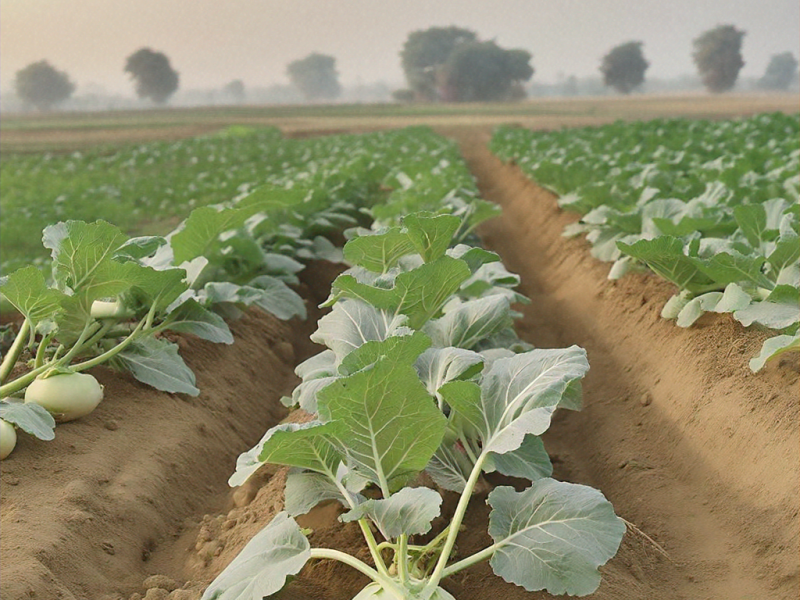
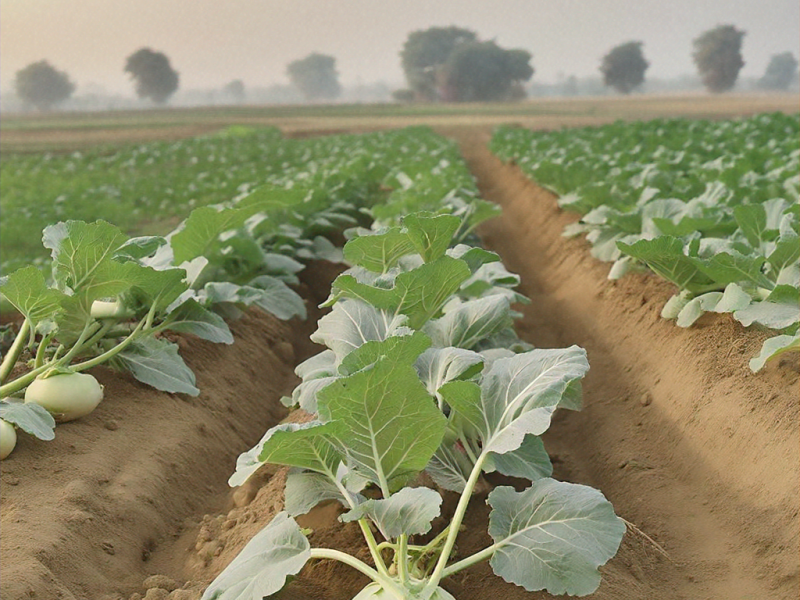
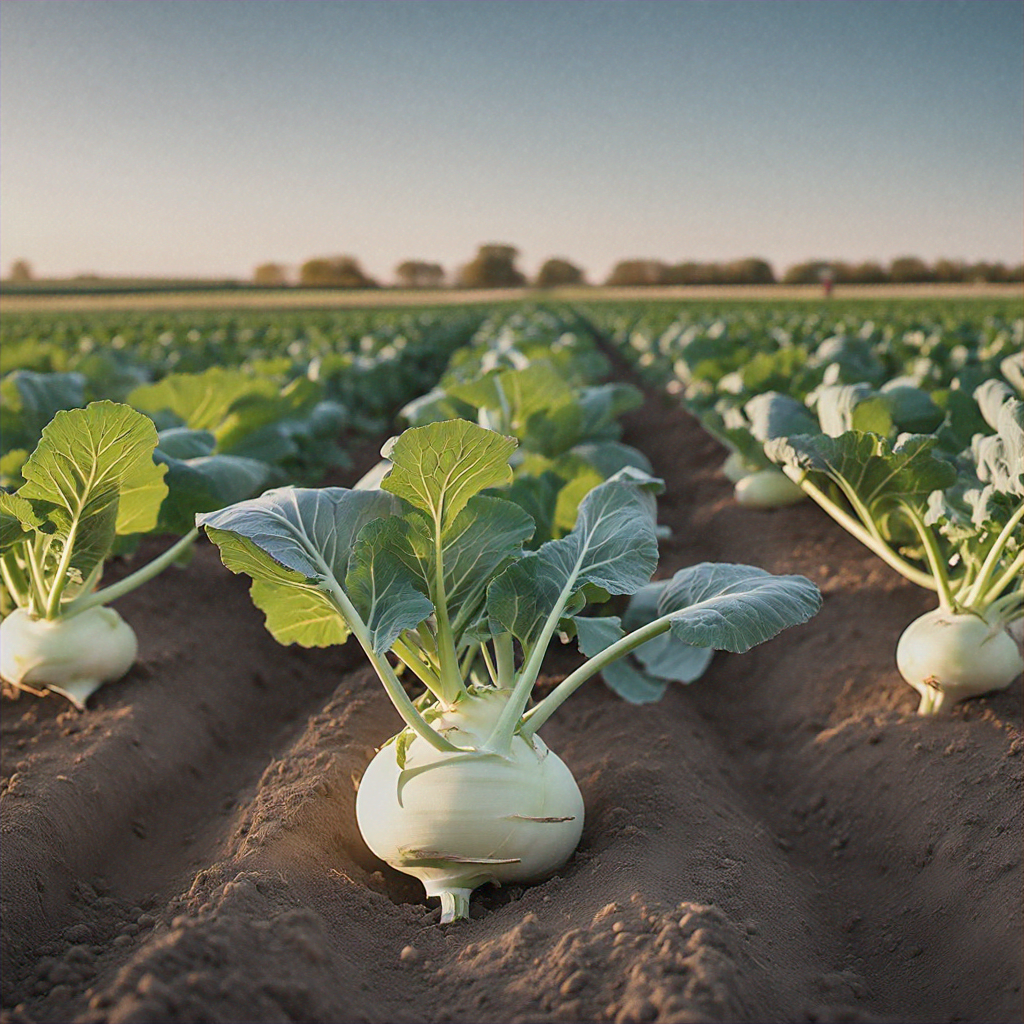
Kohlrabi, scientifically known as Brassica oleracea var. gongylodes, is a member of the cruciferous vegetable family, closely related to cabbage, broccoli, and cauliflower. What sets kohlrabi apart is its distinctive swollen stem, which grows above the ground and can be enjoyed both raw and cooked. This unusual appearance, coupled with its slightly sweet and crunchy texture, has earned kohlrabi a devoted following among health-conscious consumers and culinary enthusiasts alike.
Beyond its unique characteristics, kohlrabi is an excellent source of essential vitamins and minerals, including vitamins C, K, and B6, as well as potassium, fiber, and various antioxidants. Its versatility in the kitchen, from salads and slaws to roasted side dishes and even kohlrabi “fries,” has made it a popular choice for health-conscious home cooks and chefs across Illinois.
Choosing the Right Kohlrabi Varieties for Illinois
When it comes to cultivating kohlrabi in Illinois, selecting the right varieties is crucial for success. The state’s diverse climate, with hot, humid summers and cold, snowy winters, presents unique challenges for vegetable growers. However, with the right choices, you can enjoy a bountiful kohlrabi harvest throughout the growing season.
- Early-Maturing Varieties: For gardeners and farmers looking to get a head start on the season, early-maturing kohlrabi varieties like ‘Early White Vienna’ and ‘Early Purple Vienna’ are excellent choices. These varieties can be sown in the spring and harvested in as little as 45-60 days, making them ideal for short growing seasons or succession planting.
- Summer-Friendly Varieties: As the summer heat takes hold, kohlrabi varieties that thrive in warmer conditions become essential. ‘Superschmelz’ and ‘Azur Star’ are two popular summer-friendly options, known for their heat tolerance and ability to maintain their tenderness and flavor even in the height of the season.
- Cold-Hardy Varieties: For those looking to extend the kohlrabi season into the cooler months, cultivars like ‘Kossak’ and ‘Winner’ are well-suited to Illinois’ chilly autumn and winter climates. These varieties can withstand frost and even light freezes, allowing for a longer harvest window.
By carefully selecting a mix of early, summer, and cold-hardy kohlrabi varieties, Illinois growers can ensure a continuous supply of this nutritious and versatile vegetable throughout the year.
Preparing the Soil for Kohlrabi Success
Kohlrabi thrives in well-drained, nutrient-rich soil, and Illinois’ diverse landscape offers a range of options for successful cultivation. Whether you’re growing in a backyard garden or on a larger commercial farm, paying close attention to soil preparation is key to achieving optimal results.
The ideal soil for kohlrabi should have a pH range between 6.0 and 7.5, with a slightly acidic to neutral balance. Illinois’ naturally fertile prairie soils often provide an excellent foundation, but additional amendments may be necessary to ensure proper drainage and nutrient content.
Before planting, incorporate generous amounts of compost or well-rotted manure into the soil, as kohlrabi is a heavy feeder that requires ample organic matter to thrive. Additionally, consider adding a balanced, slow-release fertilizer to provide a steady supply of essential nutrients throughout the growing season.
Proper site selection is also crucial for kohlrabi cultivation in Illinois. Choose a location that receives full sun exposure, as kohlrabi requires at least six hours of direct sunlight per day to achieve optimal growth and flavor development. Avoid planting in areas with heavy clay soils or poor drainage, as these conditions can lead to root rot and other detrimental issues.
Planting and Caring for Kohlrabi in Illinois
Once you’ve prepared the perfect growing environment, it’s time to embark on the planting and care of your kohlrabi crop. In Illinois, the optimal planting times vary depending on the specific variety, but general guidelines can help ensure a successful harvest.
For early-season varieties, sow seeds directly in the ground as soon as the soil can be worked in the spring, typically around mid-April to early May. Succession planting every 2-3 weeks can extend the harvest window. For summer and fall crops, plant in late spring or early summer, taking care to provide adequate water and shade during the hottest months.
When it comes to spacing, kohlrabi plants should be spaced 8-12 inches apart, with rows spaced 18-24 inches apart. This allows for proper air circulation and root development, while minimizing competition for nutrients and water.
Consistent watering is essential for kohlrabi, as the plants require a steady supply of moisture to produce tender, flavorful bulbs. Aim to provide 1-2 inches of water per week, either through natural rainfall or targeted irrigation. Be mindful of potential drought conditions, particularly during the summer months, and adjust your watering schedule accordingly.
Regular weeding and mulching can also help maintain a healthy kohlrabi crop, as the plants do not compete well with aggressive weeds. Apply a 2-3 inch layer of organic mulch, such as wood chips or straw, to help retain soil moisture and suppress weed growth.
Finally, be on the lookout for potential pests and diseases that may affect your kohlrabi plants. Common issues in Illinois include aphids, cabbage worms, and clubroot disease. Proactive monitoring and the use of organic or integrated pest management (IPM) strategies can help mitigate these challenges and ensure a bountiful harvest.
Harvesting and Enjoying Homegrown Kohlrabi
The moment of truth arrives when it’s time to harvest your homegrown kohlrabi. In Illinois, the optimal harvest time typically occurs when the bulbs have reached 2-4 inches in diameter, typically 50-70 days after planting, depending on the variety.
To harvest, simply grasp the bulb at the base of the stem and gently pull it from the ground. Avoid waiting too long, as kohlrabi can become woody and fibrous if left in the soil for too long. Once harvested, the leaves can be trimmed, leaving 1-2 inches of stem attached to the bulb.
Kohlrabi can be enjoyed in a variety of ways, both raw and cooked. Try slicing the bulbs into matchsticks or thin discs for a refreshing and crunchy addition to salads and slaws. Roast or sauté the bulbs with a bit of olive oil, garlic, and your favorite seasonings for a delicious side dish. Kohlrabi also makes an excellent addition to soups, stews, and even mashed potato dishes, offering a unique flavor profile and a satisfying texture.
For long-term storage, kohlrabi can be refrigerated for up to two weeks or frozen for several months. Simply peel, slice, and blanch the bulbs before freezing for a tasty and nutritious vegetable that can be enjoyed year-round.
As you embark on your kohlrabi cultivation journey in Illinois, remember to embrace the unique challenges and opportunities that the state’s climate and soil conditions present. With the right varieties, proper soil preparation, and attentive care, you can enjoy a bountiful harvest of this versatile and nutritious vegetable, contributing to the rich agricultural legacy of the Prairie State.