Unlocking the Secret to Cultivating Kohlrabi in Texas: A Plant Doctor’s Guide
In the heart of the Lone Star State, where the sun blazes and the soil promises bountiful harvests, growing kohlrabi can be a delightful challenge for the discerning gardener. As a plant doctor, I’ve had the privilege of guiding many Texas growers through the ins and outs of this unique and versatile vegetable. In this comprehensive guide, we’ll explore the steps to successfully cultivate kohlrabi in the Texas climate, ensuring a thriving and bountiful crop that will delight both your taste buds and your gardening aspirations.
Understanding Kohlrabi: The Vegetable with a Twist
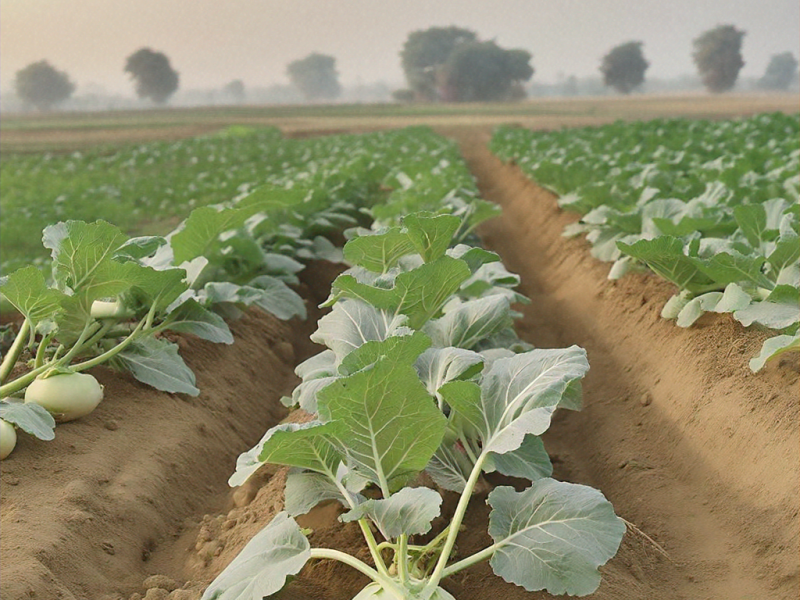
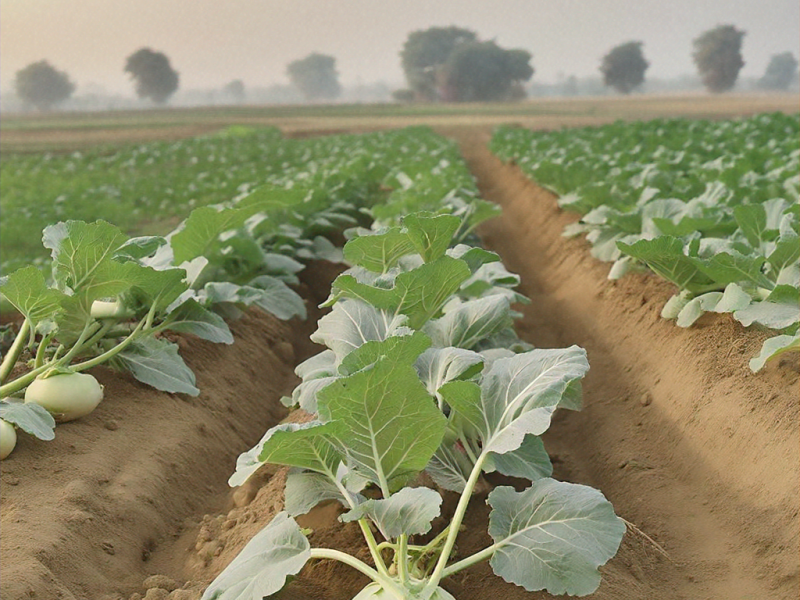
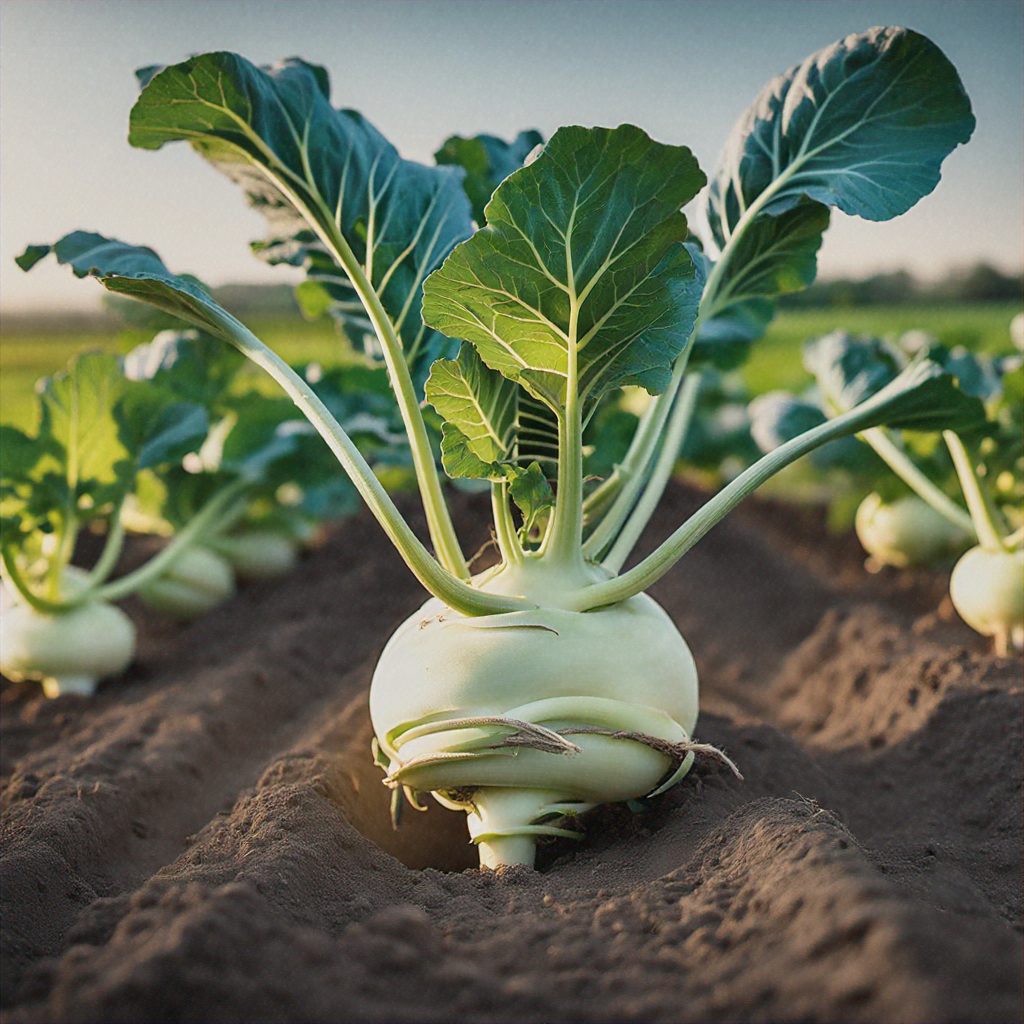
Kohlrabi, often referred to as the “German turnip,” is a member of the Brassica family, which includes cabbage, broccoli, and cauliflower. Its distinctive feature is the swollen stem that develops above the ground, giving it a unique and intriguing appearance. Kohlrabi is not only visually striking, but it also boasts a delightful flavor that can be best described as a blend of cabbage and broccoli, with a crisp, crunchy texture that makes it a versatile ingredient in the kitchen.
Preparing Your Texas Garden for Kohlrabi
Successful kohlrabi cultivation in Texas begins with understanding the specific requirements of this vegetable. Here’s what you need to know:
- Soil Conditions: Kohlrabi thrives in well-drained, nutrient-rich soil with a slightly acidic pH, typically between 6.0 and 7.0. Amend your soil with compost or well-rotted manure to improve drainage and fertility.
- Sunlight Needs: Kohlrabi requires full sun exposure, meaning it needs at least 6 hours of direct sunlight per day. Choose a location in your garden that receives ample sunshine throughout the day.
- Planting Seasons: In Texas, kohlrabi can be grown as both a spring and fall crop. For spring plantings, sow seeds or transplant seedlings in the ground as soon as the soil can be worked, typically in late February or early March. For fall crops, plant in late summer or early fall, around August or September.
- Spacing and Depth: Space kohlrabi plants 8-12 inches apart in rows that are 2-3 feet apart. Plant the seeds or seedlings about 1/2 inch deep in the soil.
Caring for Your Kohlrabi Crop
Once your kohlrabi plants are established, it’s time to focus on their ongoing care. Here are the key steps to ensure a healthy and abundant harvest:
- Watering: Kohlrabi requires consistent moisture, especially during the critical growing stages. Water the plants deeply, about 1-2 inches per week, and adjust as needed during periods of drought or excessive heat.
- Mulching: Apply a 2-3 inch layer of organic mulch, such as straw or shredded leaves, around the base of the plants. This helps retain soil moisture, suppress weeds, and regulate soil temperature.
- Fertilizing: Kohlrabi benefits from regular fertilization. Use a balanced, slow-release fertilizer or a side-dressing of well-rotted compost or manure every 4-6 weeks during the growing season.
- Pest and Disease Management: Keep an eye out for common pests like aphids, cabbage worms, and flea beetles. Organic pest control methods, such as hand-picking pests or using insecticidal soap, can be effective. Monitor for diseases like clubroot and black rot, and take preventive measures like crop rotation and proper drainage.
- Harvesting: Kohlrabi is ready to harvest when the stem below the leaves is 2-4 inches in diameter, typically 50-70 days after planting. Gently pull or cut the plant from the ground, leaving a few leaves attached.
Maximizing Your Kohlrabi Harvest
To ensure a bountiful and consistent kohlrabi harvest, consider the following tips:
- Succession Planting: Sow seeds or transplant seedlings every 2-3 weeks throughout the growing season to extend your harvest period and enjoy a continuous supply of fresh kohlrabi.
- Shade Protection: During the hottest periods of the Texas summer, consider providing partial shade to your kohlrabi plants to prevent premature bolting and maintain their tender, flavorful texture.
- Protecting from Pests: Use row covers or floating row covers to create a physical barrier against common pests like cabbage worms and flea beetles, keeping your kohlrabi crop safe and healthy.
- Proper Storage: Once harvested, store kohlrabi in the refrigerator, where it can remain fresh for up to 2 weeks. Alternatively, you can freeze kohlrabi for longer-term storage and enjoy its crisp, flavorful goodness throughout the year.
Culinary Delights with Kohlrabi
Beyond the satisfaction of growing your own kohlrabi, the true joy lies in the culinary possibilities this versatile vegetable offers. Kohlrabi can be enjoyed in a variety of ways, from raw to cooked, and it pairs beautifully with a wide range of flavors. Here are some delicious ideas to elevate your kohlrabi dishes:
- Raw Kohlrabi Salads: Slice or julienne kohlrabi and toss it with a tangy vinaigrette, fresh herbs, and crunchy vegetables for a refreshing and nutritious salad.
- Roasted Kohlrabi: Toss cubed kohlrabi with olive oil, salt, and your favorite seasonings, then roast it in the oven until tender and caramelized.
- Kohlrabi Slaw: Grate or shred kohlrabi and mix it with shredded cabbage, carrots, and a creamy or tangy dressing for a delightful slaw.
- Kohlrabi Fritters: Grate kohlrabi, mix it with eggs, flour, and spices, then pan-fry the mixture into crispy, golden-brown fritters.
- Kohlrabi Purée: Boil or steam kohlrabi until tender, then blend it into a smooth, creamy purée that can be used as a side dish or a versatile base for other recipes.
Embracing the Kohlrabi Challenge in Texas
Cultivating kohlrabi in the Texas climate may seem like a unique challenge, but with the right knowledge and a bit of dedicated care, you can unlock a world of culinary delights and gardening satisfaction. By following the guidance outlined in this comprehensive guide, you’ll be well on your way to growing a thriving kohlrabi crop that will not only nourish your body but also delight your taste buds. Embrace the adventure, celebrate the harvest, and savor the rewards of your homegrown kohlrabi – a true testament to the joys of gardening in the Lone Star State.