How to Grow Kohlrabi in Texas: Plant Doctor & Care – Complete How-To
Kohlrabi, a member of the Brassica family, is a fascinating and versatile vegetable that can thrive in the diverse climate of Texas. Whether you’re a seasoned gardener or a newcomer to the world of home-grown produce, learning how to cultivate this unique crop can be a rewarding and delicious experience. In this comprehensive guide, we’ll dive into the world of kohlrabi and explore the essential steps to grow it successfully in the Lone Star State.
Understanding Kohlrabi
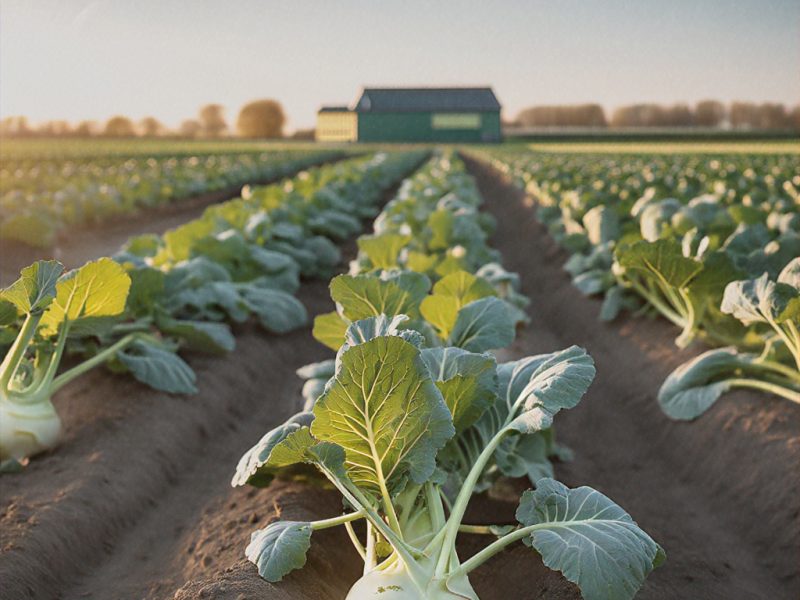
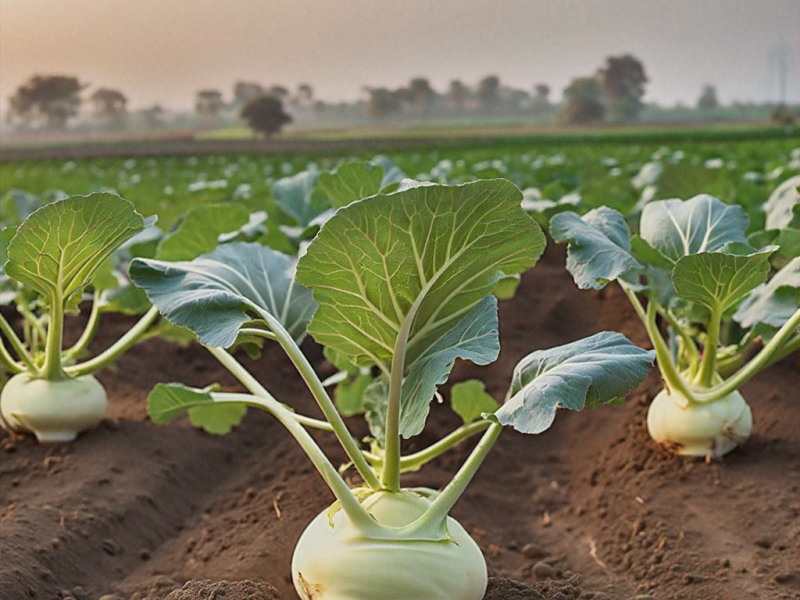
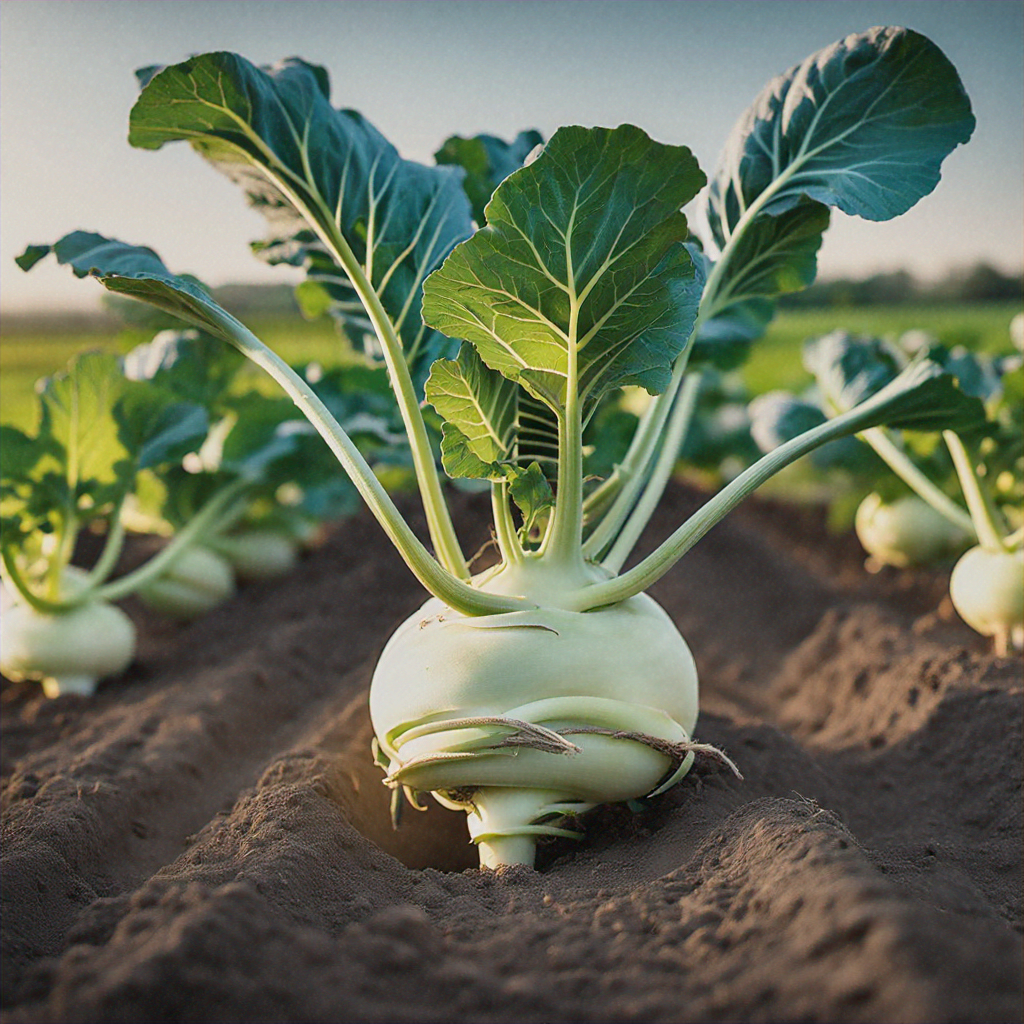
Kohlrabi, also known as the “German turnip,” is a cool-weather crop that produces a bulb-like structure above the ground. This unusual vegetable is prized for its crunchy texture and mild, sweet flavor, which can be reminiscent of a cross between a cabbage and a broccoli stem. Kohlrabi comes in a variety of colors, including purple, green, and white, and can be enjoyed raw, cooked, or even pickled.
In Texas, kohlrabi thrives best during the spring and fall seasons, as it prefers cooler temperatures and moderate rainfall. By understanding the specific growing requirements and care needs of this unique crop, gardeners in the Lone Star State can cultivate a bountiful harvest of this nutritious and versatile vegetable.
Planting Kohlrabi in Texas
Successful kohlrabi cultivation in Texas begins with selecting the right planting time and location. Here’s a step-by-step guide to getting your kohlrabi off to a great start:
Timing
- Spring Planting: Sow seeds or transplant seedlings in the ground 4-6 weeks before the last expected frost date in your area, typically between late February and early April.
- Fall Planting: For a second crop, plant kohlrabi 4-6 weeks before the first expected frost date, usually between late August and mid-October.
Soil Preparation
- Choose a well-draining, nutrient-rich soil with a pH between 6.0 and 7.5. Amend the soil with compost or well-rotted manure to improve fertility and drainage.
- Ensure the planting area receives full sun, as kohlrabi thrives in a sunny location.
Planting
- Sow seeds 1/4 to 1/2 inch deep and 1 to 2 inches apart in rows, with 12 to 18 inches between rows.
- If using transplants, plant them at the same depth as they were growing in the container, spacing them 12 to 18 inches apart in rows.
- Water the soil thoroughly after planting to help the seeds or seedlings establish.
Caring for Kohlrabi
Proper care and maintenance are crucial for the healthy growth and development of your kohlrabi plants. Here are the essential steps to ensure a bountiful harvest:
Watering
- Kohlrabi requires consistent moisture, especially during the bulb formation stage. Water the plants deeply, approximately 1 to 2 inches per week, adjusting as needed based on weather conditions.
- Avoid letting the soil dry out completely, as this can cause the bulbs to become tough and fibrous.
Fertilizing
- Provide your kohlrabi plants with a balanced, slow-release fertilizer or compost at the time of planting to ensure optimal nutrient availability.
- About 4-6 weeks after the initial planting, apply a side-dressing of a nitrogen-rich fertilizer to promote continued growth and bulb development.
Weeding and Mulching
- Regularly remove any weeds that may compete with your kohlrabi plants for water and nutrients.
- Apply a 2-3 inch layer of organic mulch, such as straw, shredded leaves, or bark, around the base of the plants to help retain soil moisture and suppress weed growth.
Pest and Disease Management
- Keep an eye out for common pests like aphids, cabbage worms, and flea beetles, and address them promptly with organic or natural pest control methods.
- Monitor for signs of diseases like clubroot, black rot, or bacterial soft rot, and take appropriate action to prevent the spread of any issues.
Harvesting
- Kohlrabi is ready to harvest when the bulb reaches 2-4 inches in diameter, typically 50-60 days after planting.
- Gently pull or cut the plant at the base, leaving a small portion of the stem attached to the bulb.
- Enjoy your kohlrabi raw, cooked, or preserved for later use. The leaves can also be harvested and used like any other leafy green.
Maximizing Kohlrabi Yield in Texas
To ensure a bountiful kohlrabi harvest in Texas, consider the following tips and techniques:
Succession Planting
- For a continuous supply of fresh kohlrabi throughout the season, try succession planting by sowing seeds or transplanting seedlings every 2-3 weeks during the appropriate planting windows.
Microclimate Management
- Utilize row covers or cloches to create a favorable microclimate around your kohlrabi plants, protecting them from temperature extremes and pests.
- Consider planting in a partially shaded area during the hottest summer months to help prevent the bulbs from becoming tough and bitter.
Cultivar Selection
- Choose kohlrabi cultivars that are specifically bred for Texas’s climate, such as ‘Early White Vienna’ or ‘Kossak,’ which can better withstand the region’s warm temperatures and humidity.
Season Extension
- Extend your kohlrabi growing season by starting seeds indoors and transplanting seedlings earlier in the spring, or by using cold frames or mini-greenhouses to protect plants during the winter months.
Culinary Delights with Kohlrabi
Kohlrabi is a versatile vegetable that can be enjoyed in a variety of culinary applications. Here are a few ideas to inspire your kohlrabi-based creations:
- Raw: Slice or julienne kohlrabi and enjoy it as a crunchy snack, tossed in salads, or dipped in hummus or ranch dressing.
- Roasted: Toss cubed kohlrabi with olive oil, salt, and pepper, and roast at 400°F (200°C) until tender and caramelized.
- Sautéed: Sauté sliced or diced kohlrabi in butter or olive oil, seasoning with garlic, herbs, and a splash of lemon juice.
- Pureed: Boil or steam kohlrabi, then blend it into a smooth puree, perfect for soups, mashed potatoes, or as a dip.
- Pickled: Thinly slice kohlrabi and pickle it in a vinegar-based brine for a tangy, crunchy condiment.
Kohlrabi is also a versatile ingredient that can be incorporated into a wide range of dishes, from stir-fries and curries to slaws and gratins. Experiment with different flavors and cooking methods to discover your favorite ways to enjoy this unique and nutritious vegetable.
Growing Kohlrabi in Texas: A Rewarding Endeavor
Cultivating kohlrabi in Texas can be a rewarding and delicious endeavor for gardeners of all skill levels. By understanding the specific growing requirements, implementing effective care practices, and exploring the culinary potential of this unique vegetable, you can enjoy a bountiful harvest and expand your culinary horizons. With a little effort and attention, you’ll be well on your way to growing a thriving kohlrabi crop in the Lone Star State.