Kohlrabi Plant Doctor & Care in California (USA): Expert Guide, Best Practices & Pro Tips
Gardening enthusiasts and farmers in California (USA) have long been familiar with the unique and versatile kohlrabi plant. This member of the Brassica family, closely related to cabbage and broccoli, is not only a delicious and nutritious addition to any meal but also requires careful attention to ensure optimal growth and health. In this comprehensive guide, we’ll delve into the expert-approved practices and pro tips for successful kohlrabi cultivation in the Golden State.
Understanding Kohlrabi: A Unique Brassica
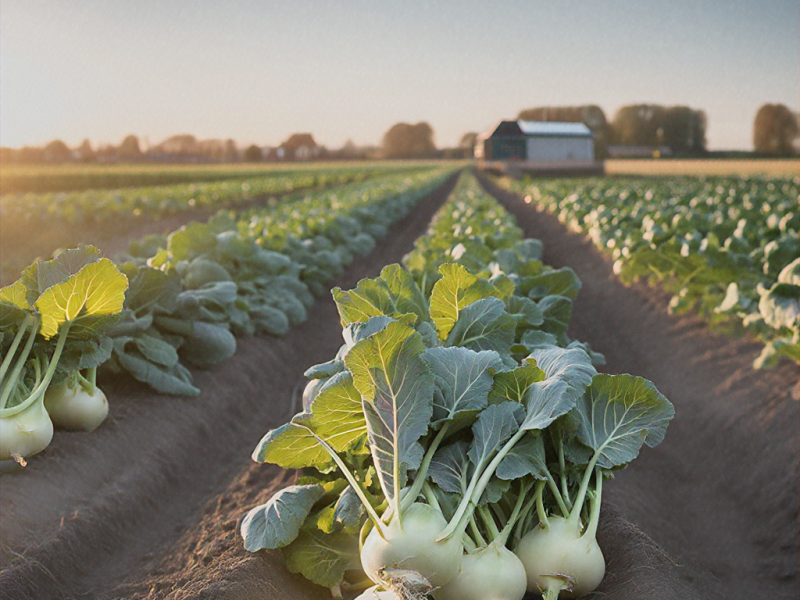
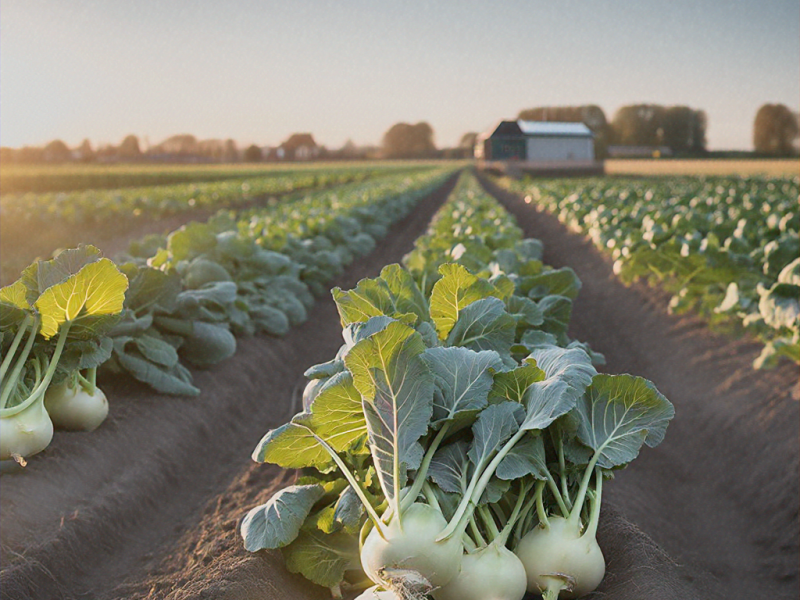
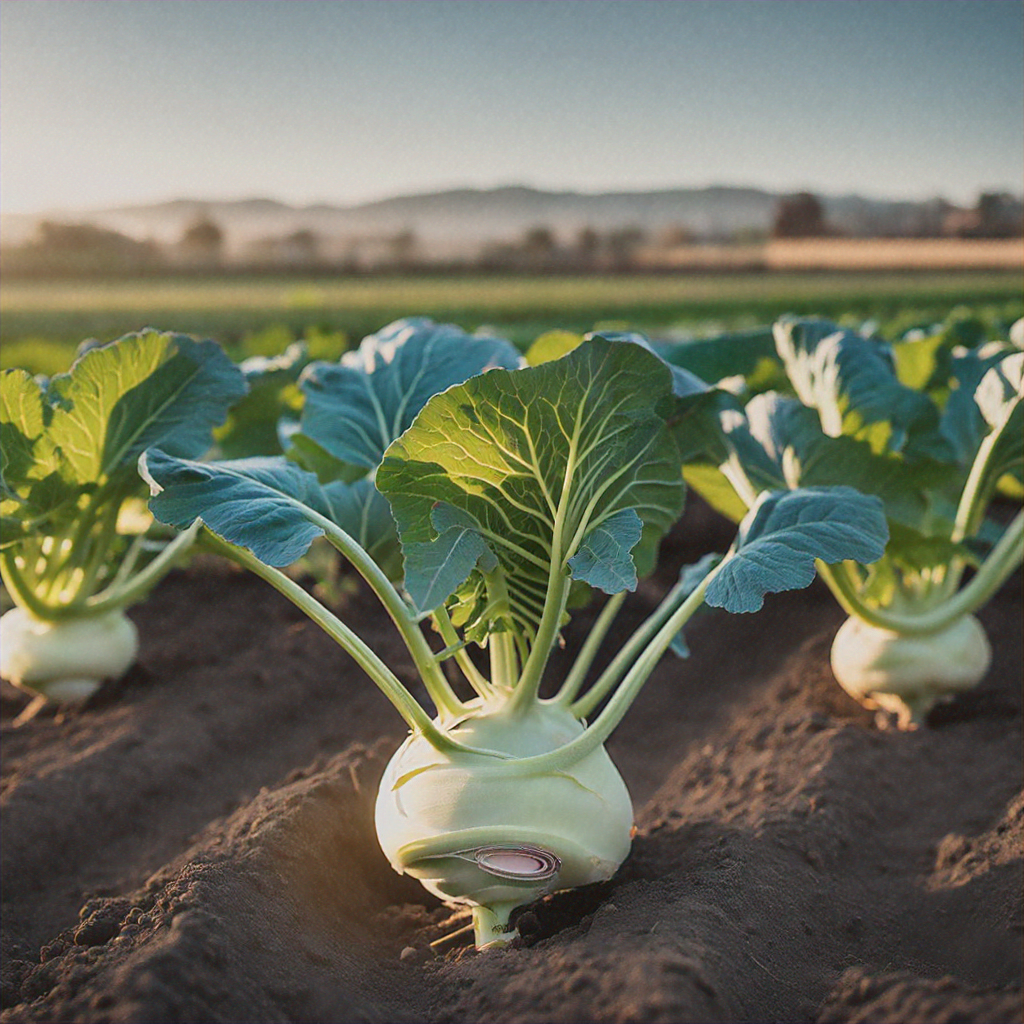
Kohlrabi, scientifically known as Brassica oleracea var. gongylodes, is a cool-weather crop that thrives in the temperate climate of California. Unlike its leafy cousins, kohlrabi is prized for its enlarged, bulbous stem, which can be harvested and consumed in a variety of ways. The edible parts of the plant include the stem and the leaves, both of which offer distinct culinary and nutritional benefits.
Kohlrabi is renowned for its crisp texture and mild, sweet flavor, which can be enjoyed raw, roasted, or incorporated into a wide range of dishes. It is a valuable source of essential vitamins, minerals, and dietary fiber, making it a nutritious addition to any diet.
Optimal Growing Conditions for Kohlrabi in California
To ensure the successful cultivation of kohlrabi in California, it’s essential to understand the plant’s preferred growing conditions:
- Climate: Kohlrabi thrives in cool, temperate climates, making California’s coastal regions and inland valleys ideal for its cultivation. The plant can tolerate some heat, but prolonged exposure to high temperatures may cause it to bolt (flower prematurely) and become woody.
- Soil: Kohlrabi prefers well-drained, nutrient-rich soil with a neutral to slightly acidic pH (between 6.0 and 7.5). Amending the soil with compost or well-rotted manure can help improve drainage and fertility.
- Sunlight: Kohlrabi requires full sun exposure, with at least 6 hours of direct sunlight per day. Partial shade can be tolerated, but it may result in slower growth and reduced bulb size.
- Spacing: When planting kohlrabi, allow for adequate spacing between plants, typically 12-18 inches apart in rows spaced 18-24 inches apart. This ensures optimal air circulation and reduces the risk of disease.
Planting and Cultivation Strategies
Successful kohlrabi cultivation in California involves a carefully planned planting and cultivation strategy:
- Timing: In California, kohlrabi can be grown as both a spring and fall crop. For spring planting, sow seeds or transplant seedlings in late winter or early spring, ensuring they have enough time to mature before the heat of summer. For fall crops, plant in midsummer to early fall, allowing the plants to mature before the first frost.
- Seed Starting and Transplanting: Kohlrabi can be started indoors from seed and then transplanted into the garden, or sown directly into the soil. When transplanting, be sure to harden off the seedlings by gradually exposing them to outdoor conditions before planting them in the ground.
- Watering: Kohlrabi requires consistent moisture, especially during the critical growth stages. Aim to keep the soil evenly moist, but avoid waterlogging the plants, as this can lead to root rot and other issues.
- Fertilization: Kohlrabi is a heavy feeder, so it’s important to provide it with a balanced, nutrient-rich fertilizer throughout the growing season. Incorporate organic matter, such as compost or well-rotted manure, into the soil before planting, and supplement with a balanced, water-soluble fertilizer every few weeks.
- Harvesting: Kohlrabi is typically ready for harvest when the bulbs are 2-4 inches in diameter, which usually occurs 50-70 days after planting. Cut the bulbs at the soil line, leaving 1-2 inches of stem attached. The leaves can also be harvested and used as a nutritious greens.
Common Pests and Diseases Affecting Kohlrabi in California
As with any crop, kohlrabi is susceptible to a variety of pests and diseases that can impact its growth and productivity. Understanding these common issues and implementing preventive measures is crucial for successful kohlrabi cultivation in California:
- Aphids: These small, sap-sucking insects can quickly infest kohlrabi plants, causing stunted growth and distorted leaves. Encourage natural predators, such as ladybugs and lacewings, and use insecticidal soaps or neem oil to manage aphid infestations.
- Cabbage Worms: The larvae of the cabbage white butterfly can devour kohlrabi leaves and bore into the bulbs, leading to unsightly damage. Inspect plants regularly and handpick or use Bacillus thuringiensis (Bt) to control the worms.
- Clubroot: This soil-borne fungal disease can cause the roots of kohlrabi to become swollen and deformed, leading to stunted growth and wilting. Improve soil drainage, practice crop rotation, and consider using resistant cultivars to mitigate the risk of clubroot.
- Powdery Mildew: This fungal disease manifests as a white, powdery coating on the leaves and can severely impact the plant’s photosynthetic ability. Ensure good air circulation, water the plants at the base, and use fungicides as a last resort.
- Bolting: Kohlrabi can occasionally bolt, or prematurely flower, in response to stress, such as extreme temperatures or drought. To prevent bolting, ensure the plants receive consistent moisture and avoid exposing them to sudden temperature changes.
Integrated Pest Management (IPM) for Kohlrabi in California
To effectively manage pests and diseases affecting kohlrabi in California, an Integrated Pest Management (IPM) approach is recommended. IPM combines various cultural, biological, and, if necessary, chemical control methods to create a comprehensive and sustainable management plan:
- Cultural Controls: Maintain good garden hygiene by regularly removing weeds, crop debris, and infected plant material. Rotate crops to disrupt pest and disease cycles, and use disease-resistant cultivars when available.
- Biological Controls: Encourage the presence of beneficial insects, such as ladybugs, lacewings, and parasitic wasps, which can help control aphids and other pests. Consider introducing biocontrol agents, such as Bacillus thuringiensis (Bt) for caterpillar management.
- Mechanical Controls: Physically remove pests, such as cabbage worms, by hand-picking them from the plants. Use row covers or netting to prevent pest access to the crop.
- Chemical Controls: As a last resort, use targeted, eco-friendly pesticides or fungicides, following all label instructions and local regulations. Rotate the use of different active ingredients to prevent the development of resistance.
Harvesting and Post-Harvest Handling
Proper harvesting and post-harvest handling techniques are crucial for ensuring the quality and longevity of your kohlrabi crop:
- Harvesting: Kohlrabi is typically ready for harvest when the bulbs are 2-4 inches in diameter, usually 50-70 days after planting. Cut the bulbs at the soil line, leaving 1-2 inches of stem attached.
- Cleaning and Storage: Gently brush off any soil or debris from the harvested kohlrabi, taking care not to damage the skin. Store the bulbs in a cool, dry place, such as the refrigerator, where they can last for up to 2-3 weeks.
- Culinary Preparation: Kohlrabi can be enjoyed raw, roasted, or incorporated into a variety of dishes. Peel the bulbs, slice or cube them, and use them in salads, stir-fries, or as a side dish.
By following these expert-approved practices and pro tips, California gardeners and farmers can enjoy bountiful and healthy kohlrabi harvests. Whether you’re a seasoned grower or new to the world of kohlrabi cultivation, this comprehensive guide will empower you to cultivate this versatile and nutritious Brassica with confidence.