Kohlrabi Cultivation in Punjab (India): Plant Doctor & Care – Varieties, Soil & Harvest
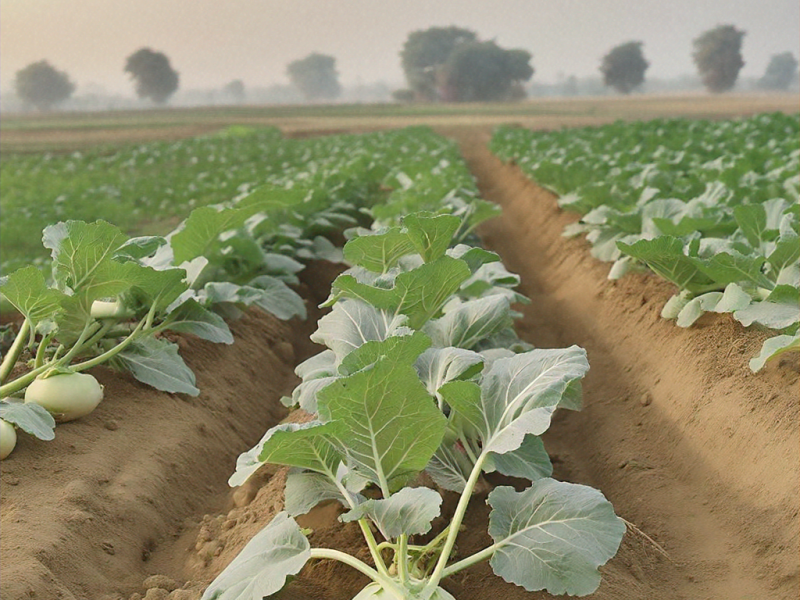
In the vast and diverse agricultural landscape of India, the northern state of Punjab has long been known for its thriving cultivation of a unique and versatile vegetable – the kohlrabi. This unassuming member of the Brassica family, with its distinctive swollen stem, has become an integral part of the region’s culinary and agricultural heritage. In this comprehensive blog post, we will delve into the intricacies of kohlrabi cultivation in Punjab, exploring the plant’s varieties, soil requirements, and the essential care it needs to thrive.
Varieties of Kohlrabi in Punjab
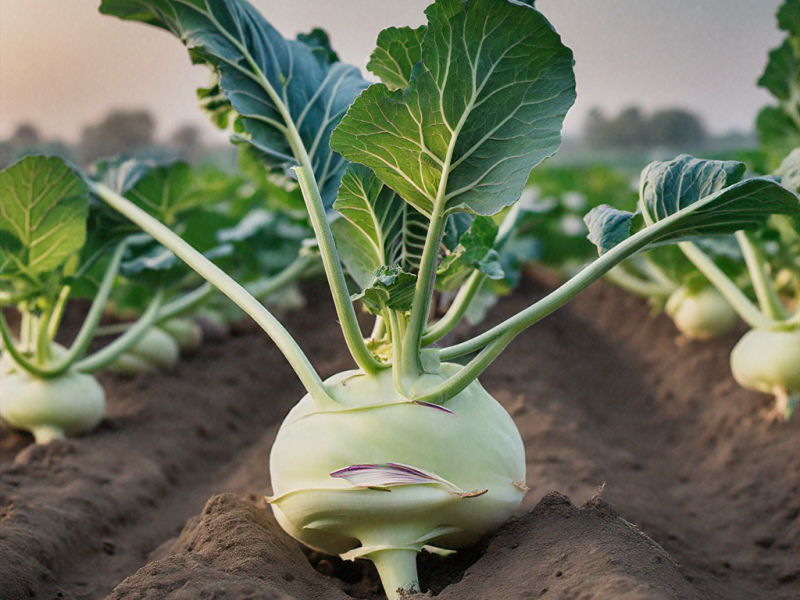
Kohlrabi, also known as the “cabbage turnip,” is a hardy and adaptable crop that has found its niche in the Punjab region. The state is home to several distinct varieties of kohlrabi, each with its own unique characteristics and culinary applications:
- Early Purple Vienna: This variety is characterized by its deep purple-tinged skin and crisp, white flesh. It is known for its rapid growth and is often the earliest kohlrabi variety to mature in Punjab’s climate.
- Early White Vienna: As the name suggests, this variety features a pale, ivory-colored exterior and tender, mild-flavored flesh. It is a popular choice for culinary applications that require a delicate texture and flavor.
- Superschmelz: This variety is prized for its large, globe-shaped bulbs and exceptional storage qualities. Superschmelz kohlrabi can withstand the rigors of Punjab’s winter months, making it a reliable choice for long-term storage and year-round availability.
- Azur Star: Azur Star kohlrabi boasts a striking blue-green hue, adding a unique visual appeal to dishes. This variety is known for its crunchy texture and slightly sweet, nutty flavor profile.
The diversity of kohlrabi varieties cultivated in Punjab allows farmers and consumers to choose the most suitable options for their specific needs, whether it’s for early-season harvests, long-term storage, or unique culinary presentations.
Soil Requirements for Kohlrabi Cultivation
Kohlrabi is a versatile crop that can thrive in a wide range of soil conditions, but the farmers of Punjab have identified the optimal soil requirements for achieving bountiful harvests. Here’s what you need to know:
- Soil Type: Kohlrabi prefers well-drained, fertile soil with a slightly acidic to neutral pH range (6.0 to 7.0). The soils of Punjab, characterized by their alluvial composition and high organic matter content, are particularly well-suited for kohlrabi cultivation.
- Soil Preparation: Before planting, the soil should be thoroughly tilled and amended with organic matter, such as compost or well-rotted manure. This helps to improve soil structure, nutrient content, and water-holding capacity, creating an ideal environment for the kohlrabi plants to thrive.
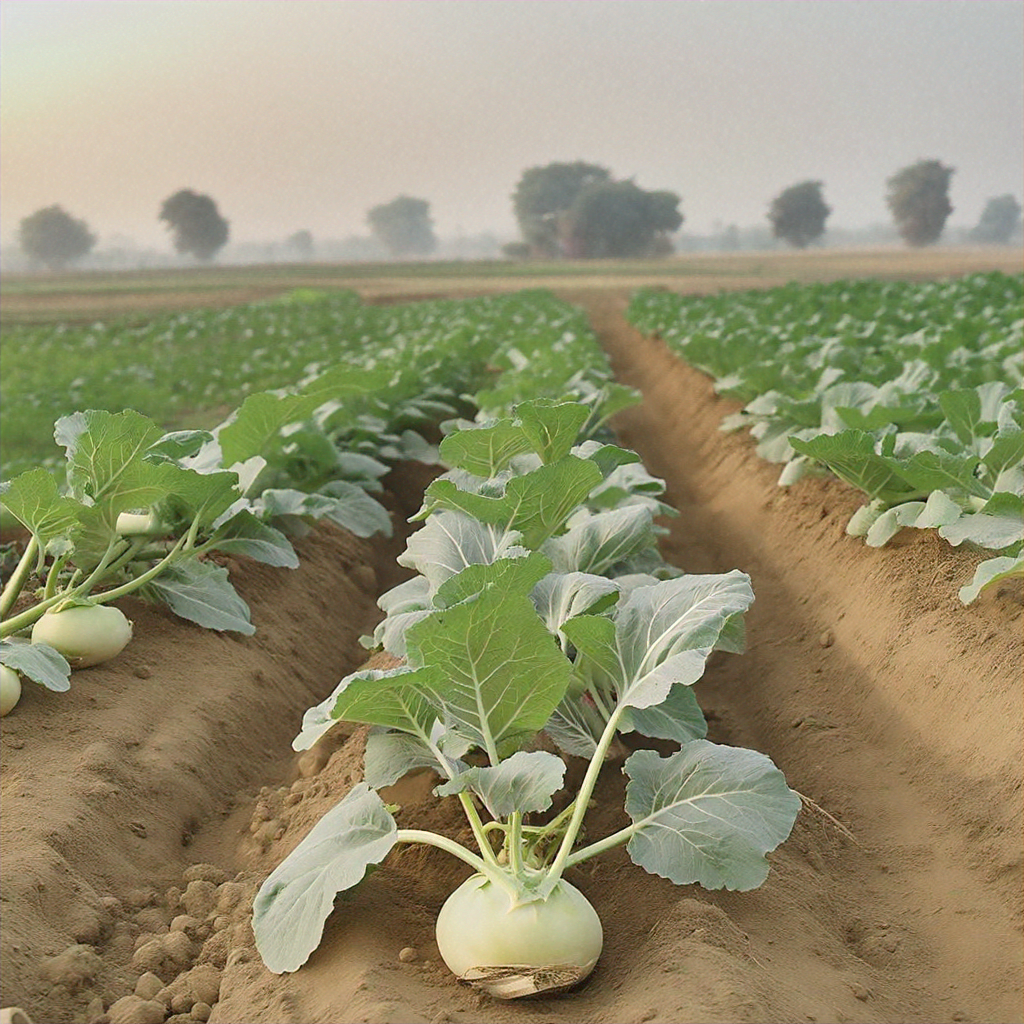
- Drainage: Kohlrabi plants are sensitive to waterlogging and cannot tolerate excessive moisture in the soil. Proper drainage is crucial, and raised beds or raised planting rows can help mitigate issues with standing water.
- Nutrient Requirements: Kohlrabi is a heavy feeder, requiring a balanced supply of nutrients throughout the growing season. Farmers in Punjab often incorporate a combination of organic and inorganic fertilizers, including nitrogen, phosphorus, and potassium, to ensure optimal plant growth and bulb development.
By adhering to these soil requirements, the farmers of Punjab are able to cultivate kohlrabi with exceptional quality and yields, meeting the demands of both local and regional markets.
Kohlrabi Cultivation and Care in Punjab
Successful kohlrabi cultivation in Punjab requires a thorough understanding of the plant’s growing requirements and a dedicated approach to its care. Let’s explore the key aspects of kohlrabi cultivation in the region:
Planting and Spacing
Kohlrabi can be grown from seeds or transplanted seedlings. In Punjab, farmers often start the seeds indoors and then transplant the seedlings into the prepared fields. The optimal planting time varies, with early-season varieties sown in the cool months of autumn and later-maturing varieties planted in the winter months.
The spacing between plants is crucial for ensuring proper growth and development. Typically, kohlrabi is planted in rows with a spacing of 30-45 cm between plants and 45-60 cm between rows. This spacing allows for adequate air circulation, sunlight penetration, and root growth.
Watering and Irrigation
Kohlrabi plants require a consistent and moderate water supply throughout their growing season. In Punjab, farmers often rely on a combination of rainfall and supplemental irrigation to meet the crop’s moisture needs. Drip irrigation or sprinkler systems are commonly used to provide the plants with the right amount of water, avoiding both waterlogging and drought stress.
Pest and Disease Management
Kohlrabi, like most brassica crops, is susceptible to a range of pests and diseases. In Punjab, farmers work closely with local agricultural extension services and plant doctors to identify and manage these challenges effectively. Common pests include aphids, cabbage worms, and flea beetles, while diseases such as black rot, clubroot, and downy mildew can also affect the crop.
Integrated pest management (IPM) strategies are employed, which combine the use of resistant cultivars, crop rotation, manual removal of pests, and the judicious application of organic or chemical pesticides when necessary. This holistic approach helps to maintain the health and vigor of the kohlrabi plants while minimizing the impact on the environment.
Harvesting and Post-Harvest Handling
The timing of the kohlrabi harvest is critical, as the plants should be harvested when the bulbs are tender and flavorful. In Punjab, the harvest window typically occurs 45-60 days after transplanting, depending on the specific variety and growing conditions.
Farmers carefully monitor the size and firmness of the bulbs, ensuring that they are harvested at the optimal stage of maturity. The kohlrabi bulbs are then carefully removed from the soil, leaving a portion of the stem attached to the bulb. After harvesting, the leaves and any damaged or discolored portions are trimmed, and the bulbs are thoroughly cleaned to prepare them for storage or market.
Proper post-harvest handling is essential to maintain the quality and extend the shelf life of the kohlrabi. Farmers in Punjab often store the harvested bulbs in a cool, well-ventilated environment, such as a refrigerated storage facility or a cool, dry room. This helps to preserve the crispness, flavor, and nutritional value of the kohlrabi until it reaches the hands of consumers.
Kohlrabi in Punjab’s Agricultural Landscape
Kohlrabi cultivation has become an integral part of Punjab’s diverse agricultural landscape, contributing to the region’s food security, economic stability, and environmental sustainability. Here are some of the key ways in which kohlrabi impacts the agricultural landscape of Punjab:
Crop Diversification and Rotation
Kohlrabi is often grown as part of a crop rotation system, which helps to improve soil health, break disease and pest cycles, and provide farmers with a diverse range of income sources. By incorporating kohlrabi into their crop rotation, farmers in Punjab can enhance the overall resilience and productivity of their farming systems.
Nutritional and Food Security
Kohlrabi is a nutrient-dense vegetable, rich in vitamins, minerals, and fiber. Its inclusion in the diets of Punjab’s residents contributes to improved nutritional security and overall human welfare. The availability of kohlrabi in local markets and its integration into traditional Punjabi cuisine help to ensure that families have access to a diverse and balanced diet.
Economic Opportunities
Kohlrabi cultivation in Punjab has created valuable economic opportunities for farmers, farm workers, and local businesses. The crop’s demand, both within the state and in neighboring regions, provides a reliable source of income for farmers. Additionally, the processing and marketing of kohlrabi products, such as fresh produce, pickles, and value-added items, have generated employment and entrepreneurial opportunities in the region.
Environmental Sustainability
The sustainable cultivation of kohlrabi in Punjab aligns with the state’s broader efforts to promote environmentally friendly agricultural practices. Kohlrabi’s ability to thrive in diverse soil conditions, its efficient use of water, and the potential for integration with organic farming systems contribute to the overall sustainability of Punjab’s agricultural landscape.
In conclusion, the cultivation of kohlrabi in Punjab represents a remarkable success story in the state’s agricultural landscape. Through the meticulous care and expertise of local farmers, coupled with the inherent adaptability of the crop, kohlrabi has become a valuable and integral part of Punjab’s food systems, economic development, and environmental stewardship. As the demand for nutritious and locally-sourced produce continues to grow, the future of kohlrabi cultivation in Punjab remains bright, promising sustained benefits for both the farmers and the communities they serve.