How to Grow Kohlrabi in Brazil: Plant Doctor & Care – Complete How-To
In the realm of agriculture and human welfare, the cultivation of kohlrabi in Brazil holds immense significance. This versatile vegetable, native to Europe, has found a thriving home in the diverse climates of Brazil, providing a nourishing and affordable food source for the country’s population. As a plant doctor, I’m here to guide you through the complete process of growing kohlrabi in Brazil, ensuring a bountiful harvest and contributing to the betterment of human welfare.
Understanding Kohlrabi
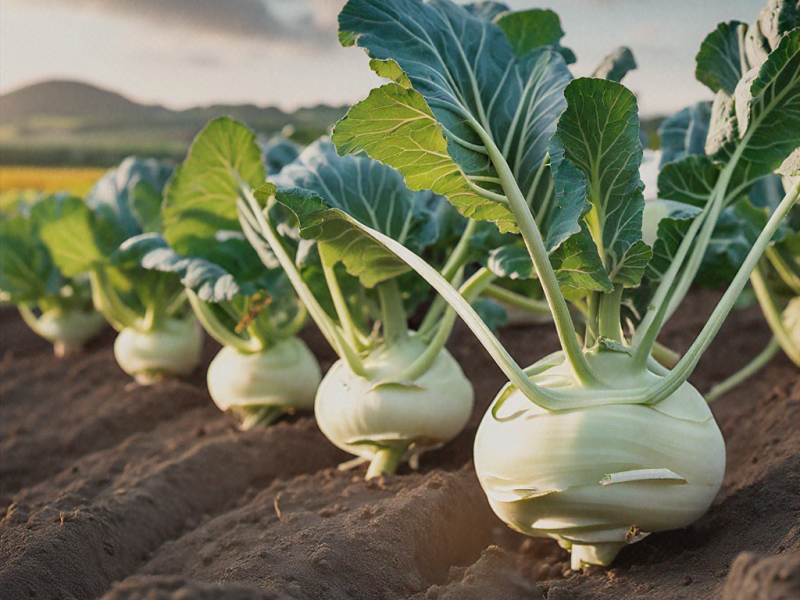
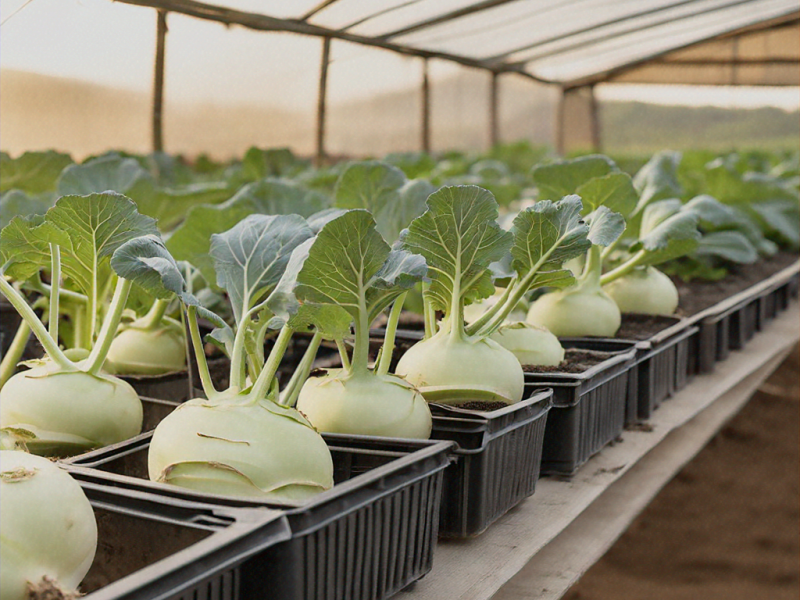
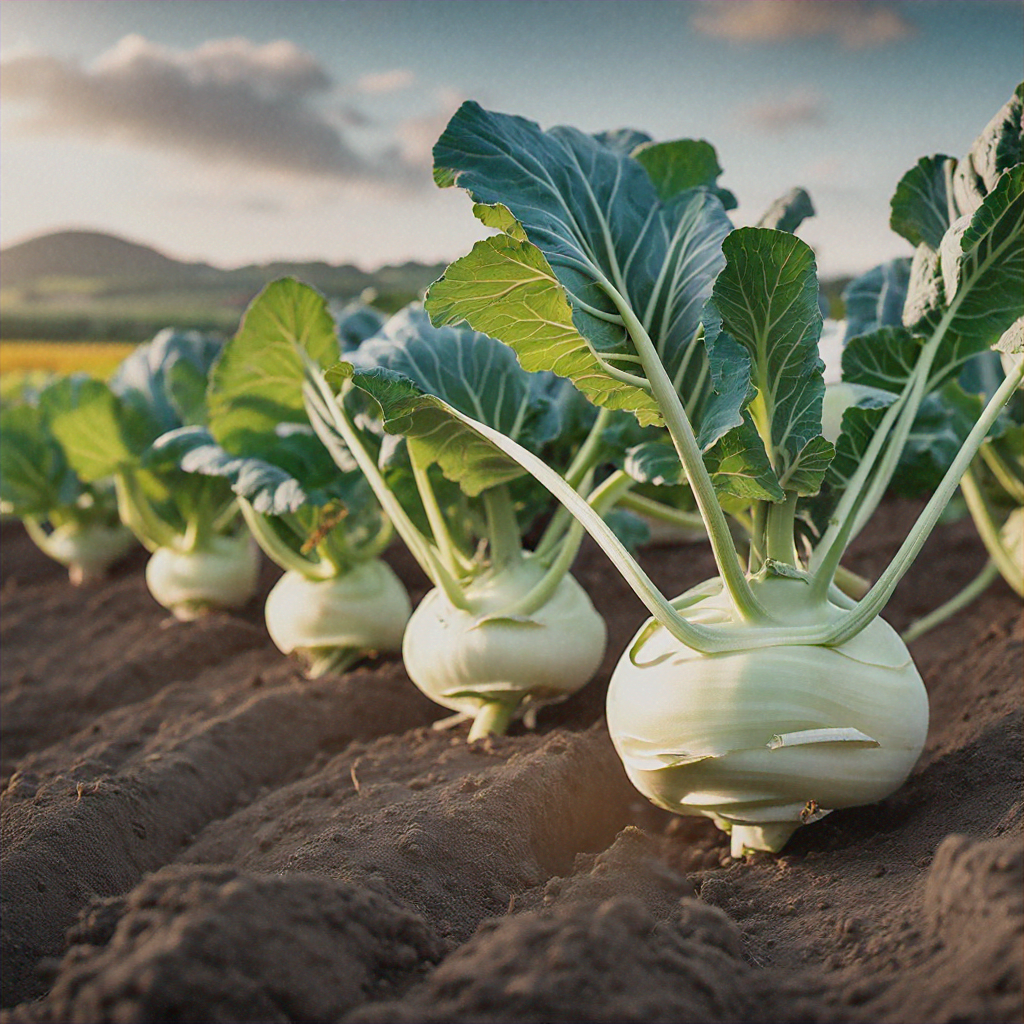
Kohlrabi, scientifically known as Brassica oleracea var. gongylodes, is a member of the cabbage family. It’s a unique vegetable that features a bulbous stem that grows above the ground, with leaves and a flavor that resembles a cross between a cabbage and a broccoli stem. Kohlrabi is renowned for its exceptional nutritional profile, rich in vitamins, minerals, and dietary fiber, making it a valuable addition to any balanced diet.
Climatic Requirements for Kohlrabi in Brazil
Brazil’s diverse climatic conditions offer a range of suitable environments for growing kohlrabi. The vegetable thrives in cool to temperate regions, with an optimal temperature range of 15°C to 25°C (59°F to 77°F). In Brazil, the southern and southeastern regions, including states like São Paulo, Paraná, and Santa Catarina, often provide the ideal climatic conditions for successful kohlrabi cultivation.
Soil Preparation and Planting
Kohlrabi prefers well-drained, nutrient-rich soil with a slightly acidic to neutral pH (6.0 to 7.0). Before planting, prepare the soil by tilling it to a depth of 8-10 inches, and incorporate organic matter such as compost or well-rotted manure. This will improve soil structure, moisture retention, and nutrient availability.
The best time to plant kohlrabi in Brazil is during the cooler months, typically from March to May (autumn) or August to October (spring), depending on the region. Sow the seeds directly into the prepared soil, spacing them 4-6 inches apart and covering them with 1/2 inch of soil. Thin the seedlings to 8-12 inches apart once they have reached a height of 2-3 inches.
Watering and Fertilization
Consistent and adequate watering is crucial for the healthy growth of kohlrabi. Aim to keep the soil consistently moist, but not waterlogged. Provide about 1 inch of water per week, adjusting as needed based on weather conditions and plant growth.
To ensure optimal nutrient availability, apply a balanced, slow-release fertilizer at the time of planting. Follow the manufacturer’s instructions for the appropriate application rate. Additionally, you can provide a side-dressing of organic fertilizer, such as compost or well-rotted manure, every 4-6 weeks to maintain soil fertility and promote vigorous plant growth.
Pest and Disease Management
Kohlrabi is generally a hardy vegetable, but it can be susceptible to various pests and diseases. Here are some common issues and their management strategies:
- Aphids: These small, sap-sucking insects can quickly infest kohlrabi plants. Use insecticidal soap or neem oil to control aphid populations.
- Cabbage Worms: The larvae of cabbage moths can chew on the leaves and stems of kohlrabi. Employ beneficial insects, such as ladybugs or parasitic wasps, or use Bacillus thuringiensis (Bt) to manage these pests.
- Clubroot: This soil-borne disease can cause the roots to become swollen and distorted. Improve soil drainage, maintain proper pH, and rotate crops to prevent clubroot.
- Downy Mildew: This fungal disease can result in yellowing and wilting of the leaves. Apply a copper-based fungicide or implement cultural practices, such as proper spacing and air circulation, to manage downy mildew.
Regular monitoring and prompt action are essential in maintaining the health and vigor of your kohlrabi plants.
Harvesting and Storage
Kohlrabi is ready to harvest when the stem has reached 2-4 inches in diameter, typically 50-60 days after planting. Gently pull or cut the plant at the base, leaving a few leaves attached to the stem. Harvest in the morning, when the plants are turgid and the weather is cool.
To store kohlrabi, trim the leaves, leaving about 1 inch of the stem attached. Place the kohlrabi in a plastic bag or airtight container and store it in the refrigerator, where it can typically be kept for up to 2-3 weeks.
Culinary Uses and Nutritional Benefits
Kohlrabi is a versatile vegetable that can be prepared in a variety of ways. The stem can be peeled, sliced, or cubed and used in salads, stir-fries, soups, or roasted as a side dish. The leaves can also be cooked and enjoyed like other leafy greens.
Nutritionally, kohlrabi is a powerhouse. It’s an excellent source of vitamin C, providing nearly the entire daily recommended intake in a single serving. It also contains significant amounts of vitamin B6, potassium, copper, and dietary fiber, all of which contribute to overall health and well-being.
The Impact of Kohlrabi Cultivation on Human Welfare
The cultivation of kohlrabi in Brazil has a far-reaching impact on human welfare. By providing a nutritious and affordable food source, it helps to address issues of food security and malnutrition, which are prevalent in certain regions of the country. Additionally, the introduction of kohlrabi cultivation can diversify the agricultural landscape, promoting crop rotation and sustainable farming practices that benefit the environment and the local communities.
Moreover, the economic opportunities associated with kohlrabi production can contribute to the livelihoods of small-scale farmers and rural communities. The sale of kohlrabi at local markets or through distribution channels can generate additional income, improving overall economic well-being and empowering individuals and families.
Beyond the direct economic and nutritional benefits, the cultivation of kohlrabi also fosters a sense of community and cultural exchange. As this vegetable gains popularity, it can become a unifying element, with people sharing recipes, cultivation techniques, and culinary traditions, further strengthening the social fabric of the communities involved.
Conclusion
Growing kohlrabi in Brazil is a rewarding endeavor that not only provides a nutritious and versatile vegetable but also contributes to the overall well-being of the population. By following the comprehensive guidelines outlined in this article, you can successfully cultivate kohlrabi and reap the benefits of this remarkable plant. As a plant doctor, I encourage you to embrace the power of kohlrabi cultivation and be a part of the journey towards a more food-secure and nutritionally-balanced Brazil.