Plant Doctor & Care for Kohlrabi – China Guide: Step-by-Step & Yield Tips
In the vast and diverse world of agriculture, cultivating crops that not only nourish the body but also contribute to human welfare is a noble pursuit. Kohlrabi, a member of the cabbage family, is one such crop that has gained significant attention in recent years, particularly in China. This unique vegetable, with its distinctive swollen stem and delicate flavor, offers a wealth of nutritional benefits and has the potential to play a crucial role in enhancing food security and improving overall human welfare. In this comprehensive guide, we will delve into the world of kohlrabi, exploring the step-by-step process of its cultivation, the essential care it requires, and the practical tips to maximize its yield – all within the context of China’s agricultural landscape.
Understanding Kohlrabi
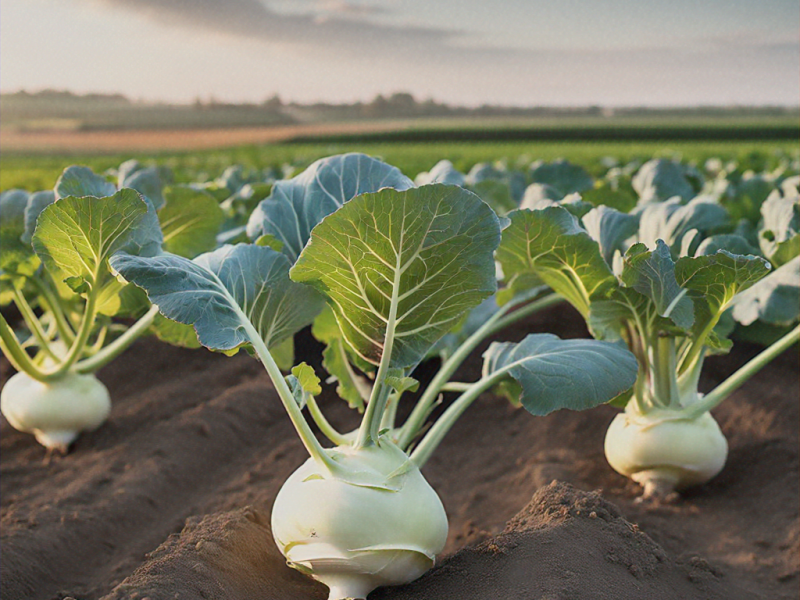
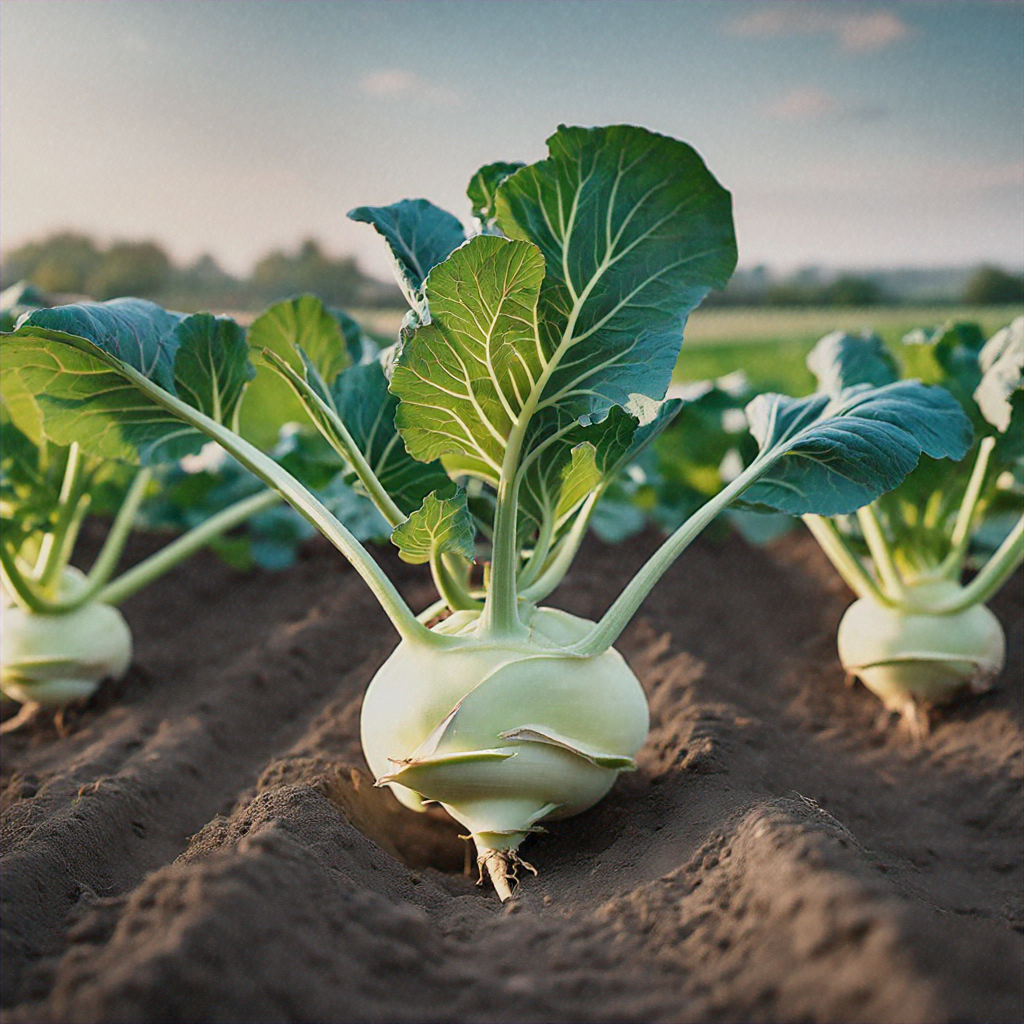
Kohlrabi, scientifically known as Brassica oleracea var. gongylodes, is a cool-season vegetable that thrives in temperate climates. Originating from the Mediterranean region, this versatile crop has found a welcoming home in China’s diverse agricultural landscape. Kohlrabi is known for its unique appearance, with a swollen, bulb-like stem that grows above the ground, surrounded by a crown of glossy, edible leaves.
What sets kohlrabi apart is its exceptional nutritional profile. Rich in vitamins C and B6, as well as minerals like potassium, copper, and manganese, this vegetable is a powerhouse of essential nutrients. Kohlrabi also boasts a high fiber content, making it a valuable addition to a balanced diet. Furthermore, its low-calorie nature and the presence of compounds like glucosinolates and isothiocyanates make it a potential ally in the fight against certain chronic diseases, including cancer and heart disease.
Step-by-Step Guide to Kohlrabi Cultivation
Cultivating kohlrabi in China requires a careful consideration of the region’s climatic conditions, soil characteristics, and cultural practices. Here’s a step-by-step guide to successful kohlrabi cultivation:
- Site Selection: Choose a well-drained, nutrient-rich soil that receives ample sunlight. Kohlrabi thrives in areas with cool, temperate climates, making many regions in China, such as the northeastern and central provinces, ideal for its cultivation.
- Soil Preparation: Before planting, amend the soil with organic matter, such as compost or well-rotted manure, to improve its fertility and drainage. This step is crucial for ensuring optimal growth and development of the kohlrabi plants.
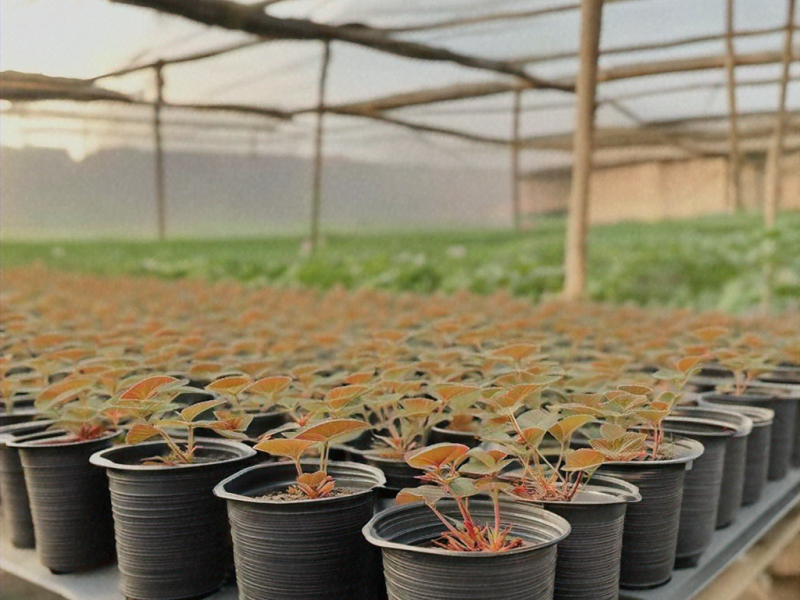
- Seed Sowing: Kohlrabi can be grown from seeds or transplants. For direct sowing, plant the seeds about 1/2 inch deep and 12-18 inches apart, in rows spaced 24-36 inches apart. If using transplants, ensure they are hardened off before planting in the garden.
- Watering and Irrigation: Kohlrabi requires consistent moisture, especially during the critical growth stages. Establish a regular watering schedule, providing about 1-2 inches of water per week, either through rainfall or irrigation.
- Fertilization: Kohlrabi benefits from regular fertilization, particularly with nitrogen-rich fertilizers. Apply a balanced, slow-release fertilizer at the time of planting and again midway through the growing season.
- Weed Management: Keep the kohlrabi bed free of weeds, as they can compete for nutrients and water, hindering the plants’ growth. Regularly hand-pull weeds or use mulch to suppress their growth.
- Pest and Disease Control: Monitor the kohlrabi plants for common pests, such as aphids, cabbage worms, and flea beetles, and take appropriate control measures. Additionally, be vigilant for signs of diseases like club root and bacterial leaf spot, and take prompt action to address them.
- Harvesting: Kohlrabi is ready for harvest when the stem has reached the desired size, typically 2-4 inches in diameter. Gently twist and pull the plant from the ground, ensuring the entire stem is removed.
Maximizing Kohlrabi Yield: Tips and Strategies
To ensure a bountiful kohlrabi harvest and contribute to enhanced human welfare, consider the following tips and strategies:
- Crop Rotation: Implement a well-planned crop rotation system, as kohlrabi belongs to the Brassicaceae family, which can be susceptible to certain pests and diseases. Rotating kohlrabi with non-related crops can help break the pest and disease cycles, improving overall plant health and productivity.
- Precision Planting: Carefully time the planting of kohlrabi to coincide with the optimal growing conditions in your region. In China, this may involve coordinating with the local climate patterns and adapting planting schedules accordingly.
- Microclimate Optimization: Leverage the unique microclimates within your growing area to your advantage. For example, planting kohlrabi in slightly shaded or wind-protected spots can help mitigate temperature extremes and ensure optimal growth.
- Intercropping and Companion Planting: Consider incorporating companion plants, such as marigolds or radishes, which can help deter pests and improve soil health. Intercropping kohlrabi with other compatible crops can also maximize land use and increase overall yield.
- Postharvest Handling and Storage: Proper postharvest handling and storage techniques are crucial for maintaining the quality and freshness of harvested kohlrabi. Ensure prompt cooling, adequate humidity, and appropriate storage conditions to extend the shelf life of your crop.
- Varietal Selection: Choose kohlrabi varieties that are well-suited to your local climate and growing conditions. Work with agricultural research institutions or local extension services to identify the most promising cultivars for your region.
- Farmer Education and Training: Invest in ongoing farmer education and training programs to equip growers with the latest best practices in kohlrabi cultivation, pest management, and sustainable farming techniques. This knowledge-sharing can contribute to improved yields, reduced environmental impact, and enhanced food security.
Kohlrabi’s Role in Enhancing Human Welfare
The cultivation and promotion of kohlrabi in China hold immense potential for enhancing human welfare. As a highly nutritious vegetable, kohlrabi can play a vital role in addressing issues of food security and malnutrition, particularly in the country’s rural and underserved communities.
By fostering the growth and accessibility of kohlrabi, agricultural initiatives can contribute to improved dietary diversity and balanced nutrition, leading to better overall health outcomes. Furthermore, the economic opportunities associated with kohlrabi cultivation, processing, and marketing can provide farmers with a sustainable source of income, empowering them and their communities.
Beyond its direct impact on nutrition and economic well-being, the cultivation of kohlrabi also holds the potential to contribute to environmental sustainability. As a crop that can thrive in diverse climates and soil conditions, kohlrabi can be integrated into sustainable farming practices, promoting biodiversity and reducing the reliance on resource-intensive agricultural methods.
In conclusion, the comprehensive guide to kohlrabi cultivation and care presented in this blog post underscores the immense value of this versatile vegetable in the context of China’s agricultural landscape and its potential to enhance human welfare. By embracing the cultivation of kohlrabi and implementing the strategies outlined here, farmers, policymakers, and agricultural stakeholders can work towards a future where nutritious, sustainable, and economically viable crops play a central role in improving the lives of individuals and communities across China.