Growing Kohlrabi – Plant Doctor & Care for India: Complete Guide & Best Practices
In the vibrant world of agricultural production, kohlrabi stands out as a versatile and nutritious vegetable that thrives in the diverse climates of India. Whether you’re a seasoned farmer or a passionate home gardener, mastering the art of growing kohlrabi can unlock a wealth of culinary and health benefits. In this comprehensive guide, we’ll explore the essential aspects of kohlrabi cultivation, from soil preparation to pest management, to help you cultivate a bountiful harvest.
Understanding Kohlrabi
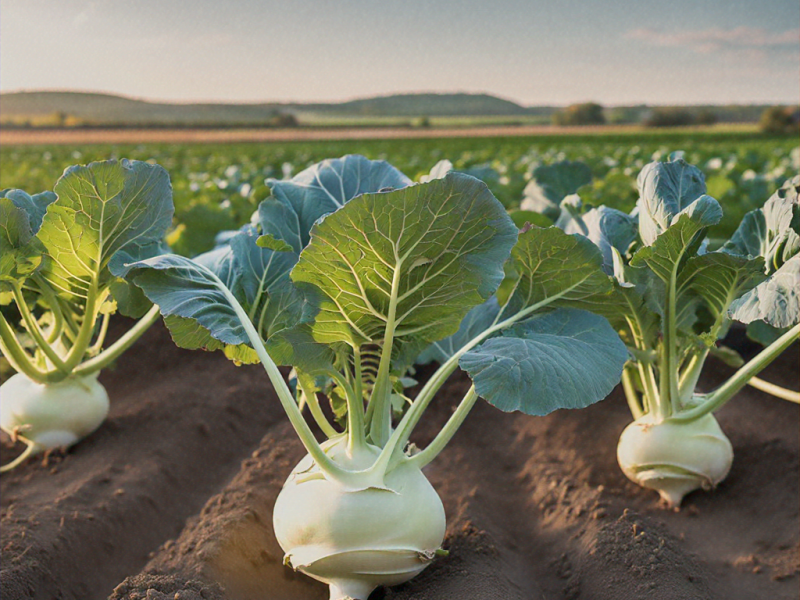
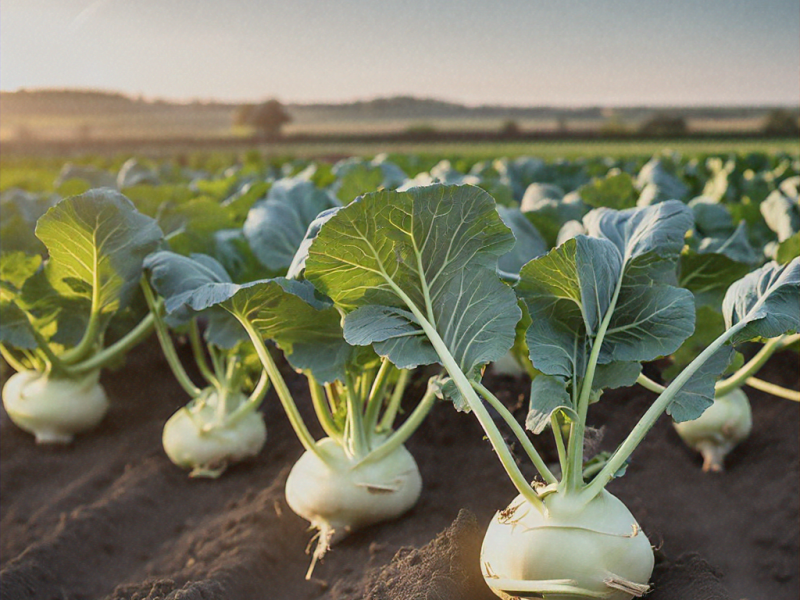
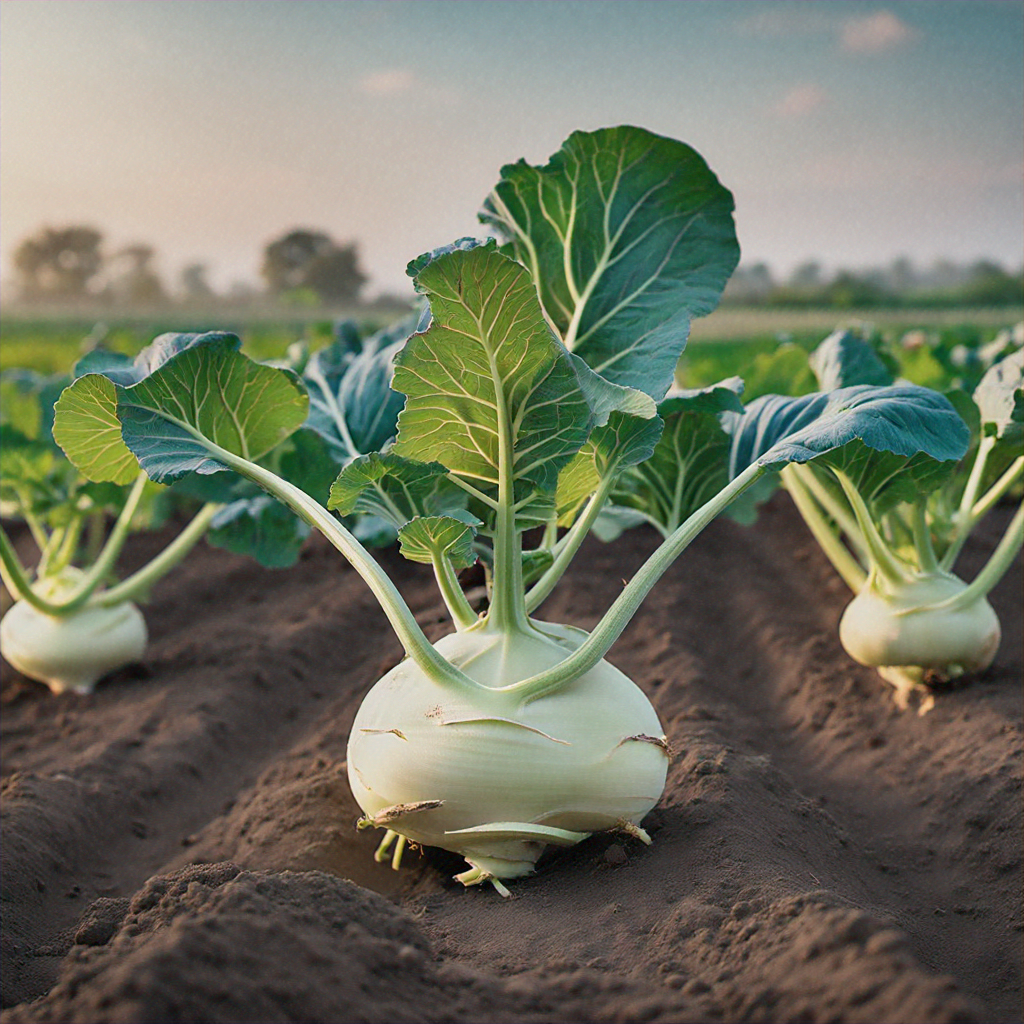
Kohlrabi, scientifically known as Brassica oleracea var. gongylodes, is a member of the Brassicaceae family, which includes other popular vegetables like cabbage, broccoli, and cauliflower. What sets kohlrabi apart is its unique, swollen stem that grows above the ground, resembling a bulb-like structure. This distinctive feature is not only visually appealing but also highly nutritious, packed with essential vitamins, minerals, and fiber.
Kohlrabi is a cool-weather crop that can be grown successfully in many regions of India, particularly in the northern and central parts of the country. Its adaptability to a wide range of soil types and climatic conditions makes it a valuable addition to any agricultural landscape.
Site Selection and Soil Preparation
Choosing the right location for your kohlrabi patch is crucial for optimal growth and production. Kohlrabi thrives in well-drained, fertile soils with a slightly acidic to neutral pH range (6.0 to 7.5). Avoid heavy clay soils or areas with poor drainage, as these can lead to root rot and other plant health issues.
To prepare the soil, start by loosening the top 6-8 inches of the soil using a tiller or spade. Incorporate generous amounts of organic matter, such as compost or well-rotted manure, to improve soil structure and nutrient content. This will provide the necessary nutrients for your kohlrabi plants to thrive.
Planting and Spacing
Kohlrabi can be grown from seeds or transplants, depending on your preference and growing season. For a spring crop, sow the seeds indoors 4-6 weeks before the last expected frost date, then transplant the seedlings into the prepared garden beds. For a fall crop, direct-sow the seeds in the garden 4-6 weeks before the first expected frost.
When planting, space the kohlrabi seeds or transplants 12-18 inches apart, with rows spaced 18-24 inches apart. This spacing allows for proper root development and air circulation, reducing the risk of disease and ensuring a bountiful harvest.
Watering and Fertilization
Consistent and adequate moisture is crucial for the growth and development of kohlrabi plants. Aim to keep the soil consistently moist, but not waterlogged, throughout the growing season. Drip irrigation or soaker hoses can be an effective way to maintain consistent soil moisture without overwatering.
Regarding fertilization, kohlrabi benefits from a balanced, nutrient-rich soil. Before planting, incorporate a slow-release, organic fertilizer into the soil to provide a steady supply of nutrients. During the growing season, you can also apply a water-soluble fertilizer every 2-3 weeks to ensure your plants receive the necessary nutrients for optimal growth.
Weed Management and Mulching
Keeping your kohlrabi patch weed-free is essential for successful cultivation. Weeds can compete with your plants for water, nutrients, and sunlight, ultimately reducing the yield and quality of your kohlrabi. Regularly hand-pulling weeds or using a hoe to cultivate the soil surface can help maintain a clean and thriving garden.
Applying a 2-3 inch layer of organic mulch, such as straw, wood chips, or shredded leaves, around the base of the plants can also help suppress weed growth and retain soil moisture. Be sure to keep the mulch a few inches away from the plant stems to avoid any potential fungal issues.
Pest and Disease Management
Kohlrabi, like many other Brassica crops, can be susceptible to a variety of pests and diseases. Some common issues include:
- Aphids: These small, sap-sucking insects can cause stunted growth and leaf curling. Encourage beneficial insects like ladybugs and lacewings to help control aphid populations.
- Cabbage worms: The larvae of various moth species can chew holes in the leaves and bore into the kohlrabi bulbs. Use row covers or handpick the caterpillars to manage this pest.
- Clubroot: A soil-borne fungal disease that causes the roots to become swollen and distorted. Improve soil drainage and maintain proper pH levels to prevent clubroot.
- Downy mildew: A fungal disease that causes yellowing and wilting of the leaves. Ensure proper air circulation and avoid overwatering to mitigate the risk of downy mildew.
To manage these pests and diseases, adopt a combination of cultural practices, such as crop rotation, proper sanitation, and the use of resistant varieties. In case of severe infestations, you may need to consider the use of organic or natural pesticides, always following the manufacturer’s instructions.
Harvesting and Storage
Kohlrabi is typically ready for harvest when the bulb is 2-4 inches in diameter, usually 50-60 days after planting. The best time to harvest is in the morning, when the plants are turgid and the bulbs are firm to the touch.
To harvest, use a sharp knife or garden shears to cut the kohlrabi bulb just below the soil line, leaving a small portion of the stem attached. Gently twist and pull the bulb, taking care not to damage the leaves or the root system.
After harvesting, you can store kohlrabi in the refrigerator for up to 2-3 weeks. Before storing, trim off the leaves, leaving about an inch of the stem attached. Place the kohlrabi bulbs in a perforated plastic bag or a container with a damp paper towel to maintain moisture and prevent wilting.
Culinary Uses and Nutritional Benefits
Kohlrabi is a versatile vegetable that can be enjoyed in a variety of culinary applications. The crunchy, mild-flavored bulb can be eaten raw, sliced into salads, or incorporated into stir-fries, soups, and roasted vegetable dishes. The leaves can also be cooked like other leafy greens, such as kale or spinach.
In terms of nutritional value, kohlrabi is a powerhouse. It is low in calories but high in essential vitamins and minerals, including vitamin C, vitamin K, potassium, and fiber. Kohlrabi also contains glucosinolates, which are believed to have anti-cancer and anti-inflammatory properties.
Conclusion
Growing kohlrabi in India can be a rewarding and fulfilling experience for both seasoned farmers and home gardeners. By following the best practices outlined in this guide, you can cultivate a bountiful harvest of this nutritious and versatile vegetable.
Remember, successful kohlrabi cultivation requires attention to soil preparation, proper planting and spacing, consistent watering and fertilization, effective weed and pest management, and timely harvesting. With a little care and dedication, you can enjoy the countless culinary and health benefits that kohlrabi has to offer.
Happy growing and bon appétit!