Kohlrabi Cultivation in Europe: Plant Doctor & Care – Varieties, Soil & Harvest
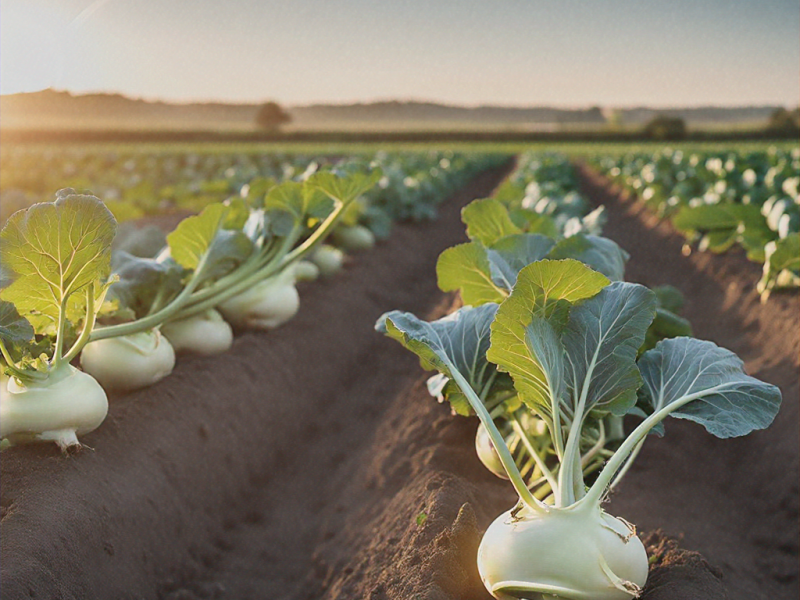
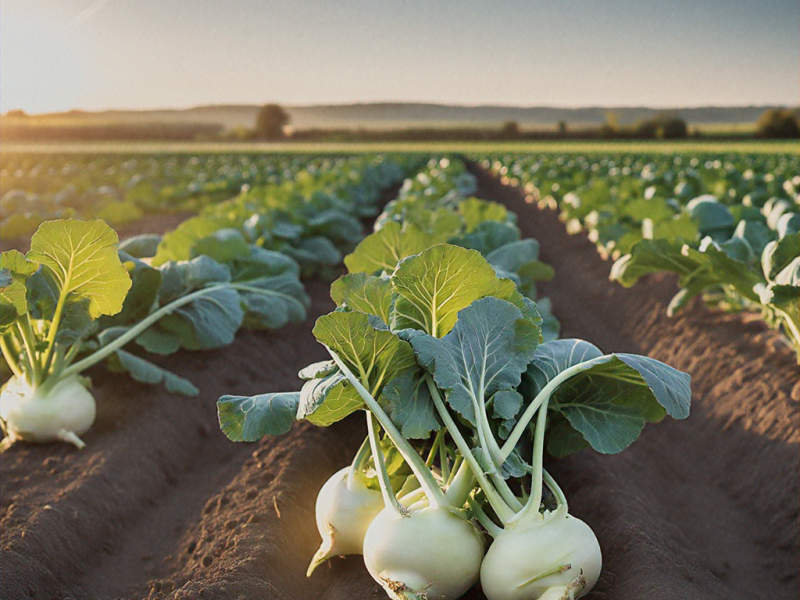
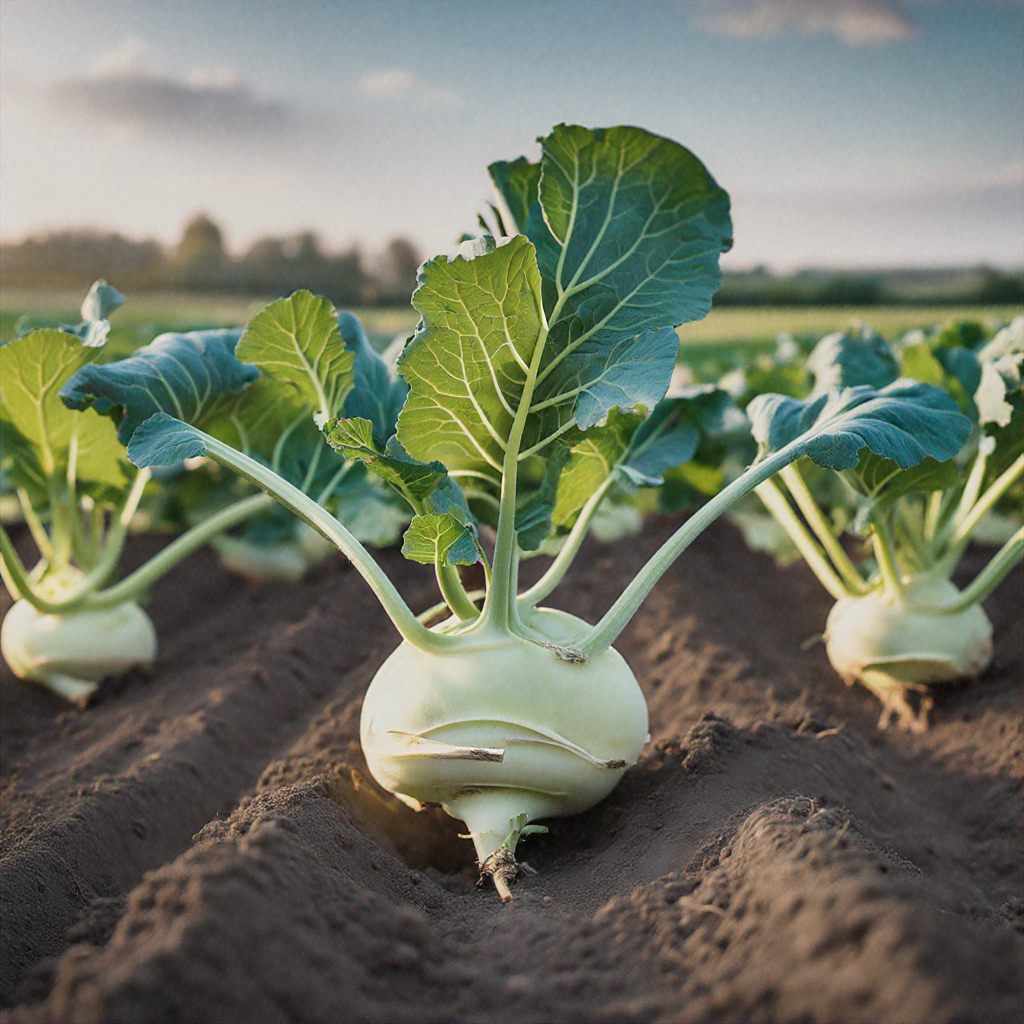
Kohlrabi, a member of the Brassica family, is a unique and versatile vegetable that has gained significant popularity in European cuisine. Known for its distinct bulb-like shape and crisp, slightly sweet flavor, kohlrabi is a staple in many traditional dishes across the continent. As a plant doctor, I’m excited to share my expertise on the cultivation of this remarkable vegetable in the European context, covering essential aspects such as varieties, soil requirements, and harvesting techniques.
Varieties of Kohlrabi
Kohlrabi comes in a variety of shapes, sizes, and colors, each with its own distinct characteristics and culinary uses. In Europe, some of the most popular kohlrabi varieties include:
- Purple Vienna: A classic European variety with a vibrant purple-blue exterior and a crisp, white interior. This variety is known for its mild, slightly sweet flavor.
- White Vienna: A classic green-stemmed kohlrabi with a pale white exterior and a tender, juicy interior. This variety is often used in soups, stews, and raw vegetable platters.
- Gigante: A larger, more robust variety of kohlrabi that can reach up to 8 inches in diameter. Gigante is prized for its ability to withstand colder temperatures and its suitability for long-term storage.
- Kossak: A German-bred variety that produces exceptionally large, round bulbs with a crisp, juicy texture. Kossak is often used in roasted or grilled dishes, showcasing its versatility in the kitchen.
Soil Requirements and Cultivation
Kohlrabi thrives in well-drained, nutrient-rich soil with a slightly acidic pH range of 6.0 to 7.0. The plant prefers a sunny location, although it can tolerate partial shade. When preparing the soil, it’s essential to incorporate organic matter, such as compost or well-rotted manure, to improve soil structure and fertility.
Sowing kohlrabi seeds directly into the ground is recommended, with the optimal time being in early spring or late summer, depending on the desired harvest season. Spacing the seeds about 1 inch deep and 6 to 8 inches apart will ensure proper growth and development of the bulbs. Consistent moisture is crucial, especially during the early stages of growth, to prevent the bulbs from becoming tough or woody.
As the plants grow, it’s important to monitor for common pests and diseases, such as aphids, cabbage worms, and clubroot. Regular inspection and the use of organic pest control methods, like companion planting or natural insecticides, can help maintain the health and vigor of the kohlrabi crop.
Plant Care and Maintenance
Proper care and maintenance are essential for optimal kohlrabi cultivation. Here are some key tips to ensure a bountiful harvest:
- Thinning: When the seedlings reach 2 to 3 inches tall, thin them out to a spacing of 6 to 8 inches between plants. This will allow the remaining plants to develop strong, healthy bulbs.
- Mulching: Apply a 2 to 3-inch layer of organic mulch, such as straw or shredded leaves, around the base of the plants. This will help retain soil moisture, suppress weeds, and regulate soil temperature.
- Fertilizing: Kohlrabi is a heavy feeder, and regular applications of a balanced, organic fertilizer can promote vigorous growth and optimum bulb development. Incorporate the fertilizer into the soil around the plants, taking care not to let it come into direct contact with the leaves or bulbs.
- Watering: Consistent and adequate watering is crucial for kohlrabi cultivation. Aim to keep the soil consistently moist, but avoid waterlogging, which can lead to root rot and other issues.
- Blanching: For a more tender and mild-tasting bulb, consider blanching the kohlrabi by wrapping the lower portion of the plant with a light-blocking material, such as a paper or plastic bag. This will prevent the bulb from turning green and developing a slightly bitter flavor.
Harvesting and Storage
Kohlrabi is typically ready for harvest when the bulb reaches 2 to 4 inches in diameter, usually within 50 to 70 days after sowing. To ensure optimal flavor and texture, it’s important to harvest the kohlrabi at the right time. The ideal stage for harvesting is when the bulb is firm, crisp, and still tender, with a smooth, blemish-free exterior.
When harvesting, use a sharp knife or garden shears to cut the bulb just above the soil line, leaving a small portion of the stem attached. Gently twist and pull the bulb from the ground, taking care not to damage the leaves or the stem. Immediately remove any remaining leaves and store the kohlrabi in a cool, dark place, such as a refrigerator or a root cellar, to maintain freshness and crispness.
Properly stored kohlrabi can last for several weeks, making it a versatile and long-lasting vegetable in the European kitchen. When ready to use, simply peel the outer skin, rinse the bulb, and prepare it in a variety of ways, from raw in salads to roasted or sautéed as a side dish.
Culinary Uses and Recipes
Kohlrabi’s unique flavor and texture make it a versatile ingredient in European cuisine. From classic German dishes to contemporary culinary creations, this vegetable shines in a variety of preparations:
- Kohlrabi Slaw: Shredded or julienned kohlrabi, tossed with a tangy vinaigrette, makes a refreshing and crunchy slaw perfect for summer barbecues or as a topping for burgers and sandwiches.
- Roasted Kohlrabi: Toss cubed kohlrabi with olive oil, salt, and pepper, then roast in the oven until tender and caramelized. Serve as a side dish or incorporate into grain bowls and salads.
- Kohlrabi Gratin: Thinly slice kohlrabi, layer it with a creamy béchamel sauce and cheese, then bake until golden and bubbly. This comforting dish is a perfect winter warmer.
- Kohlrabi Remoulade: Grate or julienne kohlrabi and toss it with a tangy, creamy remoulade sauce made with mayonnaise, Dijon mustard, and herbs. Serve as a side dish or use as a topping for burgers and sandwiches.
- Kohlrabi Soup: Sauté diced kohlrabi with onions, garlic, and broth, then purée the mixture to create a silky, flavorful soup. Top with croutons or a swirl of cream for a comforting and satisfying dish.
As you can see, the versatility of kohlrabi allows it to shine in a wide range of European culinary traditions. Whether you’re looking to add a unique crunch to your salads, roast it as a delectable side, or incorporate it into hearty soups and gratins, this humble vegetable is a true delight for the senses.
Conclusion
Kohlrabi’s rise in popularity across Europe is a testament to its exceptional flavor, versatility, and nutritional value. As a plant doctor, I’m passionate about empowering home gardeners and small-scale farmers to successfully cultivate this remarkable vegetable. By understanding the unique varieties, soil requirements, and care techniques, you can unlock the full potential of kohlrabi and bring a taste of Europe to your own table.
Whether you’re a seasoned gardener or a curious home cook, I hope this guide has provided you with the knowledge and inspiration to explore the world of kohlrabi cultivation and culinary delights. Happy growing and bon appétit!