Plant Doctor & Care for Kohlrabi – Global Guide: Step-by-Step & Yield Tips
In the realm of agriculture and human welfare, understanding the care and cultivation of diverse crops is crucial. Today, we delve into the world of kohlrabi, a versatile and nutrient-dense vegetable that deserves a prominent place in our gardens and on our plates. Join us as we explore the step-by-step guide to becoming a plant doctor for your kohlrabi, with a focus on maximizing yields and ensuring the overall health and well-being of this remarkable plant.
Understanding Kohlrabi
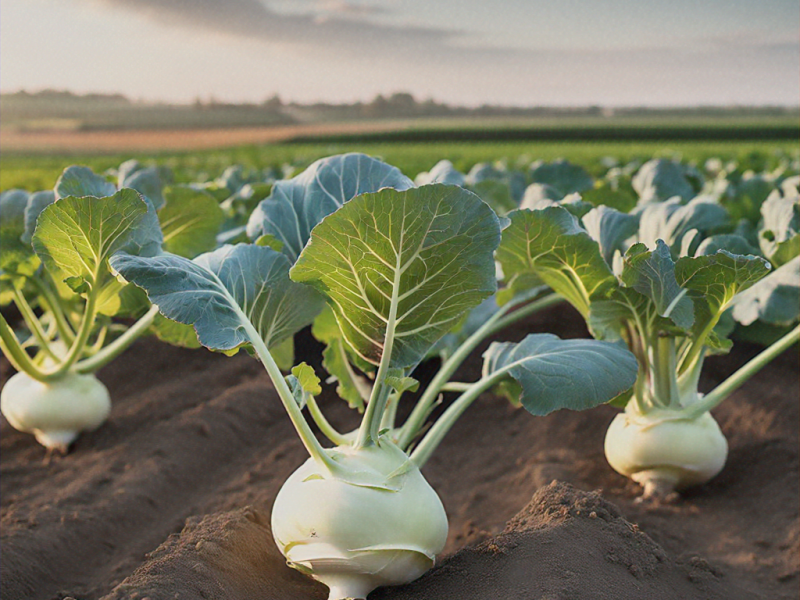
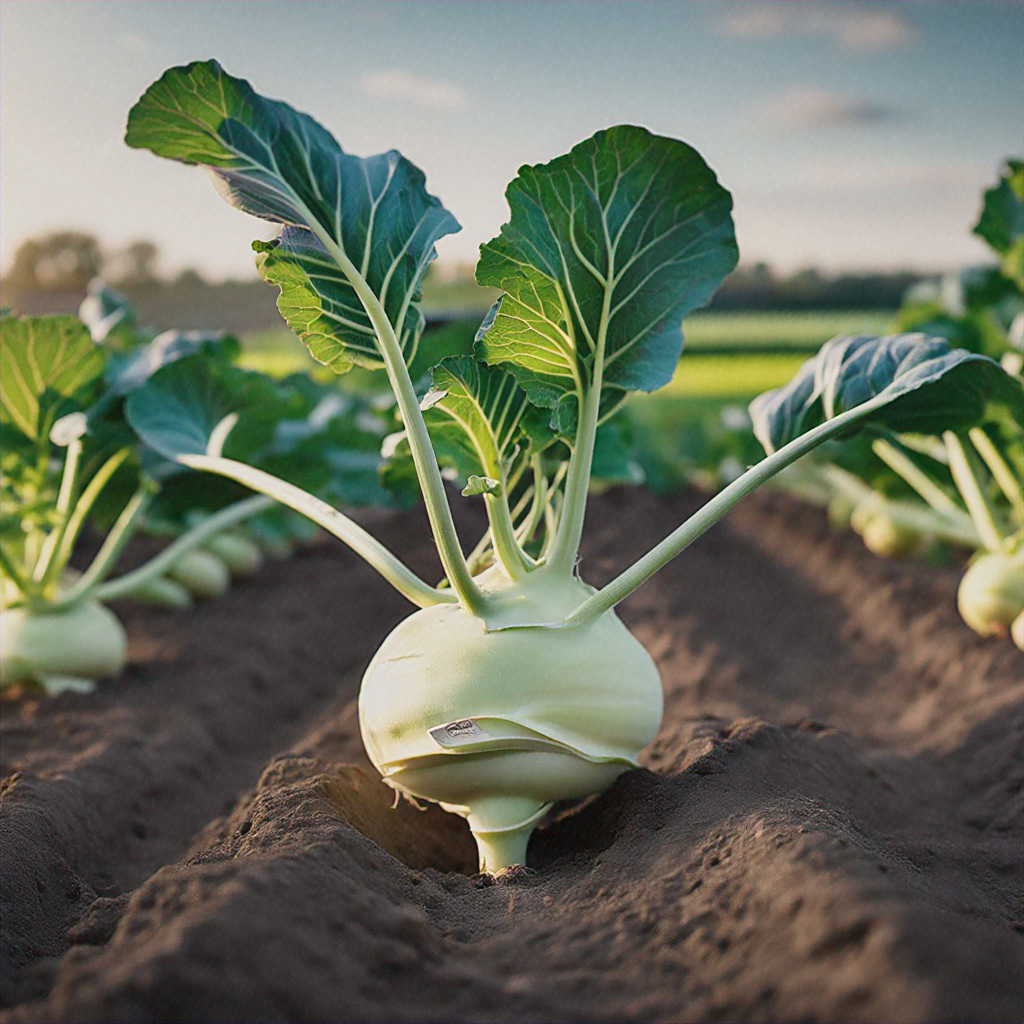
Kohlrabi, scientifically known as Brassica oleracea var. gongylodes, is a member of the Brassica family, which also includes cabbage, broccoli, and cauliflower. This unique vegetable is known for its distinctive swollen stem, which is the edible part of the plant. Kohlrabi can be found in various colors, ranging from purple to white, and its flavor profile is often described as a delightful combination of cabbage and broccoli stems.
Kohlrabi is not only a culinary delight but also a powerhouse of nutrition. It is rich in vitamins C and K, as well as various minerals, such as potassium and magnesium. Additionally, kohlrabi is a good source of dietary fiber, which can contribute to overall digestive health and well-being. This versatile vegetable can be enjoyed raw, roasted, or incorporated into a variety of dishes, making it a valuable addition to any well-rounded diet.
Site Selection and Soil Preparation
Choosing the right location for your kohlrabi is the first step in ensuring a successful harvest. Kohlrabi thrives in well-drained, nutrient-rich soil with a pH range of 6.0 to 7.5. Select a spot that receives full sun exposure, as kohlrabi requires at least 6 hours of direct sunlight per day to flourish.
Before planting, prepare the soil by loosening it to a depth of 8-10 inches and incorporating organic matter, such as compost or well-rotted manure. This will improve soil structure, drainage, and nutrient content, providing the optimal environment for your kohlrabi plants to thrive.
Planting and Care
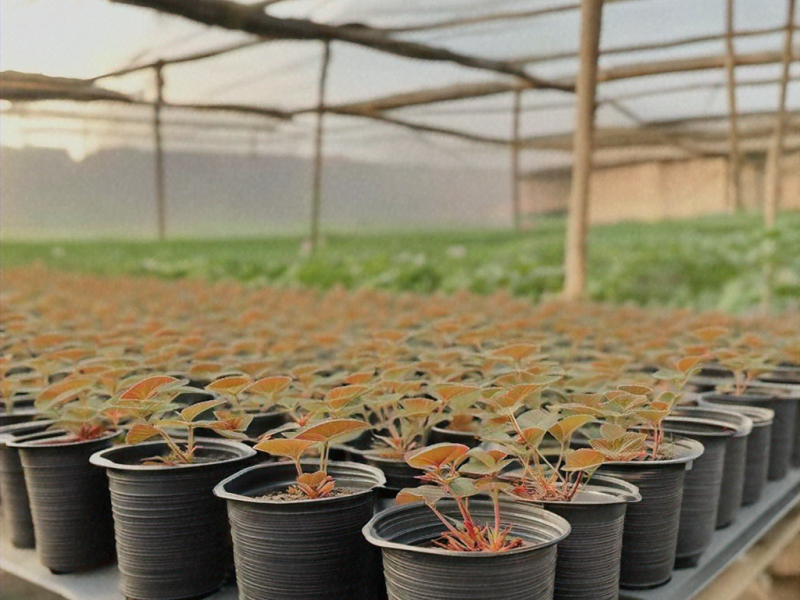
Kohlrabi can be grown from seed or transplanted as seedlings. If starting from seed, sow them about 1/2 inch deep and 1-2 inches apart. Keep the soil consistently moist until the seeds germinate, which typically takes 7-14 days.
Once the seedlings have developed their first true leaves, thin them out to a spacing of 6-8 inches between plants. This will allow each kohlrabi plant to have enough room to develop its characteristic swollen stem.
Watering is crucial for the success of your kohlrabi crop. Aim to keep the soil consistently moist but not waterlogged. Provide about 1-2 inches of water per week, adjusting as needed based on weather conditions and plant growth.
Fertilize your kohlrabi plants regularly with a balanced, nitrogen-rich fertilizer, such as a 10-10-10 or 12-12-12 formula. Apply the fertilizer according to the manufacturer’s instructions, typically every 4-6 weeks during the growing season.
Maintaining weed-free conditions around your kohlrabi plants is essential, as weeds can compete for nutrients and water. Regularly hand-pull or hoe weeds to keep the area clean and allow your kohlrabi to thrive.
Pest and Disease Management
Kohlrabi is susceptible to various pests and diseases, and being a proactive plant doctor is crucial for ensuring a healthy and bountiful harvest. Some common issues to watch out for include:
- Aphids: Small, sap-sucking insects that can cause stunted growth and leaf distortion. Control them with insecticidal soap or by introducing beneficial predators, such as ladybugs.
- Cabbage worms: Caterpillars that feed on the leaves and stems. Use row covers or apply bacillus thuringiensis (Bt), a natural bacterial insecticide, to manage them.
- Club root: A soil-borne disease that causes the roots to become swollen and deformed. Improve soil drainage and adjust the pH to 7.0 or higher to prevent this issue.
- Downy mildew: A fungal disease that leads to yellowing and wilting of the leaves. Maintain good air circulation and avoid overhead watering to minimize the risk of this disease.
By closely monitoring your kohlrabi plants and taking proactive measures to address any pest or disease concerns, you can ensure a healthy and thriving crop.
Harvest and Storage
Kohlrabi is ready for harvest when the swollen stem, or “bulb,” reaches 2-4 inches in diameter, typically 50-60 days after planting. Gently pull or cut the plant at the base, taking care to remove any attached leaves or stems.
For optimal freshness and flavor, consume your kohlrabi as soon as possible after harvesting. However, if you need to store them, kohlrabi can be kept in the refrigerator for up to 2-3 weeks. Ensure that the bulbs are stored in a plastic bag or airtight container to maintain moisture and prevent wilting.
If you have a surplus of kohlrabi, you can also consider freezing them for longer-term storage. Peel and cut the bulbs into cubes or slices, blanch them in boiling water for 2-3 minutes, and then immediately cool them in an ice bath. Drain the kohlrabi, pat them dry, and store them in airtight containers or freezer bags in the freezer for up to 8-12 months.
Maximizing Yields and Expanding Cultivation
To ensure a bountiful kohlrabi harvest, consider the following tips:
- Succession planting: Sow seeds or transplant seedlings every 2-3 weeks to extend the harvesting season and enjoy a continuous supply of fresh kohlrabi.
- Intercropping: Grow kohlrabi alongside compatible companion plants, such as carrots or radishes, to maximize the use of available space and potentially deter pests.
- Trellising: For taller kohlrabi varieties, provide support structures like cages or trellises to keep the plants upright and prevent the swollen stems from resting on the ground, which can lead to rotting.
- Microclimate management: Consider using row covers, cold frames, or greenhouses to extend the growing season and protect your kohlrabi plants from harsh weather conditions.
As you refine your kohlrabi cultivation techniques and apply these strategies, you can expect to see a significant increase in your overall yields, ensuring a consistent and abundant supply of this versatile and nutritious vegetable.
Conclusion
Becoming a plant doctor for your kohlrabi is a rewarding journey that not only benefits your personal culinary experience but also contributes to the broader goals of agricultural and human welfare. By mastering the step-by-step care for kohlrabi, from site selection and soil preparation to pest and disease management, you can cultivate a thriving and bountiful crop that nourishes both body and soul.
Remember, the key to success lies in understanding the unique needs of kohlrabi, staying vigilant for potential problems, and implementing proven strategies to maximize your yields. With this comprehensive guide, you are well on your way to becoming a kohlrabi plant doctor, ensuring a continuous supply of this nutrient-dense and versatile vegetable for your table and community.