Kohlrabi Cultivation in Texas: Intelligent Growth Guide – Varieties, Soil & Harvest
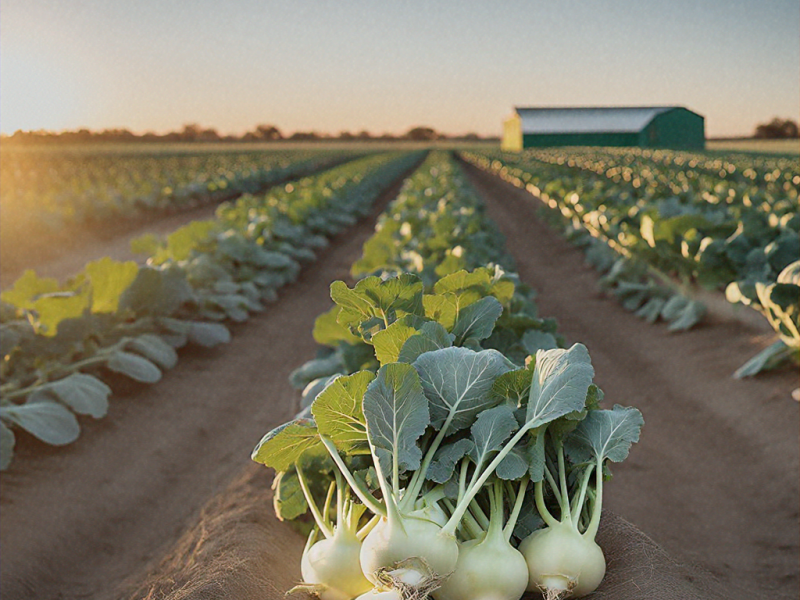
In the vast and diverse agricultural landscape of Texas, one crop has been steadily gaining attention for its unique versatility and resilience: kohlrabi. This lesser-known member of the cabbage family has captured the hearts and palates of growers and consumers alike, offering a nutritious and versatile addition to the Lone Star State’s bountiful harvest.
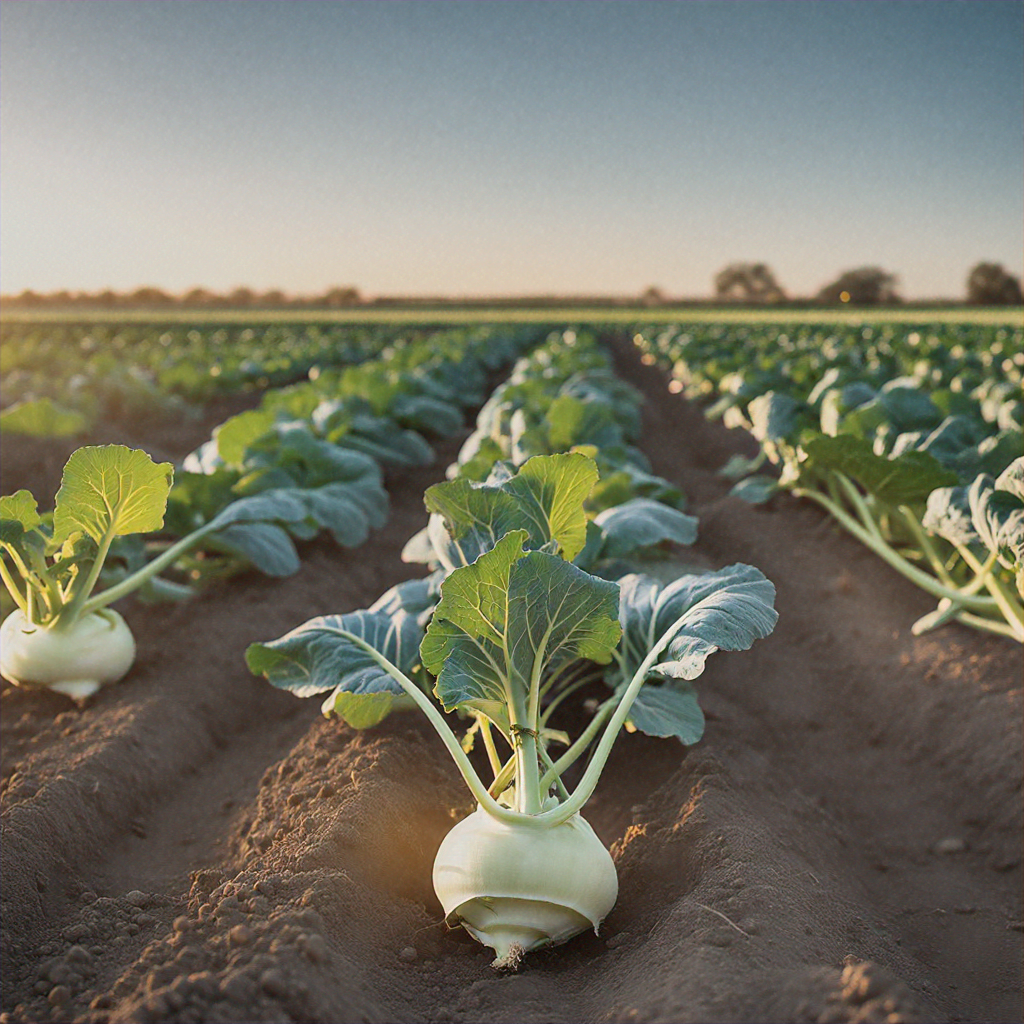
Kohlrabi, scientifically known as Brassica oleracea var. gongylodes, is a cool-weather crop that thrives in the temperate regions of Texas. Unlike its better-known cousins, such as broccoli and cauliflower, kohlrabi produces an edible swollen stem that can be enjoyed raw, cooked, or even pickled. With its crisp texture and delicate, slightly sweet flavor, kohlrabi has the potential to become a staple in Texas’ vibrant culinary scene.
Varieties of Kohlrabi for Texas
When it comes to growing kohlrabi in Texas, gardeners and farmers have a range of cultivars to choose from, each with its own unique characteristics and advantages. Here are some of the most popular and well-suited varieties for the Lone Star State:
- Early White Vienna: This classic variety is a fast-growing, early-maturing kohlrabi that produces round, pale-green bulbs with a mild, sweet flavor. It’s an excellent choice for short growing seasons and can be harvested in as little as 45 days.
- Purple Danube: As the name suggests, this variety boasts a striking, deep-purple exterior that contrasts beautifully with the crisp, white interior. Purple Danube is known for its resistance to bolting and maintains its flavor and texture even in warmer weather.
- Superschmelz: This German-bred variety is renowned for its large, globe-shaped bulbs that can reach up to 8 inches in diameter. Superschmelz is a reliable, high-yielding choice that thrives in Texas’ hot summers and cool winters.
- Kossak: This impressive cultivar is a late-maturing kohlrabi that can grow to an astounding 10 inches in diameter without becoming woody or tough. Kossak is a great option for those who want to extend their kohlrabi harvest well into the summer months.
Soil and Growing Conditions for Kohlrabi in Texas
Kohlrabi is a versatile crop that can adapt to a wide range of soil types and growing conditions, but it does have specific preferences to ensure optimal growth and yield. In the context of Texas, here are the key considerations for successful kohlrabi cultivation:
- Soil Type: Kohlrabi thrives in well-drained, nutrient-rich soils with a slightly acidic to neutral pH (between 6.0 and 7.5). The deep, sandy loam soils common in many parts of Texas are an excellent match for this crop.
- Temperature: Kohlrabi is a cool-weather crop that prefers daytime temperatures between 60°F and 75°F. In Texas, this typically translates to optimal growing conditions during the spring and fall seasons. Growers should be mindful of protecting their kohlrabi from the intense summer heat.
- Sunlight: Kohlrabi requires full sun exposure, with at least 6 hours of direct sunlight per day. The ample sunshine found across Texas provides the perfect conditions for this light-loving vegetable.
- Irrigation: Consistent moisture is key for kohlrabi cultivation. The crop requires about 1 to 1.5 inches of water per week, either through rainfall or supplemental irrigation. Drip or soaker hose systems can help maintain even soil moisture without overwatering.
- Fertilization: Kohlrabi benefits from regular applications of balanced, nitrogen-rich fertilizers to support healthy growth and bulb development. Organic amendments, such as compost or well-rotted manure, can also be incorporated into the soil before planting.
Planting and Harvesting Kohlrabi in Texas
Successful kohlrabi cultivation in Texas requires careful attention to the crop’s planting and harvesting schedule. By understanding the unique growing patterns of this versatile vegetable, growers can optimize their yields and ensure a bountiful harvest.
For spring plantings, kohlrabi should be sown directly into the ground or transplanted from seedlings as soon as the soil can be worked, typically between February and March. In the fall, a second crop can be planted from August to September for a late-season harvest.
Kohlrabi bulbs are ready for harvest when they reach 2 to 4 inches in diameter, typically 45 to 60 days after planting. It’s important to monitor the bulbs closely and harvest them before they become woody or tough. The best time to harvest is in the morning, when the plants are turgid and the bulbs are firm to the touch.
When harvesting, gently loosen the soil around the base of the plant and carefully pull the bulb from the ground, leaving the leaves intact. This helps retain moisture and preserve the freshness of the kohlrabi. After harvesting, the bulbs can be stored in the refrigerator for up to two weeks, providing ample time for enjoying their versatile culinary applications.
Culinary Versatility and Nutritional Benefits of Kohlrabi
Kohlrabi’s unique flavor profile and versatile culinary applications make it a valuable addition to the Texas kitchen. With a taste that has been described as a blend of broccoli, cabbage, and radish, kohlrabi can be enjoyed in a wide variety of dishes, both raw and cooked.
When consumed raw, kohlrabi bulbs can be sliced, shredded, or cubed and added to salads, slaws, and crudité platters. The crunchy texture and mild flavor make kohlrabi an excellent choice for snacking or as a healthy alternative to other raw veggies. Kohlrabi can also be steamed, boiled, or roasted, and its leaves can be sautéed or added to soups and stews.
Nutritionally, kohlrabi is a powerhouse. It is low in calories, high in fiber, and packed with essential vitamins and minerals, including vitamin C, vitamin K, potassium, and folate. Kohlrabi also contains glucosinolates, compounds that have been linked to cancer-preventive properties and other health benefits. By incorporating this nutrient-dense vegetable into their diets, Texans can enjoy a tasty and healthy addition to their meals.
Conclusion: Embracing the Kohlrabi Revolution in Texas
As the agricultural landscape in Texas continues to evolve, the humble kohlrabi is emerging as a rising star. With its adaptability to the state’s diverse growing conditions, its culinary versatility, and its impressive nutritional profile, kohlrabi is poised to become a staple in Texas’ vibrant food culture.
By exploring the varieties, soil requirements, and cultivation techniques outlined in this guide, Texan growers and home gardeners can unlock the full potential of kohlrabi and contribute to the ongoing revolution in sustainable and healthy food production. Whether incorporated into salads, roasted as a side dish, or pickled for long-term enjoyment, kohlrabi is a crop that deserves a prominent place in the Lone Star State’s bountiful harvest.
👥 Readers added context they thought people might want to know
Agri-X Verified PunjabFarmer_01
✔
PunjabFarmer_01
✔
Current formatting suggests planting in June. However, 2025 IMD data confirms delayed monsoon. Correct action: Wait until July 15th for this specific variety.
Have a correction? Log in to contribute.