How to Grow Kohlrabi in California (USA): Intelligent Growth Guide – Complete How-To
In the ever-evolving landscape of agriculture and human welfare, the cultivation of nutritious and sustainable crops plays a crucial role. One such crop that has gained significant attention in recent years is kohlrabi, a versatile member of the Brassica family. As a Californian gardener or farmer, you have the opportunity to harness the benefits of this unique vegetable and incorporate it into your local food system. In this comprehensive guide, we’ll explore the intricacies of growing kohlrabi in the sunny and diverse climate of California, ensuring a bountiful harvest and contributing to the overall well-being of your community.
Understanding Kohlrabi: The Nutritional Powerhouse
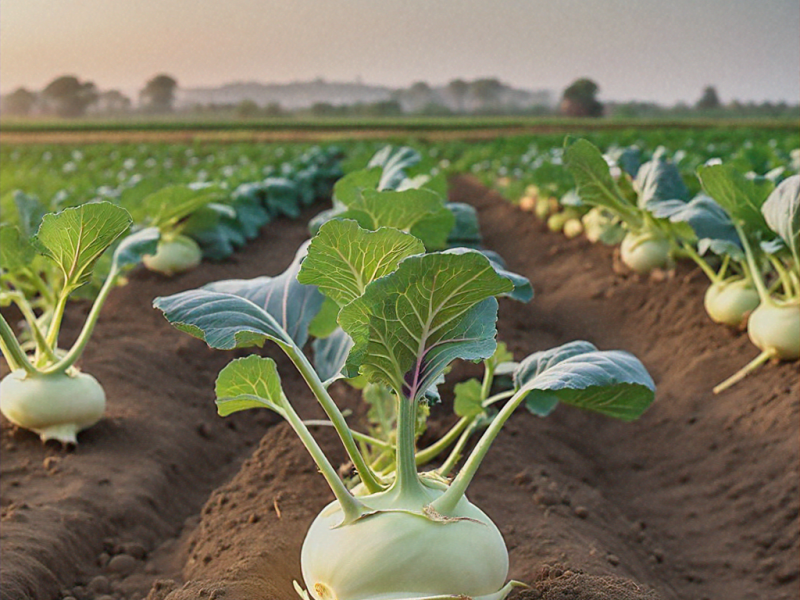
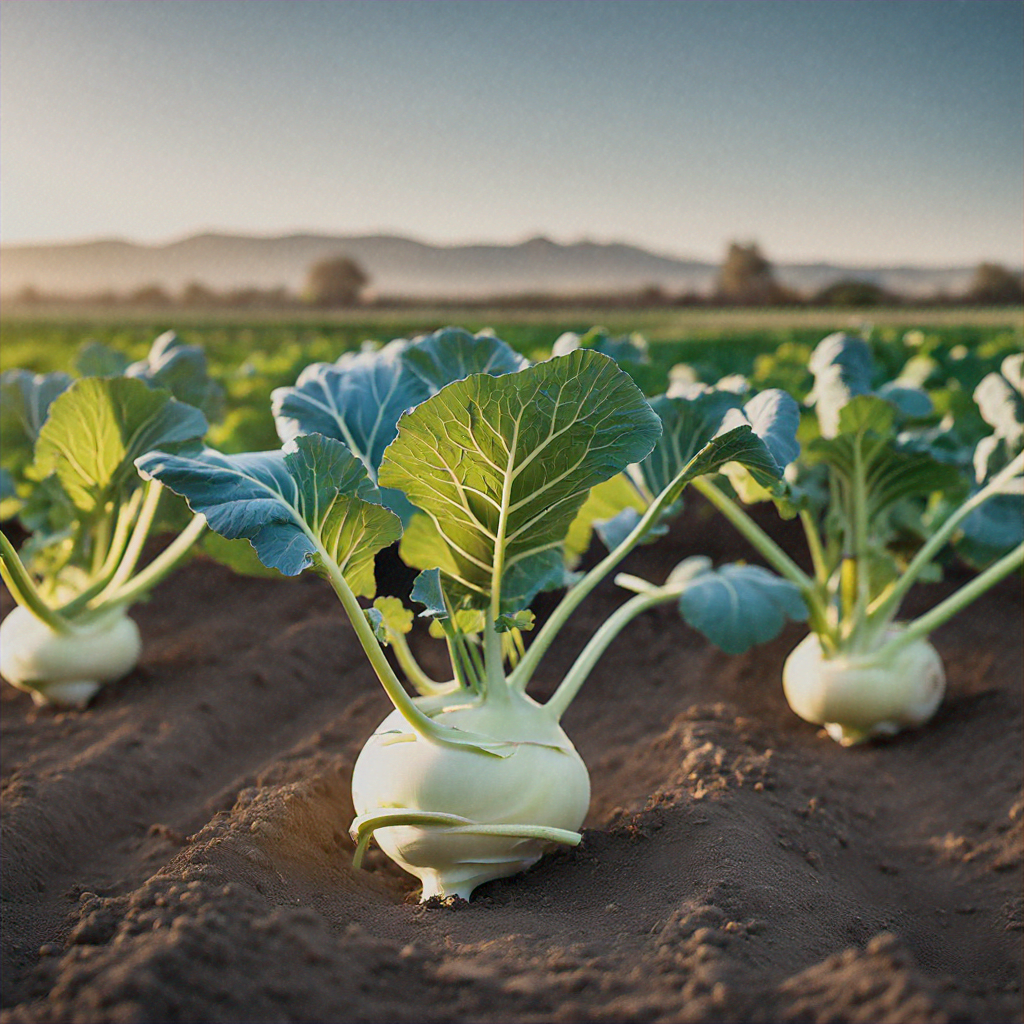
Kohlrabi, often referred to as the “German turnip,” is a unique vegetable that boasts a remarkable nutritional profile. Its bulbous stem, which resembles a turnip, is packed with essential vitamins, minerals, and dietary fiber. Kohlrabi is an excellent source of vitamin C, providing over 100% of the recommended daily intake in a single serving. It also contains significant amounts of vitamin B6, potassium, and magnesium, making it a versatile addition to a healthy diet.
Beyond its nutritional benefits, kohlrabi is also renowned for its versatility in the kitchen. The bulb can be enjoyed raw, in salads, or cooked in a variety of ways, including roasting, sautéing, or even pickling. Its mild, slightly sweet flavor and crunchy texture make it a popular choice among chefs and home cooks alike.
Preparing Your California Garden for Kohlrabi
To successfully grow kohlrabi in the unique climate of California, it’s essential to understand the specific requirements of this crop and how to adapt them to your local conditions. Here are the key steps to get your garden or farm ready for a thriving kohlrabi crop:
- Soil Preparation: Kohlrabi thrives in well-drained, fertile soil with a pH range of 6.0 to 7.5. Incorporate compost or well-rotted manure into your soil to improve its nutrient content and drainage.
- Site Selection: Choose a location that receives full sun, as kohlrabi requires at least 6 hours of direct sunlight per day. Avoid areas with heavy winds or excessive shade, as these can inhibit the plant’s growth.
- Planting Timing: In California, kohlrabi can be grown as a cool-season crop, with optimal planting times in the spring or fall. Aim to sow seeds or transplant seedlings when temperatures are between 50°F and 75°F.
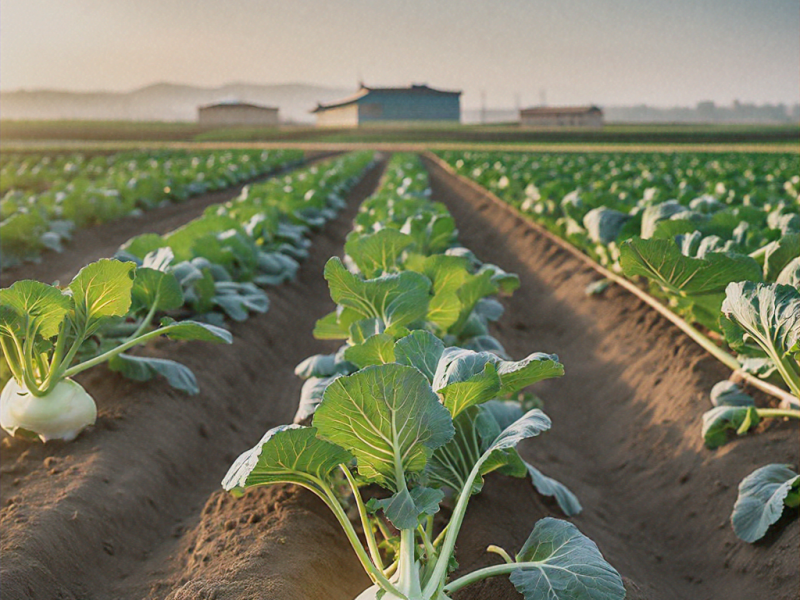
- Spacing and Depth: Space kohlrabi plants 8-12 inches apart in rows that are 24-36 inches apart. Sow seeds or transplant seedlings at a depth of 1/2 to 1 inch.
Nurturing Your Kohlrabi Crop
Once your kohlrabi plants are in the ground, it’s crucial to provide them with the necessary care and attention to ensure a bountiful harvest. Here are the key steps to nurturing your kohlrabi crop:
- Watering: Kohlrabi plants require consistent soil moisture, especially during the crucial bulb-forming stage. Water your crop regularly, aiming for 1-2 inches of water per week, either through rainfall or irrigation.
- Fertilization: Provide your kohlrabi plants with a balanced, nutrient-rich fertilizer at the time of planting and again mid-way through the growing season. This will help support the development of the bulb and promote overall plant health.
- Weed Control: Keep your kohlrabi beds free of weeds, which can compete for water and nutrients. Regularly hand-pull or hoe weeds, being careful not to disturb the kohlrabi roots.
- Pest and Disease Management: Monitor your kohlrabi plants for common pests, such as aphids, cabbage worms, and flea beetles. Employ organic pest control methods, such as companion planting or the use of beneficial insects, to maintain a healthy crop.
- Harvesting and Storage: Kohlrabi is ready to harvest when the bulb is 2-4 inches in diameter, typically 55-60 days after planting. Twist and pull the bulb from the ground, leaving the leaves intact. Store harvested kohlrabi in the refrigerator for up to 2 weeks.
Expanding Your Kohlrabi Horizons
As you master the art of growing kohlrabi in California, you may find yourself eager to explore the boundless possibilities this versatile crop offers. Consider the following strategies to further expand your kohlrabi horizons and contribute to the overall well-being of your community:
- Succession Planting: Maximize your kohlrabi harvest by implementing a succession planting strategy. Sow seeds or transplant seedlings every 2-3 weeks to ensure a continuous supply throughout the growing season.
- Crop Diversification: Incorporate kohlrabi into a diverse crop rotation, which can help improve soil health, reduce pest and disease pressure, and enhance the overall resilience of your agricultural system.
- Value-Added Products: Explore the creation of value-added products, such as kohlrabi slaw, pickles, or even kohlrabi chips. These products can not only extend the shelf life of your harvest but also provide additional revenue streams and increase accessibility to this nutritious vegetable.
- Community Engagement: Share your expertise and passion for growing kohlrabi by engaging with your local community. Participate in farmer’s markets, host workshops, or collaborate with schools and community organizations to educate others about the benefits of growing and consuming this remarkable crop.
As you embark on your kohlrabi growing journey in the vibrant state of California, remember that your efforts not only contribute to your personal harvest but also have the potential to impact the broader agricultural landscape and the well-being of your community. By mastering the art of kohlrabi cultivation, you are not only nourishing your family and neighbors but also promoting sustainable agricultural practices and contributing to the advancement of human welfare.