Kohlrabi Cultivation in Maharashtra: Intelligent Growth Guide – Varieties, Soil & Harvest
In the realm of agriculture, where the pursuit of sustainability and food security is paramount, the cultivation of kohlrabi in Maharashtra emerges as a shining example of intelligent and resourceful farming practices. This often overlooked member of the Brassica family holds immense potential in enhancing the overall well-being of both farmers and consumers alike. Through this comprehensive guide, we will delve into the nuances of kohlrabi cultivation, exploring the optimal varieties, soil requirements, and harvesting techniques to ensure a bountiful and thriving crop in the region.
Understanding Kohlrabi: A Versatile Vegetable
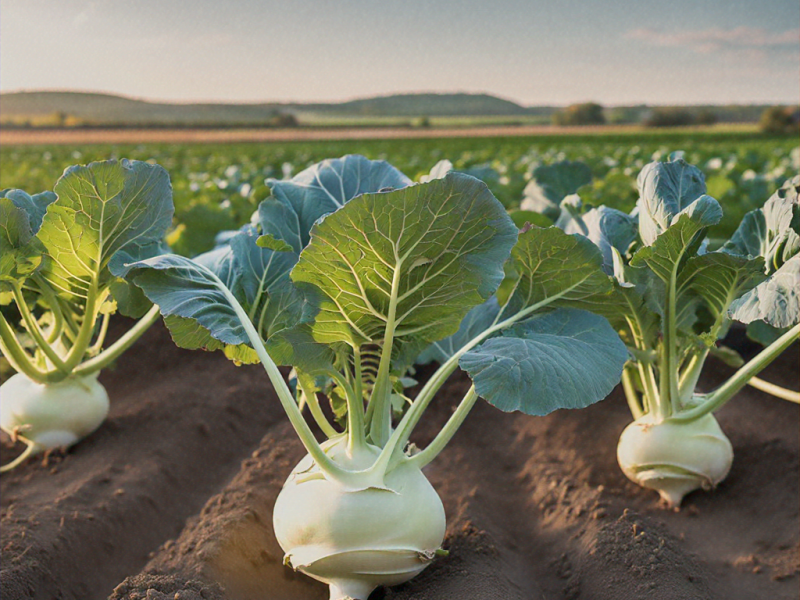
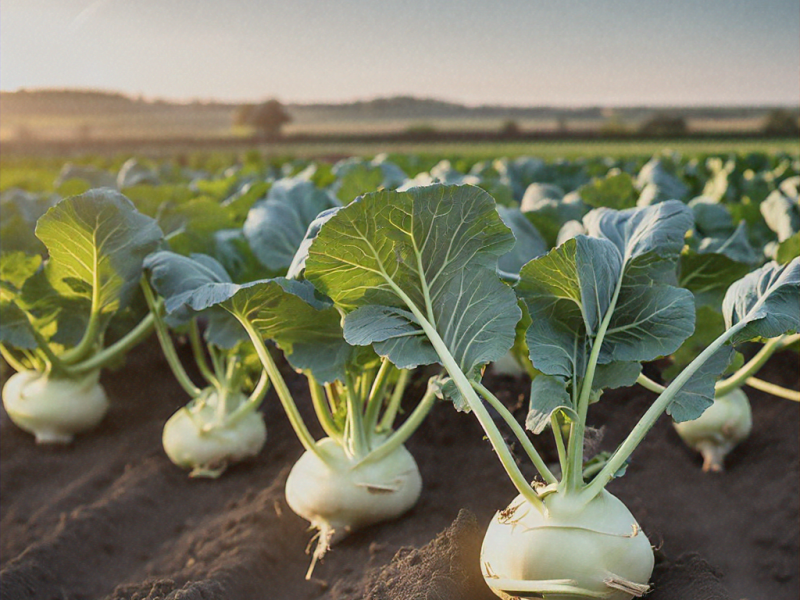
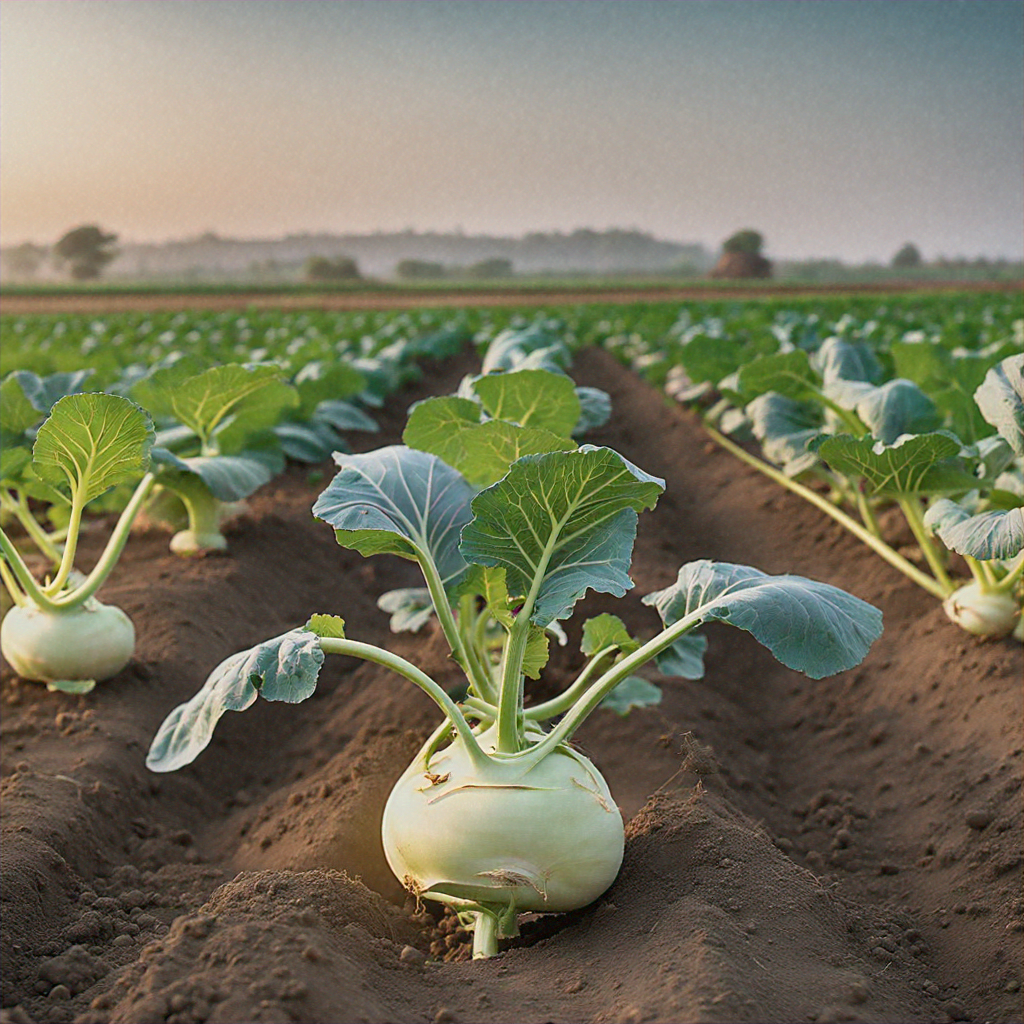
Kohlrabi, scientifically known as Brassica oleracea var. gongylodes, is a unique vegetable that boasts a combination of distinct flavors and remarkable nutritional properties. Often referred to as the “turnip-cabbage,” kohlrabi is renowned for its edible, swollen stem, which can be consumed both raw and cooked, offering a versatile culinary experience.
Beyond its gastronomic appeal, kohlrabi is a powerhouse of essential vitamins, minerals, and dietary fiber. Rich in vitamin C, vitamin B6, potassium, and copper, this vegetable has gained recognition for its ability to support immune system function, aid in digestion, and promote overall health and well-being.
Optimal Varieties for Maharashtra’s Climate
When it comes to cultivating kohlrabi in Maharashtra, the selection of the right variety is crucial for ensuring a successful and bountiful harvest. The region’s diverse climatic conditions, ranging from the coastal areas to the inland regions, call for a thoughtful approach to variety selection. Some of the most suitable kohlrabi varieties for Maharashtra include:
- Early White Vienna: A popular variety known for its rapid growth and early maturity, the Early White Vienna thrives in the mild temperatures and moderate rainfall of Maharashtra’s coastal regions.
- Purple Vienna: Boasting a striking purple hue, the Purple Vienna variety is well-suited for the inland areas of Maharashtra, where the climate is slightly cooler and drier.
- Gigante: As the name suggests, the Gigante variety is a larger kohlrabi with a milder flavor, making it an excellent choice for areas with more moderate temperatures and longer growing seasons.
- Superschmelz: This variety is prized for its exceptional sweetness and tender texture, making it a favorite among both farmers and consumers in Maharashtra.
When selecting the appropriate variety, it is essential to consider factors such as the local climate, soil conditions, and the intended use of the kohlrabi, whether for fresh consumption, storage, or processing.
Soil Preparation and Cultivation
The success of kohlrabi cultivation in Maharashtra is largely dependent on the proper preparation and management of the soil. Kohlrabi thrives in well-drained, fertile soils with a pH range of 6.0 to 7.5. To ensure optimal growth, farmers in Maharashtra should consider the following soil preparation and cultivation practices:
- Soil Preparation: Before planting, the soil should be thoroughly tilled and amended with organic matter, such as compost or well-rotted manure, to improve soil structure and nutrient content.
- Planting and Spacing: Kohlrabi can be grown from seeds or transplants. Depending on the variety, the recommended spacing between plants is typically 30-45 cm (12-18 inches) within rows and 45-60 cm (18-24 inches) between rows.
- Irrigation and Drainage: Kohlrabi requires consistent moisture throughout the growing season, with the soil remaining consistently moist but not waterlogged. Farmers in Maharashtra should implement efficient irrigation systems and ensure proper drainage to prevent waterlogging and root rot.
- Fertilization: Regular application of balanced fertilizers, such as a combination of nitrogen, phosphorus, and potassium, is essential for optimal kohlrabi growth and development. Farmers should follow recommended application rates and schedules based on soil test results and crop needs.
- Pest and Disease Management: Vigilance is key in monitoring and addressing any potential pest or disease issues that may arise, such as aphids, cabbage worms, or fungal diseases. Adopting integrated pest management (IPM) strategies can help maintain a healthy crop and minimize the use of harmful chemicals.
Harvesting and Post-Harvest Handling
Timing the harvest of kohlrabi is crucial to ensure optimal flavor, texture, and nutritional value. In Maharashtra, the typical harvesting period for kohlrabi ranges from 45 to 60 days after transplanting or 30 to 45 days after direct seeding, depending on the variety and growing conditions.
Farmers should look for kohlrabi bulbs that have reached a diameter of 5-10 cm (2-4 inches), with a firm, smooth, and blemish-free texture. To harvest, gently loosen the soil around the base of the plant and carefully pull or cut the bulb from the stem, leaving a small portion of the stem attached.
Post-harvest handling is equally important to ensure the longevity and quality of the harvested kohlrabi. Farmers should follow these best practices:
- Curing: Immediately after harvesting, the kohlrabi bulbs should be cured in a well-ventilated, shaded area for 1-2 hours to allow the skin to harden and the cut ends to heal.
- Cleaning and Trimming: Gently clean the kohlrabi bulbs to remove any excess soil or debris, and trim the leaves and stems, leaving approximately 2-3 cm (1 inch) attached to the bulb.
- Storage: Kohlrabi can be stored in a cool, humid environment (such as a refrigerator) for up to 2-3 weeks. Alternatively, the bulbs can be placed in perforated plastic bags or wrapped in damp paper towels to maintain freshness.
- Transportation and Marketing: When transporting kohlrabi to local markets or distribution centers, it is crucial to handle the bulbs with care and maintain the recommended storage conditions to preserve their quality and extend their shelf life.
The Socioeconomic Impact of Kohlrabi Cultivation
Beyond the technical aspects of cultivation, the growing of kohlrabi in Maharashtra has far-reaching socioeconomic implications. By embracing the cultivation of this versatile vegetable, farmers in the region can unlock a multitude of benefits, both for themselves and their communities.
Firstly, kohlrabi cultivation can provide a reliable and sustainable source of income for small-scale farmers, contributing to their overall financial stability and resilience. The versatility of kohlrabi, which can be consumed fresh, processed, or even exported, offers farmers diverse market opportunities, allowing them to diversify their revenue streams and mitigate the risks associated with reliance on a single crop.
Moreover, the nutritional value of kohlrabi makes it a valuable addition to the local food system, promoting improved nutrition and health outcomes for the community. By encouraging the cultivation and consumption of kohlrabi, farmers and policymakers in Maharashtra can contribute to enhancing food security and addressing issues of malnutrition, particularly in rural and underserved areas.</
Finally, the environmental benefits of kohlrabi cultivation cannot be overlooked. As a member of the Brassica family, kohlrabi is known for its ability to thrive in diverse soil conditions and its resilience to pests and diseases, reducing the reliance on synthetic chemical inputs. By adopting sustainable farming practices, kohlrabi growers in Maharashtra can play a crucial role in promoting ecological balance and preserving the region’s natural resources for future generations.
Conclusion: Embracing the Future of Kohlrabi in Maharashtra
The cultivation of kohlrabi in Maharashtra holds immense promise for enhancing the livelihoods of farmers, improving community well-being, and promoting sustainable agricultural practices. By understanding the optimal varieties, soil requirements, and harvesting techniques, farmers in the region can unlock the full potential of this versatile vegetable and contribute to the broader goals of food security, nutrition, and environmental stewardship.
As we look to the future, the widespread adoption of kohlrabi cultivation in Maharashtra can serve as a model for other regions, demonstrating the power of intelligent, evidence-based farming practices to drive positive change and ensure the long-term sustainability of our food systems. By embracing the opportunities presented by kohlrabi, the agricultural community in Maharashtra can pave the way for a more prosperous and equitable future, where the well-being of both people and the planet takes center stage.