How to Grow Kohlrabi in Uttar Pradesh: Intelligent Growth Guide – Complete How-To
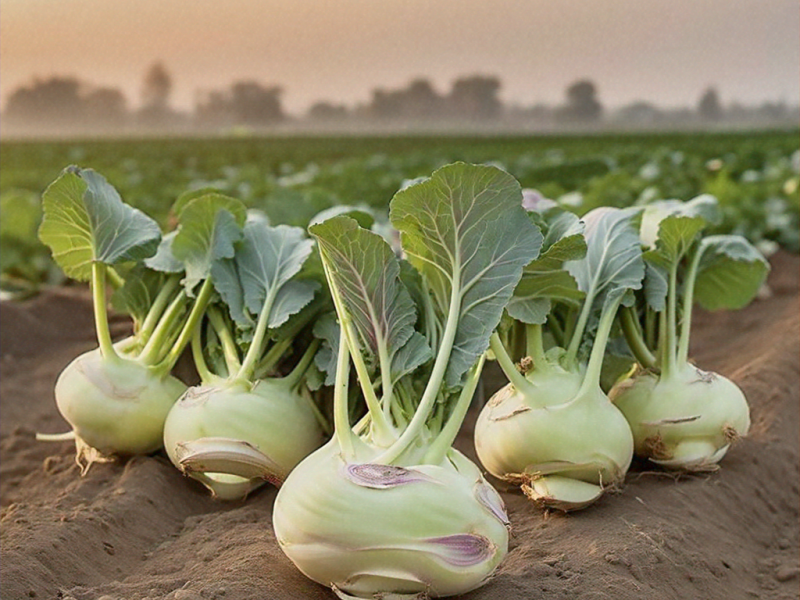
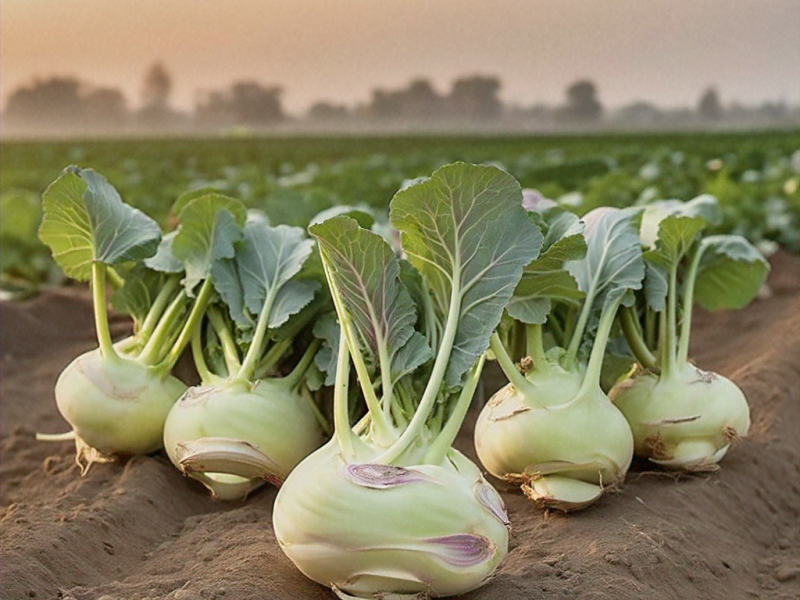
In the diverse agricultural landscape of Uttar Pradesh, the humble yet versatile kohlrabi stands as a promising crop for farmers and home gardeners alike. This member of the Brassica family, with its distinctive bulbous stem and delicate flavor, has the potential to not only enhance the nutritional value of local cuisine but also contribute to the overall well-being of the community.
As we delve into the intricacies of growing kohlrabi in Uttar Pradesh, we’ll explore the essential steps, considerations, and best practices to ensure a bountiful harvest that not only nourishes the body but also fosters resilience and self-reliance within the region.
Understanding the Climate and Soil Requirements
Uttar Pradesh, with its varied climate and diverse soil types, offers an ideal environment for cultivating kohlrabi. The crop thrives in cool, temperate conditions, with an average temperature range of 15°C to 25°C during the growing season. Kohlrabi is a cool-weather crop that can tolerate light frost, making it particularly well-suited for the northern regions of the state.
The soil preference for kohlrabi cultivation is well-drained, fertile, and nutrient-rich. Loamy soils with a slightly acidic to neutral pH (6.0 to 7.5) tend to yield the best results. It’s important to ensure the soil is free from compaction, as kohlrabi’s bulbous stem requires ample space to develop properly.
Selecting the Right Variety
When it comes to growing kohlrabi in Uttar Pradesh, the choice of variety can significantly impact the success of your crop. Some popular and well-suited varieties for the region include:
- Early White Vienna: A fast-maturing variety with a mild, sweet flavor and tender texture.
- Purple Vienna: A vibrant, purple-skinned kohlrabi with a crisp, juicy interior.
- Superschmelz: A large-sized variety known for its excellent storage qualities and resistance to bolting.
- Kossak: A jumbo-sized kohlrabi with a delicate, almost creamy texture and a sweet, nutty taste.
When selecting a variety, consider factors such as maturity time, disease resistance, and local market preferences to ensure a successful and profitable harvest.
Preparing the Soil and Planting
Proper soil preparation is crucial for establishing a thriving kohlrabi crop. Begin by loosening the soil to a depth of 8-10 inches, allowing for easy root penetration and nutrient absorption. Incorporate well-rotted organic matter, such as compost or well-aged manure, to enhance the soil’s fertility and water-holding capacity.
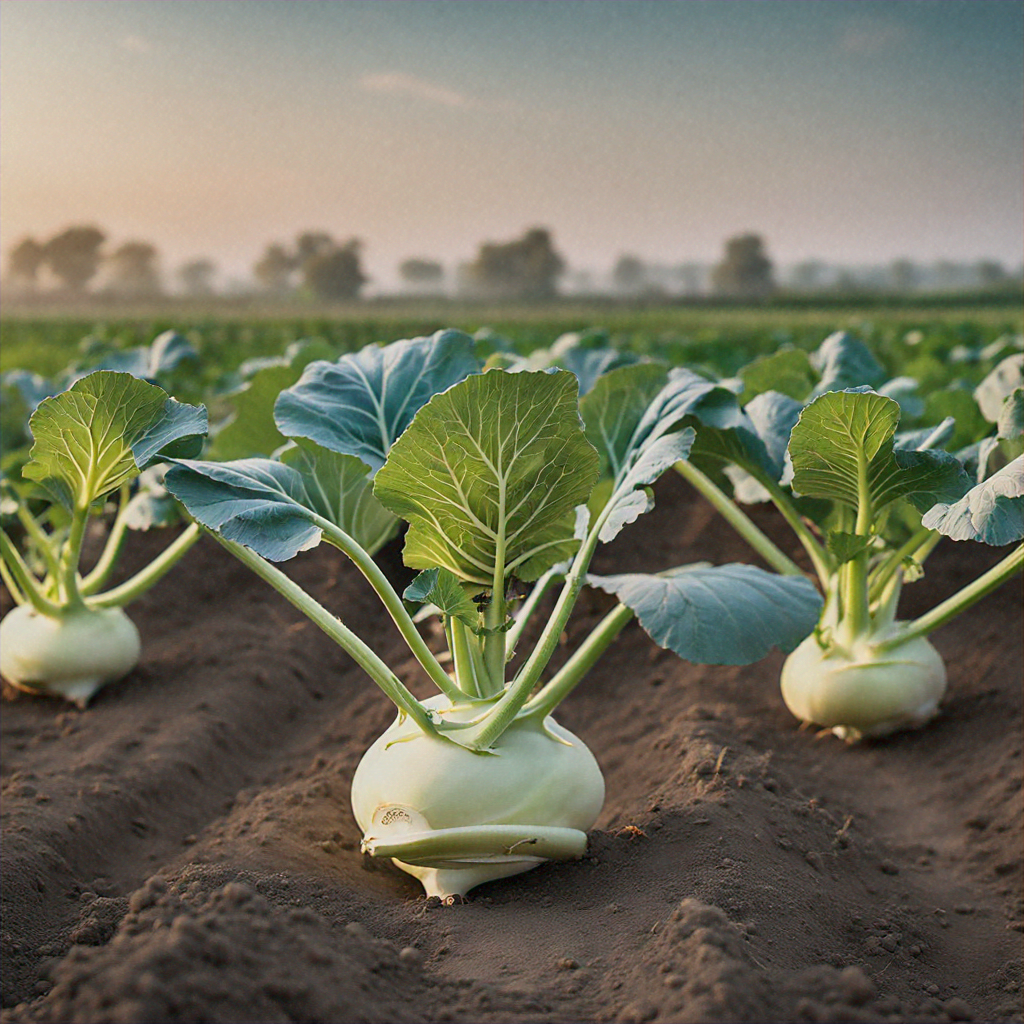
Kohlrabi can be grown from seeds or transplants. For direct seeding, sow the seeds about 1/2 inch deep and 12-18 inches apart in rows, with 18-24 inches between rows. If opting for transplants, ensure the seedlings are 4-6 weeks old and have developed a sturdy stem before planting them out in the field.
Time the planting to coincide with the ideal growing season, which in Uttar Pradesh is typically from September to November for a winter crop, and March to May for a summer crop. This will allow the plants to thrive in the cooler temperatures and avoid the harsh summer heat.
Irrigation and Fertilization
Consistent and adequate moisture is crucial for the successful growth of kohlrabi. Aim to maintain the soil consistently moist, but avoid waterlogging, as this can lead to root rot and other fungal diseases. Drip irrigation or carefully timed manual watering can help ensure the plants receive the right amount of hydration.
Fertilization is another important aspect of kohlrabi cultivation. Incorporate a balanced, slow-release fertilizer rich in nitrogen, phosphorus, and potassium during the initial soil preparation. As the plants grow, supplement with a side dressing of nitrogen-based fertilizer or organic matter to maintain optimal nutrient levels.
Weed Management and Pest Control
Keeping the kohlrabi patch free from weeds is crucial, as they can compete for essential nutrients and water, stunting the growth of your crop. Employ a combination of manual weeding, mulching, and targeted herbicide application (if necessary) to maintain a weed-free environment.
Pest management is also a vital consideration when growing kohlrabi in Uttar Pradesh. Common pests that may threaten your crop include aphids, cabbage worms, and flea beetles. Adopt an integrated pest management (IPM) approach, which may involve the use of organic pesticides, companion planting, and the introduction of beneficial insects to maintain a balanced ecosystem.
Harvesting and Storage
The optimal time to harvest kohlrabi is when the bulb has reached the desired size, typically 2-4 inches in diameter. This usually occurs 45-60 days after transplanting or 55-70 days after direct seeding, depending on the variety and growing conditions.
To harvest, simply grasp the bulb at the base and gently twist and pull it from the soil. Avoid pulling on the leaves, as this can damage the stem. Trim the leaves and roots, leaving a small portion of the stem attached to the bulb.
For optimal storage, kohlrabi can be kept in the refrigerator for up to 2-3 weeks or in a cool, dark place for several months. Ensure the bulbs are dry and free from any damage or blemishes before storing them.
Culinary Versatility and Health Benefits
Kohlrabi is a highly versatile vegetable that can be prepared in a variety of ways. The bulb can be eaten raw, sliced and added to salads, or cooked by steaming, boiling, or roasting. The leaves can also be consumed, providing an additional source of nutrition.
In terms of health benefits, kohlrabi is a nutritional powerhouse. It is rich in vitamins C and K, as well as minerals such as potassium, copper, and manganese. Additionally, kohlrabi contains glucosinolates, which have been linked to potential cancer-fighting properties.
By incorporating kohlrabi into the local cuisine, the people of Uttar Pradesh can not only diversify their culinary options but also contribute to their overall well-being. The cultivation and consumption of this nutrient-dense vegetable can play a vital role in enhancing food security, promoting sustainable agriculture, and improving the health and livelihoods of the community.
Conclusion
Growing kohlrabi in Uttar Pradesh presents an exciting opportunity for farmers and home gardeners to contribute to the region’s agricultural diversity and human welfare. By understanding the specific climate and soil requirements, selecting the right varieties, and implementing best practices in cultivation, irrigation, and pest management, you can ensure a bountiful and sustainable kohlrabi harvest.
As you embark on your kohlrabi-growing journey, remember that this versatile vegetable not only nourishes the body but also has the potential to strengthen the local food system, enhance food security, and promote overall community well-being. Embrace the challenge, hone your gardening skills, and reap the rewards of a thriving kohlrabi crop that celebrates the richness of Uttar Pradesh’s agricultural heritage.