Growing Kohlrabi – Intelligent Growth Guide for Netherlands: Complete Guide & Best Practices
In the Netherlands, where the climate is temperate and the soil is fertile, kohlrabi has become a beloved vegetable in home gardens and farms alike. This versatile and nutrient-dense member of the cabbage family offers a unique texture and flavor that can be enjoyed in a variety of dishes. Whether you’re a seasoned gardener or a novice, this comprehensive guide will provide you with the knowledge and best practices to successfully grow kohlrabi in the Netherlands.
Understanding Kohlrabi
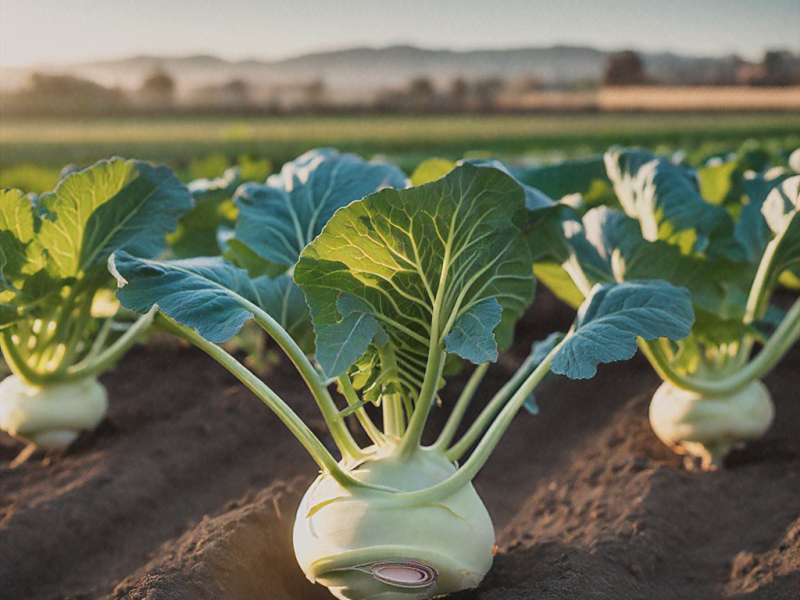
Kohlrabi, scientifically known as Brassica oleracea var. gongylodes, is a vegetable that is closely related to cabbage, broccoli, and cauliflower. It is characterized by its distinctive, bulbous stem that grows above the ground, which is the part of the plant that is typically consumed. Kohlrabi can be found in a variety of colors, including purple, green, and white, and each variety offers a slightly different flavor profile.
Kohlrabi is a cool-weather crop that thrives in the temperate climate of the Netherlands. It is a relatively easy-to-grow vegetable that can be sown directly into the garden or started indoors and transplanted. Kohlrabi is known for its high nutrient content, including vitamins C, K, and B6, as well as minerals like potassium, copper, and manganese. Additionally, it is a good source of dietary fiber, making it a healthy and versatile addition to any meal.
Site Selection and Soil Preparation
To successfully grow kohlrabi in the Netherlands, it’s important to choose a suitable planting site and prepare the soil correctly. Kohlrabi thrives in well-drained, nutrient-rich soil with a pH between 6.0 and 7.5. Choose a location that receives full sun, as kohlrabi requires at least six hours of direct sunlight per day.
Before planting, it’s important to prepare the soil by adding organic matter, such as compost or well-rotted manure. This will improve the soil’s structure and fertility, providing the necessary nutrients for the kohlrabi to grow healthy and strong. Additionally, you can incorporate a balanced fertilizer into the soil to ensure optimal nutrient availability.
Sowing and Planting
Kohlrabi can be sown directly into the garden or started indoors and transplanted. For direct sowing, plant the seeds about 1/2 inch deep and 12 to 18 inches apart in rows that are spaced 24 to 36 inches apart. Thin the seedlings to a spacing of 6 to 8 inches once they have germinated and developed their first set of true leaves.
If starting kohlrabi indoors, sow the seeds in seed trays or small containers filled with a high-quality seed starting mix. Sow the seeds about 1/4 inch deep and keep the soil consistently moist. Once the seedlings have developed their first set of true leaves, transplant them into the garden, spacing them about 6 to 8 inches apart in rows that are 24 to 36 inches apart.
Kohlrabi can be sown as early as 4 to 6 weeks before the last expected frost date in the spring, and succession plantings can be made every 2 to 3 weeks for a continuous harvest throughout the growing season.
Caring for Kohlrabi
Proper care and maintenance are essential for the healthy growth and development of kohlrabi in the Netherlands. Here are some best practices to follow:
- Watering: Kohlrabi requires consistent and even moisture throughout the growing season. Water the plants regularly, about 1 to 2 inches per week, and adjust watering as needed during periods of drought or heavy rainfall.
- Mulching: Apply a 2 to 4-inch layer of organic mulch, such as straw or shredded leaves, around the base of the plants. This will help retain soil moisture, suppress weed growth, and maintain an even soil temperature.
- Fertilizing: Kohlrabi is a heavy feeder and benefits from regular fertilization. Apply a balanced, slow-release fertilizer or compost tea every 4 to 6 weeks to ensure the plants have access to the necessary nutrients for optimal growth.
- Weeding: Keep the garden bed free of weeds, as they can compete with the kohlrabi for resources and stunt their growth. Regularly hand-pull or hoe weeds to maintain a clean and tidy growing environment.
- Pest and Disease Management: Kohlrabi is susceptible to pests such as aphids, cabbage worms, and flea beetles, as well as diseases like clubroot and black rot. Regularly inspect your plants and take appropriate organic or natural measures to address any issues that arise.
Harvesting and Storage
Kohlrabi is typically ready for harvest when the stem, or “bulb,” reaches 2 to 4 inches in diameter, usually 50 to 60 days after sowing. To harvest, simply cut the stem at the soil line, leaving the leaves attached. Twist and pull the bulb from the ground, ensuring that you don’t damage the roots.
For optimal quality and flavor, it’s best to harvest kohlrabi when the bulbs are young and tender. Older bulbs can become woody and fibrous. Once harvested, the kohlrabi can be stored in the refrigerator for up to 2 weeks, or in a cool, dry place for up to 4 weeks.
When preparing kohlrabi for consumption, the leaves and stems can be used as well. The leaves can be cooked like other greens, while the stems can be peeled and sliced or grated and added to salads or stir-fries.
Culinary Uses and Recipes
Kohlrabi is a versatile vegetable that can be enjoyed in a variety of ways. Here are some delicious ways to incorporate kohlrabi into your meals:
- Raw: Kohlrabi can be eaten raw, thinly sliced or grated, and added to salads, slaws, or served with dips and spreads.
- Roasted: Peel and cut kohlrabi into wedges or cubes, toss with olive oil, salt, and pepper, and roast in the oven until tender and lightly browned.
- Sautéed: Slice or grate kohlrabi and sauté it in a pan with butter or oil, garlic, and your choice of herbs and seasonings.
- Steamed: Peel and cut kohlrabi into bite-sized pieces, then steam until tender and serve with a drizzle of butter or a sprinkle of lemon juice.
- Soup: Add diced kohlrabi to vegetable or chicken soups for a flavorful and nutritious addition.
- Baked: Grate or thinly slice kohlrabi and use it in place of potatoes in gratin dishes or casseroles.
With its unique flavor and versatility, kohlrabi is a wonderful vegetable to incorporate into your culinary repertoire. Whether you enjoy it raw, cooked, or in a variety of dishes, this nutrient-dense crop is sure to become a staple in your Netherlands garden and kitchen.