Kohlrabi Cultivation in Brazil: Intelligent Growth Guide – Varieties, Soil & Harvest
In the ever-evolving landscape of global agriculture, the humble kohlrabi has emerged as a resilient and versatile crop, captivating the interest of farmers and culinary enthusiasts alike. As the demand for nutrient-dense, locally-sourced produce continues to rise, the cultivation of kohlrabi in Brazil has become an increasingly important focus for the country’s agricultural sector. This comprehensive guide delves into the intricacies of kohlrabi cultivation, exploring the various varieties, soil requirements, and harvesting techniques that can ensure a bountiful and sustainable yield.
Unveiling the Kohlrabi Varieties
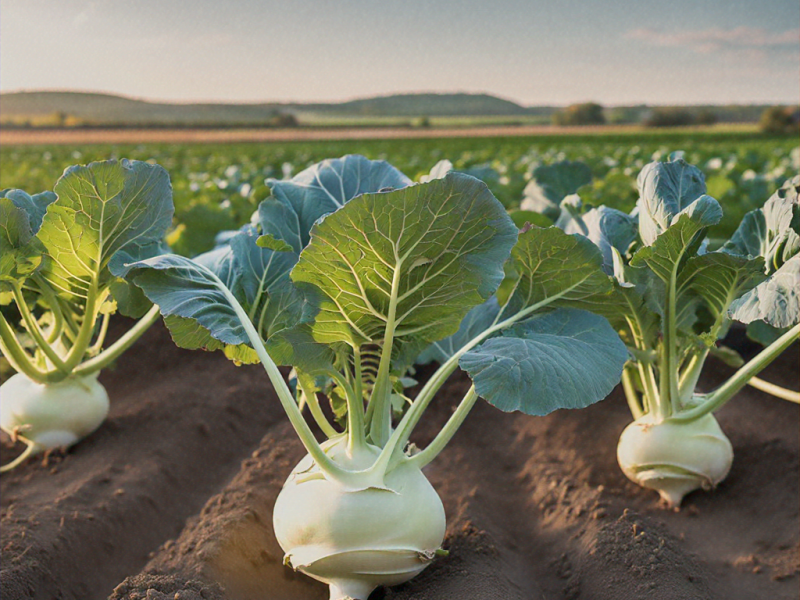
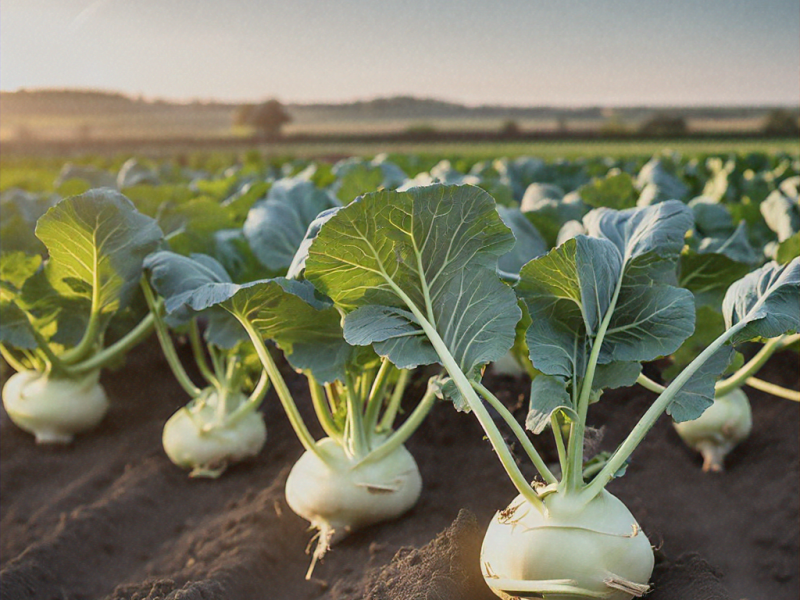
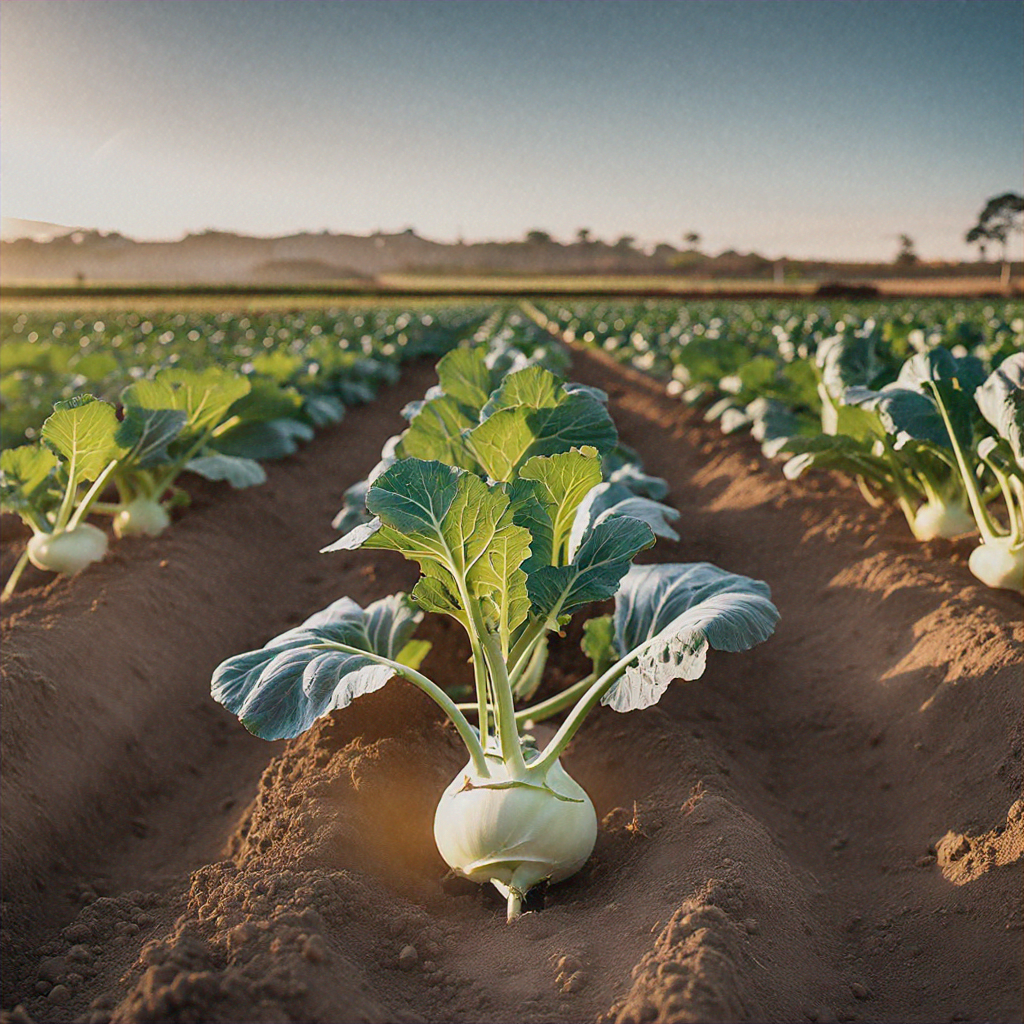
Kohlrabi, a member of the Brassica family, is known for its distinctive bulbous stem and delicate flavor profile. In Brazil, several kohlrabi varieties have been adapted to thrive in the country’s diverse climatic conditions, each offering unique characteristics and culinary applications.
- Early White Vienna: This classic variety is characterized by its pale green to white skin and tender, sweet flesh. It matures quickly, making it a popular choice for short-season growing regions.
- Purple Vienna: Boasting a striking purple hue, this variety adds a vibrant touch to salads, slaws, and roasted dishes. The flesh remains crisp and flavorful, even as the plant matures.
- Superschmeltz: A hybrid variety that combines the best traits of its predecessors, Superschmeltz offers a smooth texture, subtle sweetness, and an extended growing season, making it a versatile option for Brazilian farmers.
- Korridor: Renowned for its exceptional cold tolerance, the Korridor variety thrives in the cooler regions of Brazil, enabling year-round production in suitable microclimates.
Nurturing the Soil: Kohlrabi’s Preferred Growing Conditions
Kohlrabi’s success in Brazilian cultivation is closely tied to the quality and composition of the soil. Understanding the specific requirements of this crop can help farmers establish thriving plantings and maximize their yields.
Kohlrabi prefers well-drained, fertile soils with a slightly acidic to neutral pH range (between 6.0 and 7.0). The soil should be rich in organic matter, as this helps to retain moisture and provide essential nutrients for the plant’s growth. In regions with heavy clay soils, incorporating compost or other organic amendments can improve drainage and aeration, creating the ideal growing environment.
Crop rotation is another crucial consideration in kohlrabi cultivation. By alternating kohlrabi with other Brassica crops, such as cabbage or broccoli, farmers can help to break the cycle of soil-borne pathogens and pests, ensuring the long-term health and productivity of their fields.
Planting and Cultivation Techniques
Successful kohlrabi cultivation in Brazil involves a carefully orchestrated sequence of planting, tending, and harvesting. Here’s a step-by-step guide to ensure optimal growth and yield:
- Timing and Sowing: Kohlrabi can be grown year-round in many regions of Brazil, with the optimal planting times varying based on local climate. In the cooler southern regions, sowing can begin as early as August, while in the warmer northern areas, planting may be best suited for the drier months of April to June.
- Seed Preparation and Transplanting: Kohlrabi seeds can be started indoors or directly sown in the field, depending on the preferred growing method. When transplanting seedlings, ensure that the root systems are not disturbed, and plant them at the same depth as they were growing in the seed trays.
- Spacing and Watering: Kohlrabi plants require ample spacing, with recommended row and in-row spacing ranging from 30 to 45 cm. Consistent, moderate watering is essential, especially during the critical growth stages, to prevent the plants from becoming stressed and affecting bulb development.
- Fertilization and Weed Control: Regular applications of a balanced, nutrient-rich fertilizer, such as a 10-10-10 or 12-12-12 formula, can support the plant’s growth and bulb formation. Maintaining a weed-free environment through manual or mechanical removal is also crucial to minimize competition for resources.
Pest and Disease Management
Like any crop, kohlrabi is susceptible to a range of pests and diseases, which can impact both yield and quality. Proactive monitoring and integrated pest management (IPM) strategies are essential for Brazilian farmers to maintain healthy, thriving kohlrabi plantings.
Common pests that may affect kohlrabi crops include aphids, cabbage worms, and flea beetles. These can be managed through the use of organic pesticides, beneficial insects, or by removing affected plant parts. Disease threats, such as club root, black rot, and alternaria leaf spot, can be mitigated by practicing crop rotation, ensuring proper drainage, and using disease-resistant varieties.
By adopting a holistic approach to pest and disease management, Brazilian farmers can minimize the risks to their kohlrabi crops and ensure a bountiful, high-quality harvest.
Harvesting and Post-Harvest Handling
Timing is crucial when it comes to harvesting kohlrabi, as the bulbs can become woody and lose their desirable texture if left in the ground for too long. The optimal harvest window typically occurs when the bulbs are 5 to 8 cm in diameter, roughly 50 to 60 days after transplanting or 30 to 40 days after direct sowing.
To harvest, simply grasp the base of the plant and gently pull the kohlrabi bulb from the soil. Careful handling is essential to avoid damaging the delicate skin and flesh. After harvesting, the leaves and stems can be removed, leaving a few inches of the stem attached to the bulb.
Post-harvest handling of kohlrabi is equally important to maintain quality and extend shelf life. The harvested bulbs should be promptly cooled to remove field heat, either through refrigeration or by submerging in ice water. Proper storage in a cool, humid environment (around 0°C and 95% relative humidity) can help preserve the kohlrabi’s crispness and flavor for up to two weeks.
Culinary Versatility and Market Opportunities
The growing popularity of kohlrabi in Brazil extends far beyond its horticultural merits. This versatile vegetable has captured the attention of chefs, home cooks, and health-conscious consumers alike, thanks to its unique flavor profile and nutritional benefits.
Kohlrabi can be enjoyed raw in salads and slaws, adding a delightful crunch and subtle sweetness to dishes. It can also be roasted, steamed, or sautéed, lending itself well to a variety of culinary preparations. The leaves and stems of the plant are also edible, making kohlrabi a true “nose-to-tail” vegetable that minimizes food waste.
As the demand for locally-sourced, nutrient-dense produce continues to rise in Brazil, kohlrabi presents a compelling opportunity for farmers. By capitalizing on the growing consumer interest and diversifying their crop portfolio, Brazilian agriculturalists can position themselves at the forefront of the sustainable food movement, while also ensuring the long-term viability and resilience of their farming operations.
Conclusion
Kohlrabi cultivation in Brazil is a thriving and multifaceted endeavor, offering farmers the chance to diversify their crop portfolios, meet the evolving demands of consumers, and contribute to the overall sustainability of the country’s agricultural landscape. By understanding the nuances of kohlrabi varieties, soil requirements, and cultivation techniques, Brazilian farmers can unlock the full potential of this versatile and nutrient-dense vegetable.
As the global focus on food security and environmental stewardship continues to intensify, the cultivation of kohlrabi in Brazil stands as a shining example of how innovative and intelligent agricultural practices can foster a more resilient and nourishing food system. By embracing the opportunities presented by kohlrabi, Brazilian farmers can not only enhance their own livelihoods but also positively impact the well-being of their communities and the wider world.